
Tools
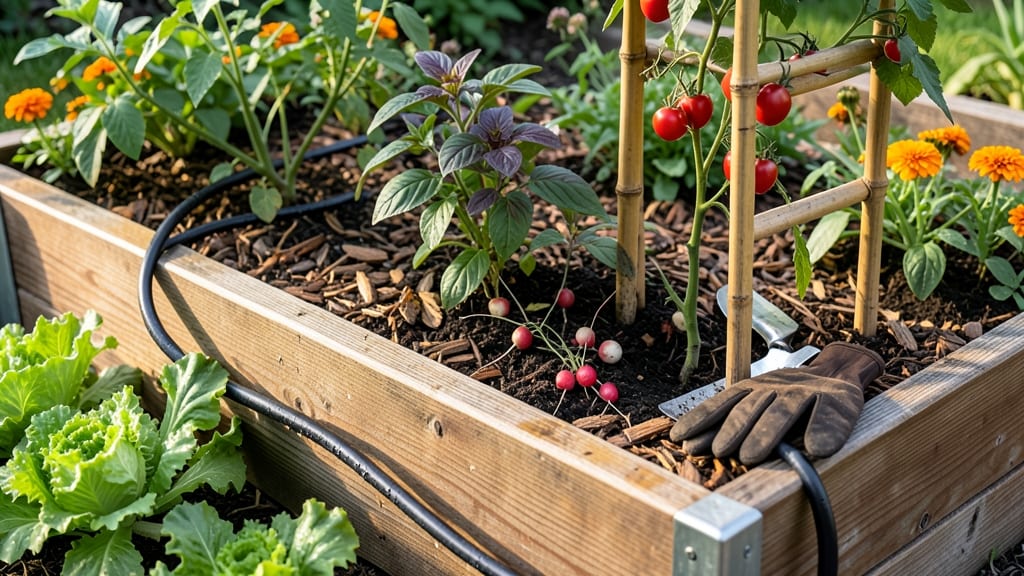
Creative outdoor raised garden bed ideas can turn even the smallest patio or balcony into a lush, high-yield growing space with minimal effort.
Picture this: a 6-inch-tall bed packed with tomatoes, peppers, and herbs, all thriving in a corner that once held a rickety chair. The secret? Clever layouts and smart material choices that work for any skill level.
Whether you’re working with wood, stone, or metal, these designs focus on two things: maximizing space and making gardening easier on your back. No more bending over or battling soil compaction—just layers of rich, well-draining soil where every inch grows something delicious.
Below, I’ll walk you through 10 space-saving designs, from vertical tiers to corner beds, plus the best crops to pair together for a bumper harvest—no matter how tight your yard is.
10 Space-saving raised garden bed designs for small yards
Small spaces shouldn’t mean small harvests! With the right raised garden bed design, you can grow more in less area. These innovative layouts maximize vertical space, utilize corners, and use modular systems to triple your growing capacity without expanding your footprint.
Whether you have a balcony, patio, or tiny backyard, these designs prove that big yields are possible in small areas.
From vertical tiered beds to corner pocket gardens, each design offers unique benefits. You’ll learn about ideal dimensions, material options like cedar, metal, or composite lumber, and which crops thrive in each setup. Let’s explore how to transform your limited space into a productive garden oasis!
My favorite space-saving design is the vertical tiered box, which fits perfectly in a corner and lets me grow three times more herbs and greens than a traditional flat bed.
The stacked layers create microclimates, allowing me to grow heat-loving basil alongside cool-season lettuce. Plus, the cedar wood resists rot and lasts for years with minimal maintenance.
For urban balconies, I recommend window box planters or hanging pocket planters. These designs utilize every inch of available space while keeping your garden accessible. Window boxes are ideal for cherry tomatoes and herbs, while hanging pockets work well for quick-growing radishes and microgreens. Both options can be moved to follow the sun throughout
How to choose the best materials and location for your raised bed
Selecting the right materials and location for your raised bed is just as important as choosing what to plant. The wrong choices can lead to rot, poor drainage, or stunted plant growth—so let’s break down the best options to ensure your garden thrives from day one.
Whether you’re working with a small balcony or a backyard corner, these tips will help you make smart decisions.
Your raised bed’s materials determine its lifespan, maintenance needs, and even how well it retains moisture. Common options include untreated wood like cedar or redwood, which resist rot naturally, or composite lumber that blends wood fibers with recycled plastics.
Each has trade-offs, so let’s weigh your choices before committing to a build or purchase.
Raised Bed Material Comparison
Cedar
- Pros: Naturally rot-resistant, affordable, easy to work with
- Cons: Requires sealing every 2-3 years, not fully weatherproof
Redwood
- Pros: Highly durable, naturally resistant to insects, long-lasting
- Cons: Expensive, limited availability in some regions
Composite Lumber
- Pros: No sealing needed, weatherproof, low maintenance
- Cons: Higher upfront cost, can get hot in sun, less eco-friendly
Beyond materials, your raised bed’s location impacts plant health dramatically. Aim for a spot with at least 6 hours of sunlight daily—most vegetables and herbs need this for optimal growth. Avoid low-lying areas where water pools, as poor drainage can lead to root rot.
If your yard is shady, opt for leafy greens like kale or spinach, which tolerate partial shade better than sun-loving tomatoes or peppers.
Accessibility is another key factor. Place your raised bed where you’ll actually use it—near your kitchen for fresh herbs or along a walking path for easy maintenance. For urban gardeners, consider portable beds on wheels or stackable designs to maximize flexibility.
If space is tight, a vertical raised bed can double your growing area without expanding your footprint.
Cost is often a deciding factor, too. A DIY cedar bed might cost $100-$200 for materials, while pre-built composite beds can run $300-$600. Factor in long-term savings: untreated wood may need replacing in 5-7 years, while composite lasts 10+ years with minimal upkeep.
For budget-friendly options, repurpose materials like cinder blocks or bricks, though they require extra drainage planning.
Finally, think about soil quality and amendments. Raised beds let you customize the growing medium, so mix in compost, perlite, and organic matter to create the perfect blend. Test your soil’s pH—most vegetables prefer a neutral 6.0-7.0 range—and adjust with lime or sulfur as needed.
With the right materials and location, your raised bed will be a productive powerhouse for years to come.
🌱