
Tools
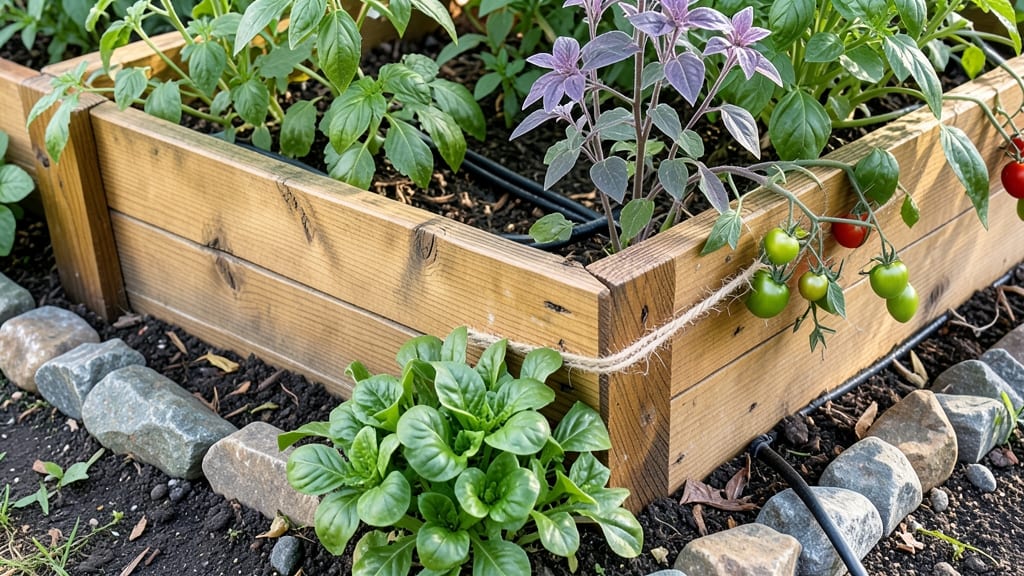
An 8x8 raised garden is the ultimate small-space solution for growing a surprising amount of food in just 64 square feet—no yard required.
Picture this: a backyard patio, a balcony, or even a driveway transformed into a high-yield garden that feeds a family while saving your back from stooping over the soil. The key isn’t just the size—it’s the smart layout that turns tight spaces into productivity powerhouses.
From choosing the right materials (cedar vs. composite) to arranging crops for maximum yield, this guide covers everything you need to design an 8x8 raised garden that works for your space, budget, and gardening goals.
You’ll learn how to fit in two seasons’ worth of harvests, avoid common mistakes that waste space, and even add vertical growing to stretch your garden’s potential—all without sacrificing beauty or accessibility.
How to design an 8x8 raised garden for maximum productivity
An 8x8 raised garden is a game-changer for small spaces, offering 64 square feet of prime real estate for growing. With the right design, you can fit 20+ plants while maximizing sunlight, airflow, and harvest potential.
Start by positioning your bed along the longest side of your yard to capture 6+ hours of sunlight—this is critical for high-yield crops like tomatoes and peppers.
Before building, choose materials wisely. Cedar resists rot but costs more, while composite lumber lasts longer but may lack the natural aesthetic. Aim for 2-3 feet deep to accommodate root crops like carrots and potatoes.
Add landscape fabric at the bottom to block weeds and improve drainage, especially if your soil is clay-heavy.
| Design Element | Recommendation | Why It Matters |
|---|---|---|
| Bed Orientation | North-South alignment | Maximizes sunlight exposure for all plants |
| Soil Depth | 18-24 inches | Accommodates root crops and improves drainage |
| Material Choice | Cedar or composite | Balances durability and cost for longevity |
| Drainage Layer | Gravel or landscape fabric | Prevents waterlogging and root rot |
| Companion Planting | Basil + tomatoes, carrots + onions | Boosts yields and deters pests naturally |
| Seasonal Rotation | Swap heavy feeders (tomatoes) with legumes (beans) | Prevents soil depletion and disease buildup |
Divide your 8x8 raised garden into four 4x4 sections for easy rotation. Use square foot gardening to map out plant spacing—each plant gets its own square foot, but taller crops like corn or sunflowers can share space vertically.
For example, bush beans thrive in 1 square foot, while lettuce can fit 16 plants in the same space.
Incorporate companion planting to save space and improve health. Pair basil with tomatoes to repel pests, or plant carrots with onions to deter carrot flies. Avoid planting potatoes near tomatoes—they’re both nightshades and share diseases.
Use vertical supports for cucumbers or pole beans to free up ground space for other crops.
Plan for seasonal rotation to maintain soil health. Heavy feeders like tomatoes and peppers should follow light feeders like lettuce or radishes. After harvest, add compost or aged manure to replenish nutrients. For fall and winter, consider cover crops like clover to protect soil and prevent erosion.
Don’t forget accessibility—place your raised bed near a water source and walkway to avoid trampling plants. Add raised edges if needed to prevent soil spillage. For small-space efficiency, consider a two-tier design with a shallow top layer for herbs and a deeper bottom layer for root crops.
Test your soil before planting—aim for a pH of 6.0-7.0. Amend with compost and organic matter to improve fertility. Use mulch (straw or shredded leaves) to retain moisture and suppress weeds. Water deeply once a week (or daily in heatwaves) to encourage deep root growth.
Finally, label your plants to track varieties and harvest times. Use stakes or markers for taller crops. With this design, your 8x8 raised garden will produce 2-3 times more than a traditional in-ground bed—all while keeping weeds and pests at bay!
🌱
Best crops for an 8x8 raised garden: high-yield layouts by season
An 8x8 raised garden can be a year-round production machine when you strategically pair crops by season. In spring, fast-growing leafy greens and radishes share space beautifully, while summer thrives with tomatoes and basil climbing trellises.
Fall brings hearty squash and kale that tolerate cooler temps. The secret? Intercropping and vertical growing to maximize every square inch.
Start with spring crops like bush beans and lettuce, which mature quickly and leave room for summer successors. Use cucumber trellises to free up ground space for shallow-rooted herbs like thyme or oregano.
In fall, swap out spent summer plants for cold-hardy greens and root vegetables that store well. This rotation keeps your garden productive without overcrowding.
For spring planting, pair lettuce with carrots—the carrots' deep roots won’t compete with the shallow lettuce leaves. Add radishes every 2 weeks for quick harvests, and they’ll signal when it’s time to thin the lettuce.
In summer, pole beans climbing a trellis save space while fixing nitrogen for peppers planted below. Always rotate crops yearly to prevent soil depletion.
Fall is prime time for storage crops like potatoes and beets. Plant them near fast-finishing arugula to maximize bed use. Use row covers to extend the season by 2-3 weeks.
Even in winter, garlic and hardy kale thrive with minimal care. These cold-tolerant crops reward you with harvests when most gardens are dormant.
Don’t forget vertical gardening! Train cucumbers or squash up a trellis to free up 75% of their ground footprint. Hang strawberry pots from the sides of your raised bed for extra berries without sacrificing space.
With these space-saving tricks, your 8x8 raised garden will outproduce larger in-ground beds every season.
Pro tip: Keep a planting calendar to track succession crops. For example, after harvesting early spring peas, replant with bush beans for a mid-summer harvest. This continuous planting strategy ensures your garden is always productive—no wasted space or time!