
Flowers
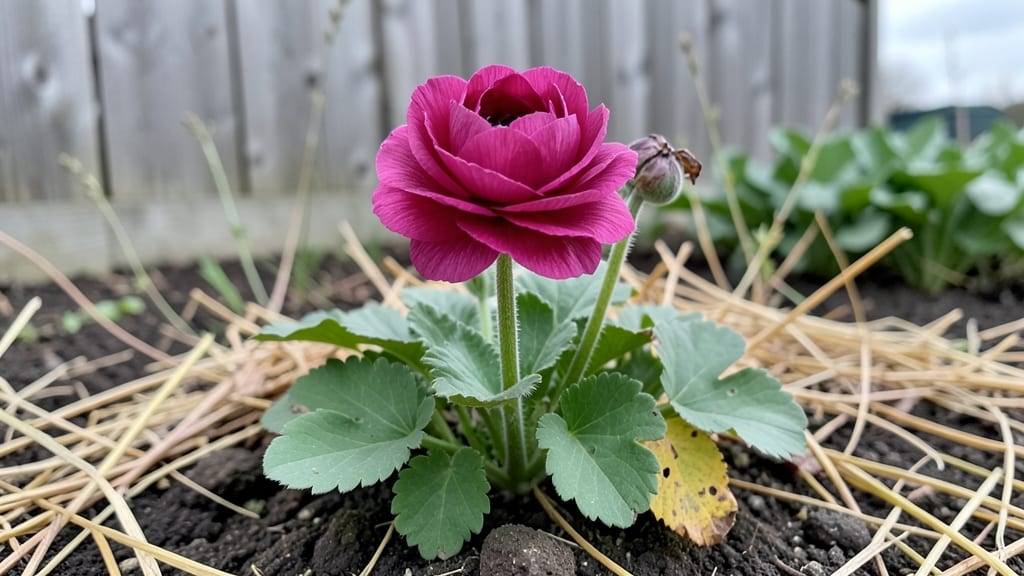
Growing ranunculus in your garden unlocks a treasure trove of delicate, paper-thin blooms that last from spring until frost 🌸.
If you crave a garden bursting with paper-like blooms that defy seasonal limits, ranunculus might be your secret weapon—these delicate yet hardy perennials thrive with the right care, offering vibrant colors from early spring to late fall.
Planting them in USDA Zone 6a or warmer means you’ll enjoy continuous blooms for months, whether you’re tucking them into borders, containers, or cutting gardens.
Below, I’ll walk you through everything from soil prep to year-round care, so you can keep your garden in full, cheerful bloom—no matter the season.
How to plant and grow ranunculus for maximum blooms year-round
Ranunculus bulbs are my go-to for springtime drama—their layered, paper-thin petals create a showstopping display that lasts from early spring through summer. The key to continuous blooms lies in timing, soil prep, and seasonal adjustments.
Unlike many flowers, ranunculus tolerates light frosts and even thrives in cooler climates, making them perfect for year-round garden planning if you follow a few simple rules.
Whether you're starting from bulbs or seeds, the process is straightforward but requires attention to planting depth, sunlight exposure, and watering consistency.
I’ve grown ranunculus in containers, borders, and cut-flower beds, and the secret to their longevity is preventing waterlogging while ensuring they get full sun. Let’s break it down into actionable steps so you can enjoy vibrant blooms from February to October.
Select a spot with full sun (6+ hours daily) and well-draining soil. Ranunculus hates soggy roots, so avoid low-lying areas where water pools. If your soil is heavy clay, amend it with compost or sand to improve drainage.
Test your soil’s pH—ranunculus prefers neutral to slightly acidic (6.0-7.0). Mix in 2-3 inches of compost and a slow-release fertilizer (5-10-10) to give your bulbs a nutrient boost. For containers, use a lightweight potting mix with perlite for aeration.
Plant bulbs 3-4 inches deep, with the pointy end facing up. Space them 4-6 inches apart in rows for a lush, continuous display. If planting in containers, use 3-5 bulbs per 6-inch pot to encourage fullness.
Keep soil moist but not waterlogged during the first 4-6 weeks after planting. Once shoots emerge, reduce watering to once weekly (or bi-weekly in summer). Ranunculus bulbs rot easily, so always water at the base and avoid wetting the foliage.
Apply a balanced fertilizer (5-10-10) when shoots are 2-3 inches tall and again when buds form. Avoid high-nitrogen fertilizers—they promote leafy growth over blooms. For cut flowers, use a low-phosphorus fertilizer to extend vase life.
Remove spent blooms regularly to encourage new flowers. Apply a 2-inch layer of mulch (straw or shredded bark) to retain moisture and insulate roots during winter. In mild climates (Zones 7-10), ranunculus may rebloom in fall with minimal care.
Best ranunculus varieties for different climates and garden styles
Choosing the right ranunculus varieties can transform your garden into a year-round blooming paradise. These paper-like flowers come in stunning colors and thrive in diverse climates when matched with the right cultivar.
Whether you're designing container gardens, border plantings, or seeking long-lasting cut flowers, there's a perfect ranunculus for your space.
The key to selecting the best variety lies in understanding their height requirements, color preferences, and climate hardiness. Some varieties excel in cool coastal climates, while others thrive in hot desert gardens.
Let's explore the top ranunculus cultivars that will elevate your garden design while ensuring season-long blooms.
🌸
| Variety | Color Palette | Height Range | USDA Zones | Best For |
|---|---|---|---|---|
| Butterfly Mix | Pink, White, Peach | 12-18 inches | 6-10 | Containers, Cut Flowers |
| Persian Jewel | Deep Red, Burgundy | 10-14 inches | 5-9 | Border Plantings, Cool Climates |
| Orange Princess | Bright Orange | 14-18 inches | 7-11 | Hot Climates, Cut Flowers |
| Crimson Beauty | Crimson Red | 12-16 inches | 6-10 | Mixed Borders, Vases |
| White Swan | Pure White | 10-14 inches | 5-9 | Elegant Gardens, Containers |
For container gardens, the Butterfly Mix variety is my top recommendation. Its compact height (12-18 inches) and soft pastel colors create a charming display in pots.
This variety thrives in USDA zones 6-10, making it versatile for most gardeners. Pair it with lavender or salvia for a Mediterranean-inspired look.
If you're designing border plantings, consider the Persian Jewel variety for its bold burgundy blooms. This cool-climate favorite (zones 5-9) adds drama to garden edges. Its 10-14 inch height makes it perfect for mid-height borders alongside dahlias or peony varieties.
For cut flower arrangements, the Orange Princess variety steals the show. Its vibrant orange blooms stand out in bouquets and thrive in warmer climates (zones 7-11). The 14-18 inch stems provide excellent height for vase arrangements, lasting up to two weeks when properly cared for.
Don't overlook the Crimson Beauty variety for dramatic color impact. Its deep red blooms create stunning contrasts in mixed borders and winter arrangements. This variety handles USDA zones 6-10 well, making it ideal for transition zones between hot and cold climates.
Finally, the White Swan variety brings elegance to any garden setting. Its pure white blooms work beautifully in formal gardens and container displays. Perfect for cool climates (zones 5-9), this variety adds a timeless sophistication to your landscape design.
🌿