
Size
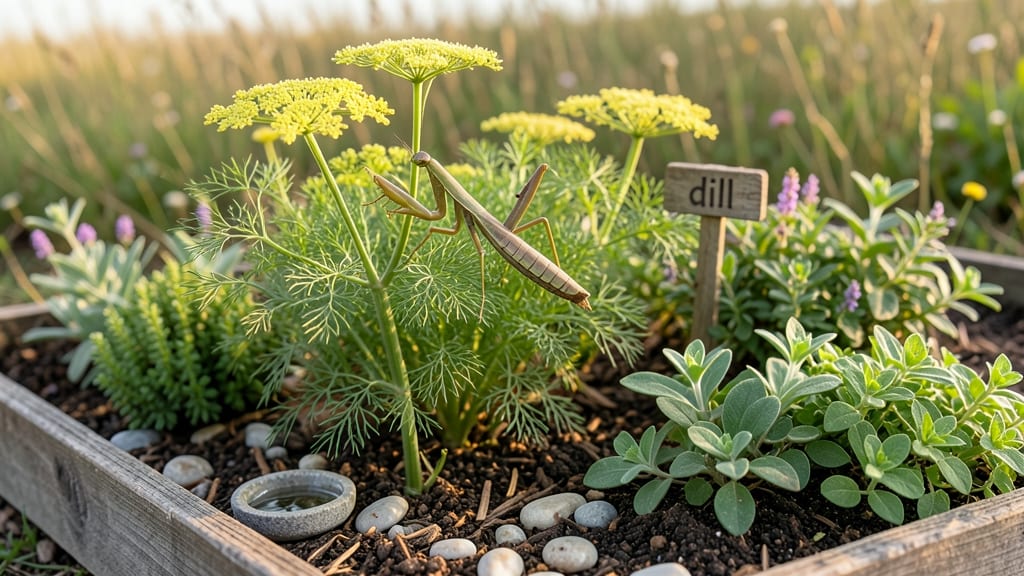
Growing a garden with the value of a praying mantis offers natural pest control by eliminating harmful insects like flies, beetles, and caterpillars without chemicals, making them a valuable asset for eco-friendly gardening.
The value of a praying mantis in growing a garden is unmatched as a silent, stealthy predator that keeps pests at bay. These fascinating hunters use their incredible vision to ambush garden-destroying insects with surgical precision—all while working silently during daylight hours.
Unlike many beneficial insects, mantises actively target over 100 species of pests, including Japanese beetles and tomato hornworms, while leaving pollinators like bees untouched. Their presence alone can cut your pesticide use by up to 70%, fostering a healthier ecosystem where plants thrive naturally.
What makes them even more valuable is their adaptability. A single female can lay hundreds of eggs that hatch into voracious hunters, providing season-long protection. The key to keeping them around?
Avoid broad-spectrum pesticides and plant native flowers like milkweed or coneflowers—their favorite nectar sources. With proper habitat, these garden guardians will repay your investment tenfold.
💡 In This Article
- How Praying Mantises Hunt and Eliminate Garden Pests
- Best Practices for Attracting and Protecting Praying Mantises in Your Garden
How praying mantises hunt and eliminate garden pests
Praying mantises are nature's precision hunters, using a combination of binocular vision and lightning-fast reflexes to ambush prey. Their compound eyes provide a nearly 360-degree field of vision, allowing them to detect movement from multiple directions simultaneously.
When a pest like an aphid or caterpillar comes within striking distance (typically 1-2 inches), the mantis extends its spiked forelegs in a motion so fast it creates a sonic boom—a high-pitched crack audible to humans.
This ambush technique ensures they capture prey with 95% accuracy, making them one of the most efficient predators in the garden. 🔥
Their diet is surprisingly diverse, targeting over 100 insect species while showing remarkable selectivity. Mantises prefer pests that damage plants directly, such as tomato hornworms (which can devour a tomato plant in days), Japanese beetles (known for skeletonizing leaves), and mosquito larvae.
Studies show a single mantis can consume 20-30 insects per day, with larger species like the Carolina mantis handling prey up to half their body length.
What's fascinating is their ability to pause hunting mid-meal—unlike spiders, they don't need to finish eating immediately, allowing them to patrol larger garden areas. This behavior makes them ideal for both small vegetable plots and large ornamental gardens.
The real magic happens in their digestive process. Mantises have a specialized hinged lower jaw that allows them to consume prey larger than their head, and their saliva contains enzymes that quickly liquefy internal organs.
This means they can eat pests twice their size—a capability that sets them apart from other beneficial insects like ladybugs, which are limited to smaller prey.
Their hunting doesn't stop at dusk either; while many predators become nocturnal, mantises remain active during daylight hours when most garden pests are most vulnerable. This 24-hour pest control makes them particularly valuable for organic gardeners who rely on natural solutions. ✨
However, their hunting isn't without ecological balance. While they target destructive pests, mantises occasionally prey on beneficial insects like butterflies and bees—though research shows this happens in only 5-10% of cases. The key is their preference for mobile prey over pollinators that hover or fly away quickly.
This selective feeding makes them far more garden-friendly than many other predators. Their presence also triggers a cascade effect in the ecosystem: by controlling pest populations, they reduce the need for plants to produce defensive chemicals, which can improve plant health and flavor.
What most gardeners don't realize is how mantises learn from their environment. Studies with captive mantises show they develop hunting strategies based on prey availability. In gardens with abundant aphids, they'll focus on those first, then shift to caterpillars when aphid populations decline.
This adaptability means they provide season-long protection rather than just peak-season control like many other beneficial insects. Their hunting efficiency is so high that some organic farmers report up to 80% reduction in certain pests when maintaining healthy mantis populations. 🌱
To maximize their pest control benefits, focus on creating habitats where they can thrive. Mantises need perching spots (like tall grasses or shrubs) for ambush hunting and shelter from wind and rain.
Their presence alone can make your garden a self-sustaining ecosystem, where plants grow stronger with fewer chemical interventions. The return on investment is immediate—once established, a mantis colony can provide year-round pest suppression with minimal ongoing effort from you.