
Pests
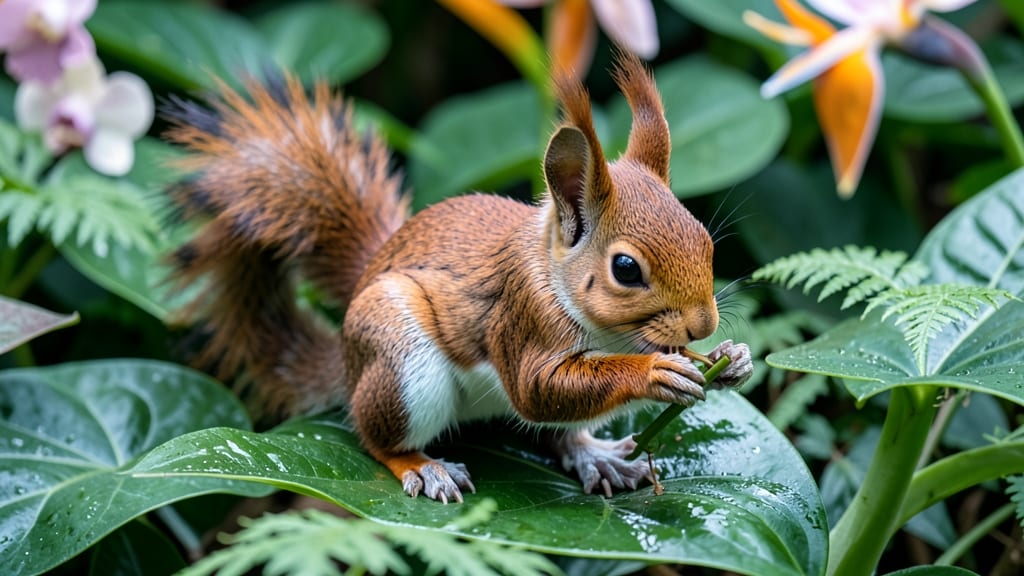
The Squirrel Work system can grow exotic plants in a garden, but these varieties demand precise growing conditions—like controlled humidity, specialized soil mixes, and container modifications—that most native plants don’t require.
The Squirrel Work system is engineered to handle delicate, high-maintenance plants that native species often outperform in the same setup. 🌿 Exotic varieties like orchids or calatheas need consistent moisture levels and protection from temperature swings, while hardy natives like sunflowers or black-eyed Susans thrive with minimal intervention.
The key difference lies in how these systems adapt: exotic plants often need custom drainage solutions or nutrient-rich blends, whereas native plants adapt to local soil and weather patterns naturally.
For gardeners using this system, the trade-off is clear: exotic plants reward you with striking foliage and unique blooms, but they require more attention to detail. Native plants, on the other hand, offer low-maintenance beauty that’s perfectly suited to your local climate.
The system’s strength lies in its flexibility—whether you’re growing rare tropicals or classic perennials, it’s all about matching the plant’s needs to the setup.
💡 In This Article
- How Exotic Plants Thrive in The Squirrel System
- Tips for Growing Exotic vs. Native Plants in Containers
How exotic plants thrive in the Squirrel system
The Squirrel Work system excels with exotic plants by replicating their natural tropical or subtropical environments. These varieties often originate from regions with 70-85% humidity and 65-80°F temperatures, conditions that can be challenging to maintain in standard gardens.
The system’s enclosed containers help regulate moisture and temperature fluctuations, preventing the rapid drying or overheating that exotic plants dread. For example, a calathea plant—known for its stunning patterned leaves—wilts dramatically if humidity drops below 60%, while the Squirrel system’s controlled microclimate keeps it lush and vibrant. 🌿
Soil composition is another critical factor. Exotic plants often require acidic pH levels (5.0-6.5) and nutrient-rich mixes like peat-based or orchid blends, which differ significantly from the neutral to slightly alkaline soils preferred by many native plants.
The Squirrel system allows for custom soil blends, ensuring exotic species like ferns or bromeliads receive the precise balance of organic matter and aeration they need. In contrast, native plants like coneflowers or lavender often thrive in well-draining, mineral-rich soils without such strict requirements.
Light exposure also plays a pivotal role. Many exotic plants prefer indirect, filtered light, mimicking the dappled sunlight of their native rainforest canopies. The Squirrel system’s adjustable lids and reflective surfaces help diffuse harsh sunlight, preventing leaf scorch—a common issue for sensitive varieties like philodendrons.
Meanwhile, native plants typically adapt to full sun or partial shade without needing such precise light management. This adaptability is why sunflowers or black-eyed Susans can flourish in the same system with minimal adjustments.
Nutrient demands further highlight the divide. Exotic plants often require balanced, slow-release fertilizers tailored to their specific needs, such as high-potassium blends for blooming orchids or nitrogen-rich mixes for leafy tropicals.
The Squirrel system’s modular design makes it easy to swap out nutrient solutions seasonally, ensuring exotic plants receive consistent feeding. Native plants, however, often rely on natural soil microbes and decomposing organic matter, making them far less dependent on synthetic inputs. 🌱
Finally, the system’s container design addresses root sensitivity. Exotic plants like African violets or fittonias have delicate root structures that can rot in waterlogged conditions, while native plants like sedum or yarrow tolerate drier soils.
The Squirrel system’s customizable drainage layers—such as perlite or coconut coir—prevent root suffocation, a critical feature for exotic varieties that struggle in compacted or overly wet soils.
For gardeners, the trade-off is clear: exotic plants offer striking visual rewards but demand meticulous care, while native plants provide low-maintenance resilience. The Squirrel system bridges this gap by offering the precision needed for high-maintenance species without sacrificing the simplicity of growing hardy natives. ✨