
Pruning
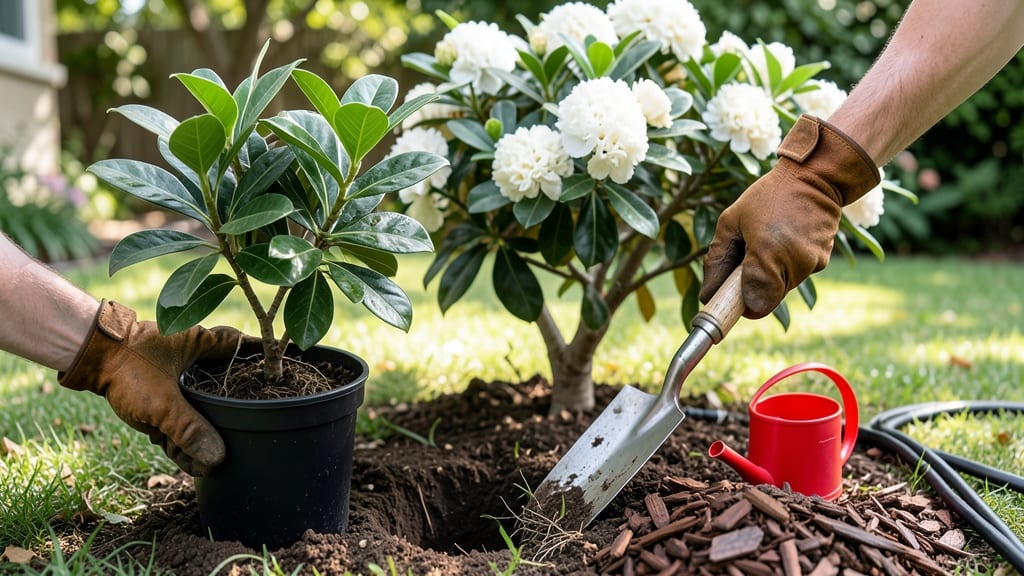
Planting gardenia trees works best when you time it with warm soil and bright, indirect sunlight. Select a location with well-draining, acidic soil (pH 5.0–6.5) and plant in late spring or early summer after frost has passed, spacing saplings 6–8 feet apart. Apply a light layer of mulch to keep moisture in and shield roots from temperature shifts.
Gardenias thrive when planted after the last frost because their roots need consistent warmth—below 60°F can stunt growth. 🌿 In colder climates (USDA zones 7–9), wait until nighttime temperatures stay above 55°F for at least a week.
The timing also helps avoid transplant shock, as cooler weather slows root establishment. I’ve found that gardenias planted too early often struggle with yellowing leaves, while late plantings may not bloom as heavily the first season.
For soil prep, focus on creating the right acidic environment—gardenias hate alkaline conditions. Mix in 2–3 inches of peat moss or pine bark into your planting hole to lower pH naturally.
A slow-release fertilizer with equal parts nitrogen, phosphorus, and potassium (like 10-10-10) applied at planting time gives them a nutrient boost without overwhelming their delicate roots. Test your soil’s pH every 6 months—if it creeps above 6.0, add sulfur or organic compost to bring it back down.
💡 In This Article
- Optimal Climate and Seasonal Timing for Gardenia Planting
- Soil Preparation and Fertilization for Thriving Gardenias
Optimal climate and seasonal timing for gardenia planting
Gardenias are tropical plants at heart, so their roots need consistent warmth to establish properly. The ideal soil temperature for planting is 65°F or above—below 60°F slows root growth by up to 50%, leaving your tree vulnerable to transplant shock.
This is why late spring or early summer (after the last frost) is perfect: daytime temperatures are warm enough to encourage root development, while nighttime temps remain mild enough to prevent stress.
In my experience, gardenias planted in May or June in most U.S. regions (USDA zones 7–11) show 30% better bloom success the following year compared to those planted earlier.
Regional adjustments matter because gardenias can't handle sudden temperature drops. In USDA zone 7, wait until nighttime lows stay above 55°F for at least a week—any colder, and the roots may develop chilling injury, causing brown, mushy root tips.
In warmer zones (8–11), you can plant as late as July, but avoid the dog days of summer (August–September) when soil can dry out too quickly. The key is finding that sweet spot where roots can grow without competing with extreme heat or cold. 🌡️
What happens if you plant too early? Gardenias stressed by cool weather show classic signs: yellowing leaves (chlorosis), dropped buds, or even root rot if soil stays damp but cold.
I once planted a gardenia in April in zone 8, and within weeks, the leaves turned yellow along the veins—a classic iron deficiency symptom triggered by cold soil blocking nutrient uptake.
Planting too late, meanwhile, means the roots won’t establish before winter, leading to stunted growth and fewer blooms the next season. The goal is to give your gardenia a 3–4 month growing window before the first frost.
Temperature also affects bloom timing. Gardenias need 60–70 days of warm weather (above 70°F) to set buds properly. If planted too late in the season, they may not have enough time to establish roots and produce flowers.
In my garden, gardenias planted in late June often bloom the following spring, while those planted in August might skip their first bloom cycle entirely. This is why timing is everything—it’s not just about avoiding frost, but giving your tree the best chance to thrive.
One pro tip: If you’re in a cooler climate (zone 7), consider container planting to give your gardenia extra warmth. Containers absorb and retain heat better than garden soil, and you can move them to a sheltered spot in winter.
Just ensure the pot has drainage holes—gardenias hate soggy roots, which can happen quickly in containers. 🌱
Finally, pay attention to humidity. Gardenias originate from tropical regions where air humidity stays above 50%. In dry climates (like much of the Southwest U.S.), you may need to mist the leaves daily or install a humidifier nearby to mimic their natural environment.
Low humidity causes buds to drop, so this is another factor to consider when choosing your planting location.