
Pests
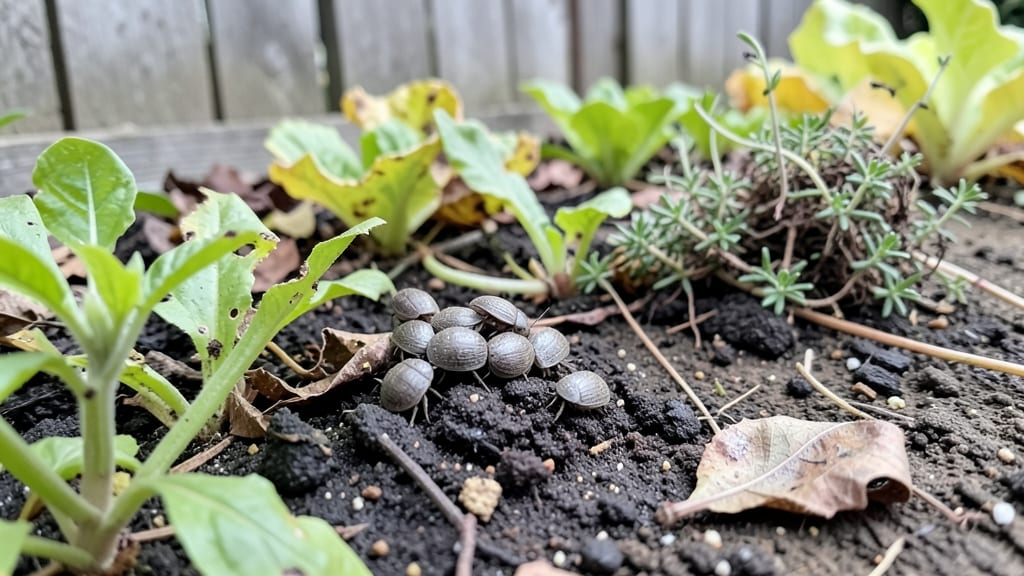
Pillbugs in your garden aren't just harmless critters—they can turn your soil into a muddy mess and damage seedlings if their numbers spiral out of control. 🌱 I’ve spent years watching these armadillo-like bugs chew through mulch and young plants, and I’ve found that the right approach keeps them in check without chemicals.
The key is understanding their habits and disrupting them before they become a problem.
Most people assume pillbugs are just a nuisance, but they thrive in damp, shady spots where they munch on decaying plant matter—and your garden beds aren’t safe.
I’ve learned that simple fixes like adjusting mulch depth, improving drainage, and introducing natural predators (like birds and ground beetles) make a huge difference. No fancy tools or expensive sprays needed—just smart garden habits.
By the end of this, your garden will stay cleaner, seedlings will grow stronger, and you’ll avoid the slimy trails pillbugs leave behind. The best part?
These solutions work whether you’re dealing with a few stragglers or a full-blown infestation. Let’s get your garden back to thriving without the pillbug chaos.
This works for vegetable gardens, flower beds, and even container plants—no matter how big (or small) your space is. The secret is consistency, not chemicals. Here’s how to keep them in their place for good.
What Draws Pillbugs To Gardens
Pillbugs—those tiny, armor-plated critters—might seem harmless, but their presence in your garden can signal underlying issues. Understanding why they show up is the first step to managing them naturally. Let’s break down the key reasons these creatures invade your green space.
🌱 Moisture-rich soil & decaying organic matter
Pillbugs thrive in damp, humid environments because they lack lungs and breathe through tiny pores called pleopods along their undersides. If your soil stays too wet—whether from overwatering, poor drainage, or heavy rainfall—it creates the perfect habitat for them.
- Why it happens: Pillbugs feed on decaying plant material, like fallen leaves, mulch, and compost. If your garden has thick layers of organic debris (especially in shaded or low-lying areas), they’ll move in to break it down.
- Actionable insight: Reduce excess moisture by improving soil drainage (add sand or perlite) and avoid over-mulching. Store firewood and compost piles away from garden beds to limit their access.
🍂 Overly shady & humid microclimates
Pillbugs prefer cool, shaded spots where moisture lingers. If your garden has dense foliage, thick ground covers, or areas blocked from sunlight, these spots become their ideal hiding spots.
- Why it happens: Direct sunlight dries out their preferred damp environments, so they seek refuge under rocks, logs, or dense plantings. Evergreen shrubs and hostas, for example, create microclimates that trap humidity.
- Actionable insight: Thin out overgrown plants to improve airflow and sunlight penetration. Remove debris like fallen branches or dense leaf litter where they might nest.
🍄 Fungal feasts & decomposing plant waste
Pillbugs aren’t just scavengers—they’re detritivores, meaning they play a role in breaking down dead plant material. However, their presence in large numbers can indicate an imbalance in your garden’s ecosystem.
- Why it happens: If your garden has excessive fungal growth (like mushrooms or mold) or rotting plant matter, pillbugs will flock to feed. This often happens in areas with poor circulation or where plants are left to decompose on the soil surface.
- Actionable insight: Regularly clear away dead plant debris and avoid leaving cuttings or fallen fruit on the ground. Encourage beneficial fungi (like mycorrhizae) that support healthy plants rather than harmful ones.
🌦️ Seasonal & weather-related movements
Pillbugs are more active during cool, damp seasons (spring and fall) and retreat underground or under cover during dry spells. If you’ve noticed a sudden pillbug surge, it might be due to recent rain or temperature shifts.
- Why it happens: After heavy rainfall, pillbugs emerge from hiding to forage. Similarly, if your garden was dry for weeks and then got a sudden downpour, they’ll take advantage of the moisture.
- Actionable insight: Monitor weather patterns and adjust watering habits to avoid creating sudden moisture spikes. Use soaker hoses or drip irrigation to keep soil evenly moist without flooding.
🏡 Human activities that invite them
Sometimes, our well-intentioned gardening habits accidentally create pillbug magnets. For example, using peat moss (a favorite pillbug food) in potting mixes or leaving out compost bins near garden edges can attract them.
- Why it happens: Peat moss, leaf mold, and even certain fertilizers (like those high in nitrogen) can draw pillbugs. Additionally, if you’ve recently amended your soil with rich, organic material, they may see it as a buffet.
- Actionable insight: Opt for coco coir or composted bark instead of peat moss. Keep compost piles contained and away from garden beds, and avoid over-fertilizing.
🐛 Natural predator disruption
While pillbugs aren’t pests in the traditional sense, their numbers can explode when their natural predators (like birds, beetles, or frogs) are scarce. Pesticide use, habitat loss, or lack of biodiversity in your garden can tip the balance.
- Why it happens: If your garden lacks a diverse ecosystem, pillbugs may reproduce unchecked because there aren’t enough creatures to keep their populations in check.
- Actionable insight: Encourage predator-friendly plants (like marigolds or dill) and avoid broad-spectrum pesticides. Install a small water feature or birdhouse to attract beneficial wildlife.
Final Thought: 🔍 Pillbugs Are a Symptom, Not the Problem
Pillbugs rarely cause direct harm to plants, but their presence often points to moisture issues, poor drainage, or excess organic debris. By addressing these root causes, you’ll not only reduce pillbug populations but also create a healthier garden ecosystem. Stay tuned for natural control methods in the next section!
Natural Ways to Control Garden Pests
If pillbugs are taking over your garden, don’t worry—there are plenty of effective, chemical-free solutions to keep them in check. These pests thrive in damp, decaying organic matter, so the key is to disrupt their habitat while encouraging natural predators.
Below are targeted fixes based on the root causes of your pillbug problem, along with prevention tips to keep them away for good.
🌱 Overcrowding or Moisture Issues? Dry Them Out
Pillbugs love damp, shaded areas where organic debris piles up. If your garden has excessive moisture or mulch buildup, they’ll multiply quickly. Here’s how to dry out their favorite spots:
- 🔥 Reduce Mulch Depth: Keep mulch layers thin (1–2 inches) and avoid piling it directly against plant stems. Use straw or pine needles instead of thick bark, as they dry out faster.
- 🌡️ Improve Drainage: Amend heavy clay soil with compost or sand to prevent waterlogging. Raise garden beds slightly if drainage is poor.
- ☀️ Increase Sun Exposure: Trim back dense foliage or overhanging branches to let sunlight dry out the soil. Pillbugs avoid sunny, dry conditions.
- 💡 Pro Tip: Place gravel or crushed eggshells around plants—these create dry barriers that pillbugs won’t cross.
🍂 Too Much Decaying Organic Matter? Clean Up
Pillbugs feast on rotting leaves, wood, and plant debris. If your garden is a buffet for them, it’s time to tidy up:
- 🧹 Remove Debris Regularly: Rake up fallen leaves, weeds, and dead plants from garden beds and compost piles. Don’t leave mulch or compost heaps unused—turn them frequently to speed up decomposition.
- 🔪 Chop Up Large Debris: Break down twigs, branches, and large plant clippings into smaller pieces. Pillbugs prefer cozy hiding spots in intact organic matter.
- 🌿 Use a Compost Bin with a Lid: If you compost, opt for a closed bin to prevent pillbugs from moving in. Bury food scraps deeper in the pile to deter them.
🐛 Lack of Natural Predators? Attract Help
Birds, toads, ground beetles, and even chickens eat pillbugs! If your garden lacks these allies, invite them in:
- 🐦 Install Birdhouses & Baths: Attract insect-eating birds like robins, sparrows, and wrens with bird feeders and shallow water dishes.
- 🐸 Create Toad Habitats: Place flat rocks or shallow dishes filled with water in shady spots. Toads thrive in damp areas and will snack on pillbugs.
- 🪲 Encourage Ground Beetles: These beneficial predators love leaf litter and mulch. Avoid over-tidying—leave some natural debris for them to hunt in.
- 🐔 Consider Free-Range Chickens: Chickens adore pillbugs! Even a few hens can help control populations naturally.
🛡️ Still Seeing Pillbugs? Try Barriers & Traps
For stubborn infestations, physical barriers and traps can help:
- 🧱 Use Copper Tape: Pillbugs dislike copper’s electrical charge. Wrap copper tape around raised beds or containers to block their entry.
- 🍳 DIY Beer Traps: Bury a shallow dish filled with beer near problem areas. Pillbugs are attracted to the yeast and will drown. Check traps daily and refresh the beer every few days.
- 🪟 Set Up Cardboard Roll-Ups: Place damp cardboard tubes vertically in the soil. Pillbugs will crawl inside—collect and dispose of them in the morning.
✨ Prevention Tips for Long-Term Control
Once you’ve tackled the pillbug problem, keep these tips in mind to prevent future invasions:
- 🌡️ Monitor Moisture Levels: Water plants in the morning so soil dries faster. Avoid overwatering and use drip irrigation to keep leaves dry.
- 🌿 Choose Pillbug-Resistant Plants: Opt for drought-tolerant or aromatic plants like lavender, rosemary, or marigolds—pillbugs tend to avoid them.
- 🔄 Rotate Garden Practices: Avoid planting the same crops in the same spot yearly. Pillbugs thrive in disturbed, nutrient-rich soil.
- 💡 Pro Tip: Sprinkle dried citrus peels or coffee grounds around plants—they repel pillbugs naturally and add nutrients to the soil.
With these strategies, you can restore balance to your garden without harsh chemicals. Pillbugs may be pesky, but they’re also a sign that your soil is rich and alive—just in need of a little tweaking! 🌿
Frequently asked questions
Why do pillbugs suddenly appear in large numbers?
Pillbugs multiply quickly when your garden provides ideal conditions—think damp soil, thick mulch, or decaying plant matter. Heavy rain, overwatering, or poor drainage can trigger their emergence. They’re also drawn to compost piles or woodpiles near garden edges. Addressing moisture issues and cleaning up organic debris often reduces their numbers fast.
Are pillbugs harmful to my plants?
While pillbugs don’t directly kill plants, they can damage seedlings by nibbling on tender shoots or create muddy trails that compact soil. Their real "crime" is signaling underlying problems like excess moisture or poor drainage. Focus on improving these conditions first—they’ll naturally decline as your garden’s balance shifts.
How do I stop pillbugs from entering raised beds?
Try wrapping the bed edges with copper tape (they dislike the electrical charge) or create a barrier of crushed eggshells. For containers, use fine mesh fabric around drainage holes. Both methods are chemical-free and effective—just ensure the barrier extends at least 6 inches into the soil.
Will diatomaceous earth work against pillbugs?
Diatomaceous earth can help, but it needs to be food-grade and applied carefully. Sprinkle a thin layer around plants (avoid direct contact with soil microbes). Reapply after rain, as it loses effectiveness when wet. For best results, combine it with other methods like improving drainage or adding birdhouses.
How can I tell if pillbugs are gone for good?
Check for 3 consecutive weeks without seeing them or their trails. Look for signs like dry soil, reduced organic debris, and active predators (like birds or toads). If you’ve addressed moisture issues and cleaned up their food sources, they’ll likely stay away—though occasional stragglers may appear!