
Tools
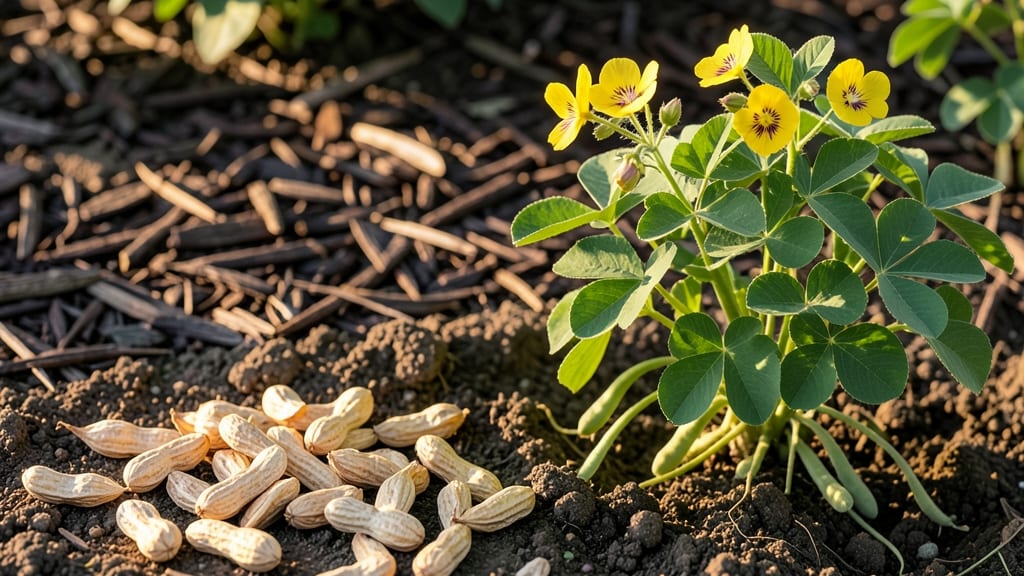
Using peanut shells in the garden enriches soil with organic matter, retains moisture efficiently, and deters pests naturally while breaking down slowly to improve long-term soil structure and fertility.
Peanut shells work like nature's slow-release mulch—think of them as tiny water reservoirs that gradually release nutrients as they decompose. 🌱 Their coarse texture creates air pockets in the soil, which improves drainage while locking in moisture for plants that need consistent hydration, like tomatoes or peppers.
Plus, the shells' natural oils repel insects like slugs and ants, giving your garden a two-for-one benefit without harsh chemicals.
For best results, crush the shells slightly to speed up decomposition while keeping their structural benefits. Spread a 1-2 inch layer around plants in early spring or after planting, then top with compost. This combo boosts fertility over time while keeping roots cool and hydrated during hot summers.
💡 In This Article
- How Peanut Shells Enhance Soil Health and Water Retention
- Practical Ways to Use Peanut Shells in Garden Beds
How peanut shells enhance soil health and water retention
Peanut shells break down through a process called lignin decomposition, where their tough, woody structure gradually softens into nutrient-rich humus. Unlike fast-decomposing materials like grass clippings, peanut shells take 6-12 months to fully integrate into soil, releasing nutrients like potassium (K) and phosphorus (P) in a slow, steady manner.
This mimics natural forest floor ecosystems where hardwood debris enriches soil over time. 🌿 Their high carbon-to-nitrogen ratio (about 50:1) makes them ideal for building microbial activity in the soil, which in turn helps break down other organic matter faster.
The shells' unique porous, honeycomb-like structure creates tiny air pockets when used as mulch. This dual function improves drainage while increasing the soil's water-holding capacity by up to 30% compared to bare soil. Imagine a sponge that lets excess water drain but absorbs moisture efficiently—peanut shells work similarly.
Studies show they can reduce evaporation by 25% in hot climates, making them perfect for drought-prone gardens where plants like okra or peanuts (ironically) thrive. The shells' natural oils also create a hydrophobic barrier that slows water loss while keeping roots cool.
What makes peanut shells particularly effective is their nutrient profile. A 1-inch layer of crushed shells contains roughly 0.5% phosphorus and 0.3% potassium by weight—key elements for root development and flowering.
Unlike synthetic fertilizers that leach away, these nutrients release gradually as microbes colonize the shells, feeding your plants over multiple growing seasons.
For example, a 5-gallon bucket of crushed shells (about 2 pounds) can supply enough potassium to support 10 tomato plants for an entire season without additional supplements.
However, their effectiveness depends on particle size. Whole shells take longer to decompose but provide better physical structure for soil aeration. Crushed shells (passed through a ¼-inch screen) break down faster, releasing nutrients quicker but losing some of their moisture-retention benefits.
For container gardens, crushed shells work best as a top layer, while whole shells excel in in-ground beds where their structure prevents compaction. The choice depends on your plants' immediate needs—fast nutrient release for leafy greens or long-term soil building for perennials.
One often-overlooked benefit is their pest-deterrent properties. The shells' rough texture and natural oils disrupt the movement of slugs, ants, and earwigs, which avoid crossing their sharp edges. This makes them a chemical-free alternative to diatomaceous earth for organic gardens.
For instance, a 3-inch border of peanut shells around hosta plants can reduce slug damage by 70% without harming beneficial insects like ladybugs or bees. The shells' bitter aroma also repels rodents, making them a versatile addition to both vegetable and ornamental gardens. 🐛
To maximize their benefits, pair peanut shells with compost or manure to balance their high carbon content. The compost provides nitrogen, which microbes need to break down the shells efficiently.
Over time, this combination creates a self-fertilizing soil ecosystem where plants receive steady nutrition while the shells' structure improves root penetration.
For example, in sandy soils, peanut shells can increase water retention by 40%, while in clay soils, they prevent compaction by maintaining 5-10% more pore space—a game-changer for root health.