
Landscaping
A parterre garden design turns your yard into a structured, flower-filled canvas that feels like stepping into a royal garden 🌸—without the centuries of practice.
Picture this: crisp lines, perfect symmetry, and layers of color that guide the eye like a well-composed painting. But here’s the catch—getting that flawless balance isn’t just about planting; it’s about math, timing, and choosing plants that play well together in a springtime masterpiece.
Whether you’re working with a 6a climate or a small urban patch, the key is starting with a plan. Skip the guesswork, and I’ll walk you through the steps to design a parterre that looks intentional—even if you’re just beginning.
By the end, you’ll know how to pick the right plants, avoid costly mistakes, and create a layout that stays stunning from March through summer and beyond.
How to design a classic parterre garden layout with perfect symmetry
A parterre garden thrives on mathematical precision and visual harmony. Unlike free-form landscapes, these designs rely on geometric shapes—squares, rectangles, or diamonds—divided by gravel paths or low hedges.
The key lies in axial symmetry, where every element mirrors its counterpart across a central axis, creating an illusion of effortless balance. Whether you're recreating a Renaissance knot garden or a modern boxwood parterre, the principles remain the same: geometry meets nature.
Start by selecting a central focal point, like a fountain or ornate urn, which anchors your design. From this axis, measure outward in equal increments—typically 3 to 5 feet—to define planting beds. Use string lines and stakes to mark your layout before digging, ensuring crisp, straight edges.
Traditional parterres often incorporate heraldic patterns, such as the "four-petaled" or "twisted rope" designs, but modern variations embrace asymmetrical curves or bold contrasting textures.
| Design Type | Key Features | Best For | Maintenance Level |
|---|---|---|---|
| Traditional Knot Garden | Intricate boxwood hedges, gravel paths, heraldic motifs | Historic homes, formal estates | High (pruning, weeding) |
| Modern Parterre Border | Low-growing perennials, clean lines, mixed textures | Contemporary gardens, urban spaces | Moderate (mulching, deadheading) |
| Geometric Pattern Layout | Square/rectangular beds, contrasting colors, bold edges | Entryways, courtyard gardens | Medium (edging, seasonal swaps) |
| Twisted Rope Parterre | Curved hedges, flowing plant transitions, organic feel | Rural gardens, cottage styles | High (pruning curves, weeding) |
| Minimalist Line Planting | Single-row borders, monochromatic schemes, sharp edges | Small spaces, modern landscapes | Low (minimal upkeep) |
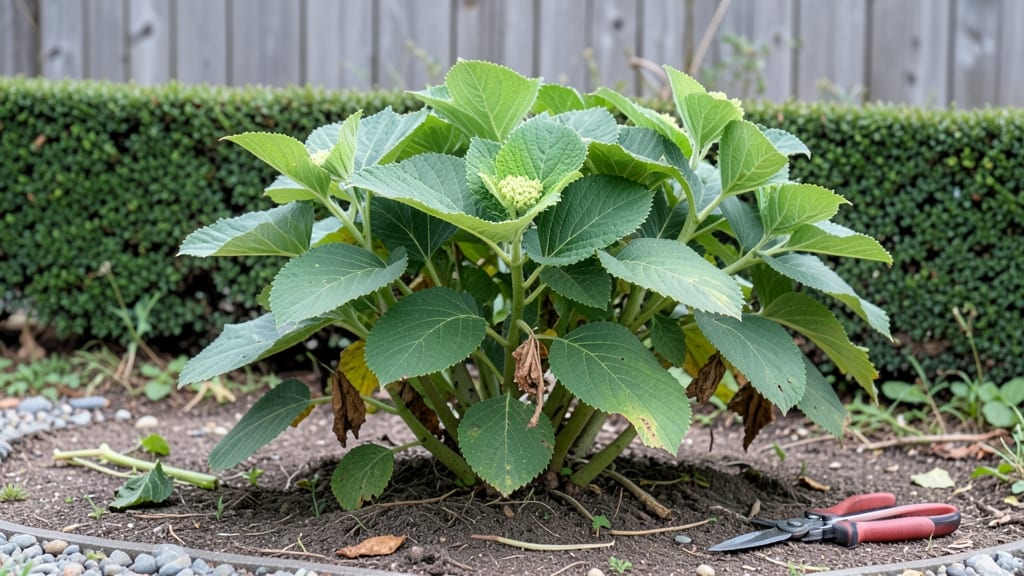
For edging materials, opt for boxwood hedges, lavender, or low-growing yew, as they create natural borders while maintaining crisp lines. Avoid rounded shrubs like hydrangeas, which can disrupt symmetry.
Instead, pair formal shapes with textural contrasts, such as spiky orchid trees against soft fountain grass. The color palette should follow the 60-30-10 rule: 60% dominant hue (e.g., purple), 30% secondary (e.g., white), and 10% accent (e.g., golden foliage).
When selecting plants for symmetry, prioritize low-growing perennials like dwarf boxwood or creeping thyme for borders, and seasonal fillers such as pansies or calendula for color. Group plants in odd-numbered clusters (3, 5, or 7) to create visual interest without breaking symmetry.
For example, place 5 lavender bushes in a central bed and mirror them across the axis with 5 salvia plants in complementary blue-purple tones.
Lighting plays a crucial role in evening visual harmony. Install low-voltage LED path lights along gravel paths to highlight edges, and use uplighting for focal points like ornamental grasses or sculptural plants.
Solar-powered stakes with warm white bulbs (2700K) enhance symmetry by casting even light across mirrored sections. Test your layout at dusk to ensure the design remains balanced under artificial light.
To maintain perfect symmetry, prune plants seasonally—cut back overgrown foliage in early spring and deadhead flowers regularly to encourage uniform growth. Use a string line as a guide when trimming boxwood hedges or topiary shapes, and step back frequently to check alignment.
For long-term upkeep, mulch beds with gravel or cypress mulch to suppress weeds and preserve clean lines.
Incorporate seasonal transitions to keep your parterre dynamic. Swap out spring bulbs like tulips for summer annuals such as marigolds, and add autumn foliage like Japanese maple for contrast.
Even in winter, evergreen shrubs and ornamental grasses maintain structure. Document your design with photos before and after each season to track symmetry and adjust as needed.
For a modern twist, experiment with unconventional materials like steel edging
Best plants for parterre gardens: color, texture, and seasonal interest
A parterre garden thrives on low-growing plants that create striking patterns and maintain symmetry. The key is selecting varieties with contrasting textures—delicate foliage, spiky grasses, and seasonal blooms that keep the design vibrant year-round.
I’ve curated a mix of perennials, annuals, and ornamental grasses that excel in these structured layouts while requiring minimal maintenance.
For sun-drenched parterres, drought-resistant plants like lavender and sedum prevent water waste, while shade-tolerant options like heuchera and hostas add depth to darker corners. The secret? Layering heights—taller plants at the center, mid-height varieties in the middle, and spreading ground covers at the edges.
This creates a three-dimensional effect that draws the eye and enhances symmetry.
🌿 Top Plants for Parterre Gardens
- 🌸 Perennials: Dianthus (pink/white blooms), Thyme (fragrant ground cover), Salvia (spiky purple flowers)
- 🌼 Annuals: Pansies (cool-season color), Lobelia (trailing blue spikes), Marigolds (golden yellow)
- 🌾 Ornamental Grasses: Carex (fine-textured), Fountain Grass (arching plumes), Blue Fescue (clumping blue)
- 🌿 Shade-Tolerant: Heuchera (purple foliage), Hosta (variegated leaves), Ferns (lacy textures)
- 💧 Drought-Resistant: Sedum (succulent-like), Lavender (silvery foliage), Ice Plant (compact growth)
When designing your parterre layout, group plants by color families—think soft pinks with lavender blues or deep purples with silver foliage. This creates visual harmony while keeping the design cohesive.
For example, pairing salvia’s spiky purple blooms with thyme’s trailing green foliage adds both texture and contrast without overwhelming the space.
Don’t overlook seasonal interest—include plants that bloom in spring, summer, and fall to ensure your parterre never looks bare. Pansies and violas brighten early spring, while black-eyed Susans and aster extend color into autumn. Even evergreen grasses like Carex provide winter structure when other plants fade.
Pro tip: Use boxwood hedges or low box borders to frame your parterre and maintain crisp edges. This classic technique not only enhances symmetry but also protects your plants from foot traffic.
For a modern twist, try steel or copper edging to add a sleek, contemporary edge to your traditional design.
With the right plant palette, your parterre garden will become a year-round masterpiece, offering color, texture, and elegance in every season. Start small—even a 6-foot-wide bed can make a stunning statement with the perfect plant combinations.