
Tools
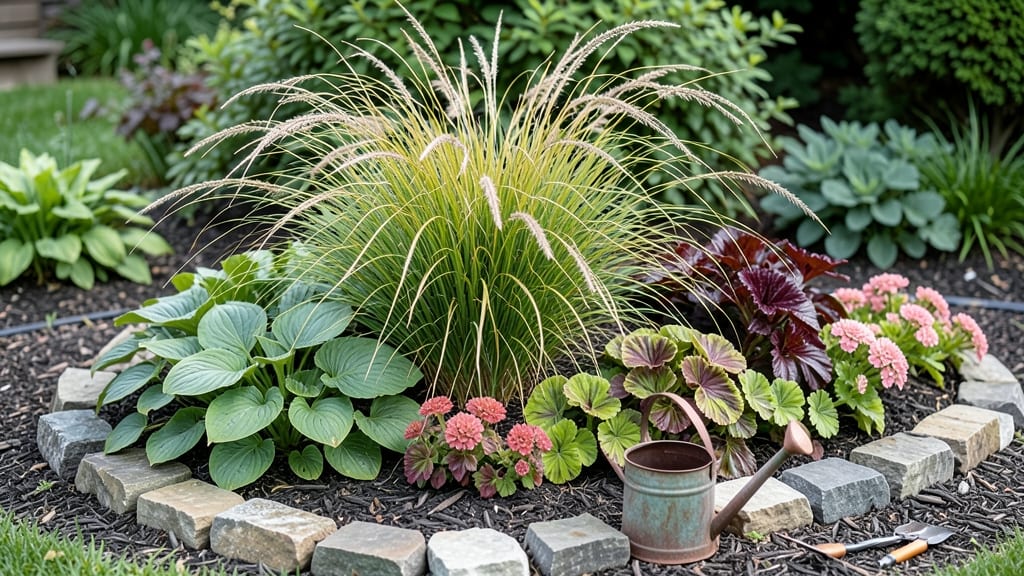
Transforming your garden with mound garden bed ideas can turn a flat, soggy yard into a drainage-friendly paradise that’s easier on your back and better for your plants.
Picture this: no more kneeling in mud or watching water pool around your favorite perennials. Mound beds solve both problems by elevating soil, improving airflow, and making every plant—from drought-resistant lavender to lush ornamental grasses—thrive with less effort.
Whether you’re working with a sloped backyard, poor soil, or mobility challenges, these elevated designs adapt to your space while adding a stunning visual that’s all your own.
Below, I’ll walk you through 10 creative layouts, the best plants to showcase them, and how to build one that lasts for years.
From tiered spirals to simple rock-lined mounds, you’ll discover how to customize your garden for better drainage, accessibility, and beauty—without breaking the bank or your back.
10 Creative mound garden bed designs for different spaces
Transforming your garden doesn’t always require flat, traditional beds. Mound garden beds add dimension, improve drainage, and create stunning visual interest while solving common gardening challenges. Whether you have a small urban balcony or a rural backyard, these designs adapt to your space and style.
The key is choosing the right shape, materials, and plants to match your environment.
For example, a spiral mound works beautifully in open yards, while a compact circular design fits perfectly on patios. Each mound type offers unique benefits, from better soil aeration to reduced weed growth. Let’s explore 10 creative designs that bring both function and beauty to your garden.
🌿 10 Mound Garden Bed Ideas
-
🌱 Classic Round Mound
Perfect for open spaces; use bricks or stones for edging. Ideal for herbs and flowers. -
🪴 Spiral Mound
Creates a meditative garden path; plant drought-resistant perennials like lavender. -
🌿 Tiered Mound
Great for small yards; use wooden crates for levels. Plant succulents and annuals. -
🪨 Rock-Edged Mound
Natural look with river rocks; ideal for native plants and wildflowers. -
🌻 Sunburst Mound
Radiates outward; plant sun-loving flowers like marigolds and zinnias. -
🌳 Tree-Circle Mound
Plant a small tree in the center with ground cover around the base. -
🪵 Log-Capped Mound
Use horizontal logs as caps; perfect for shade-loving plants like ferns. -
🏡 Urban Balcony Mound
Compact container-style mound with herbs and microgreens. -
🌊 Waterfall Mound
Layered with water-loving plants like hostas and astilbes. -
🌿 Slope-Stabilizing Mound
Prevents erosion with deep-rooted grasses and native shrubs.
Each of these designs solves a specific challenge while adding charm to your garden. For instance, the spiral mound creates a natural focal point, while the urban balcony mound maximizes space in tight areas. The rock-edged mound blends seamlessly into natural landscapes, reducing maintenance.
When choosing materials, consider durability and aesthetics. Bricks or stones add structure and longevity, while wooden crates offer a rustic, temporary look. For sloped areas, a slope-stabilizing mound prevents erosion while providing a beautiful, functional space.
Don’t forget to match your plant selection to the mound’s microclimate. For example, succulents and lavender thrive in sunny, well-drained mounds, while hostas and ferns prefer shadier, moister designs. Experiment with textures and colors to create a cohesive look.
One of my favorite designs is the sunburst mound, which radiates outward like a flower. It’s perfect for pollinator-friendly gardens and adds a dynamic element to any space. To build it, start with a circular base and layer soil outward in a fan shape.
For small spaces, like balconies or patios, opt for a compact circular mound. Use lightweight materials like coconut coir or compost-filled fabric planters to keep weight manageable. Plant herbs, strawberries, or lettuce for easy access and high yields.
If you’re working with a sloped yard, a terrace-style mound can transform an otherwise unusable area. Build horizontal layers with retaining walls or logs,
How to build a mound garden bed with perfect drainage
A mound garden bed is a game-changer for gardeners dealing with poor drainage or limited mobility. Unlike traditional in-ground beds, these elevated designs allow water to flow freely while keeping your back happy. The key to success lies in the layered soil composition, which prevents waterlogging while providing nutrients.
Whether you're working with clay soil or a sloped yard, this method creates a thriving environment for your plants.
Before you start, choose a location with at least 6 hours of sunlight daily. Avoid low spots where water pools after rain. The ideal mound should be 12-18 inches tall and wide enough for comfortable access—think 3-4 feet across for easy maintenance.
This height also warms up faster in spring, giving your plants a head start.
- Step 1: Mark your mound's outline with spray paint or a garden hose. Aim for a circular or oval shape (easier to build) with a diameter of 3-4 feet.
- Step 2: Remove grass and weeds from the area. Use a shovel or sod cutter to dig down 6-8 inches to create a stable base.
- Step 3: Add a 3-inch layer of gravel at the bottom for drainage. Compact it lightly with your feet or a hand tamper.
- Step 4: Layer 2 inches of coarse sand over the gravel. This prevents soil from clogging the drainage layer while adding aeration.
- Step 5: Mix equal parts garden soil, compost, and perlite (or vermiculite). This blend ensures fertility and drainage—critical for mound beds.
- Step 6: Build the mound to your desired height, sloping the sides gently outward (about 10-15 degrees) to prevent erosion.
- Step 7: Top with 2-3 inches of mulch (straw or wood chips) to retain moisture and suppress weeds. Leave a 2-inch gap at the base to avoid rot.
When selecting plants for your mound bed, prioritize varieties with shallow roots and drought tolerance. Succulents like sedum or sempervivum thrive here, as do ornamental grasses and lavender.
For edibles, try strawberries or shallow-rooted herbs like thyme or oregano—they love the well-draining conditions. Avoid heavy feeders like tomatoes or peppers unless you amend the soil heavily with compost.
Avoid these common mistakes that can ruin your mound bed: Skipping the gravel layer (leads to waterlogging), using fine soil without amendments (compacts easily), or building too steeply (causes erosion). Also, never place your mound in a shady spot—even partial shade can reduce plant vigor.
Test your soil’s drainage rate by digging a hole, filling it with water, and timing how long it takes to drain. If it’s slower than 30 minutes, add more perlite or sand.
After planting, water deeply once a week (more in hot, dry climates) and mulch annually to maintain structure. Your mound bed will stay lush, accessible, and disease-free for years with minimal effort. Happy gardening!