
Landscaping
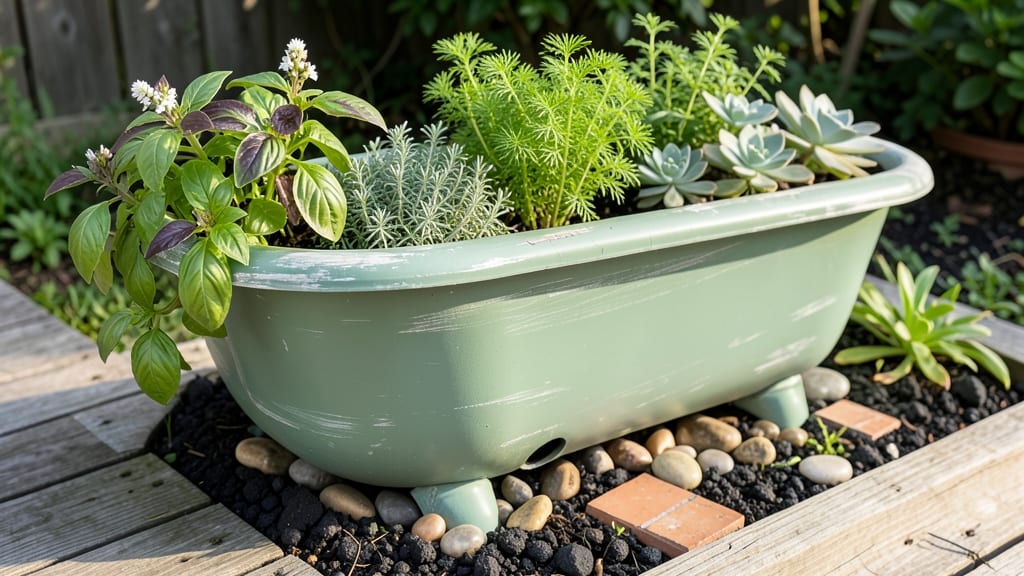
Old bathtub garden ideas transform vintage tubs into charming, functional planters for herbs, succulents, or flowers by waterproofing the base, ensuring proper drainage, and using lightweight soil. Opt for shallow-rooted varieties and position them in bright, indirect sunlight for thriving results.
Repurposing old bathtubs into gardens is a brilliant way to add greenery without taking up extra yard space.
The key is balancing waterproofing—like using a heavy-duty liner or plastic sheeting—to prevent leaks while keeping the structure stable. 🌿 I’ve seen creative setups where bathtubs become vertical gardens on patios or even built into raised beds, making them both functional and decorative.
For drainage, a layer of small pebbles or a perforated pot at the bottom works wonders, while lightweight potting mix prevents root rot in shallow containers.
When selecting plants, focus on varieties that thrive in limited space, such as herbs like thyme or rosemary, succulents like sedum or echeveria, or trailing flowers like petunias. These options not only look stunning but also require minimal upkeep.
A pro tip? Group plants by sunlight needs—place sun-lovers like lavender on the tub’s edges and shade-tolerant ferns in the center. With the right setup, your bathtub garden can last for years, adding a unique, eco-friendly touch to any outdoor space.
💡 In This Article
- How to Convert a Bathtub into a Functional Planter
- Best Plants for Bathtub Gardens and Creative Arrangement Tips
How to convert a bathtub into a functional planter
Transforming a bathtub into a planter starts with waterproofing—this is critical because tubs aren't designed to hold soil moisture long-term.
Begin by cleaning the tub thoroughly to remove any soap residue or grime, then line the interior with a heavy-duty pond liner or thick plastic sheeting (at least 10 mil thickness) to prevent leaks.
For extra protection, staple the liner to the tub's edges or use waterproof sealant along seams. The liner should extend slightly up the sides to create a barrier between the tub and soil.
Drainage is the next key step, as bathtubs lack natural drainage holes. Create a 2-3 inch layer of gravel or expanded clay pebbles at the bottom—this prevents soil compaction and allows excess water to escape. For added stability, place a perforated plastic nursery pot inside the tub before adding soil.
This creates a removable inner container that makes repotting easier later. Fill the remaining space with a lightweight potting mix (like a cactus/succulent blend) to reduce weight and improve aeration, as heavy garden soil can cause the tub to tip over.
The weight distribution of your bathtub planter depends on the tub's material and size. Cast iron tubs can handle 50-75 pounds of soil and plants safely, while lighter acrylic tubs should stay under 30 pounds.
To reinforce stability, consider placing the tub on a wooden platform or cinder blocks to elevate it slightly and prevent water pooling underneath. If your tub has a non-slip bottom, that's a bonus—it naturally improves traction.
For outdoor use, position the tub on a level surface and secure it with landscape screws if needed.
One common mistake is overfilling the tub with soil, which increases weight and reduces airflow. Aim to fill the tub no more than 80% full with soil to allow room for plant growth while maintaining stability.
For extra drainage, consider adding a slotted drainage pipe that extends from the bottom—this works like a French drain but on a smaller scale. The pipe should be covered with landscape fabric to prevent soil from clogging it.
This system is especially useful in rainy climates where water retention is a concern.
Seasonal adjustments matter too. In winter, move the tub to a sheltered area if temperatures drop below 40°F, as freezing water can damage the liner or cause cracks. For year-round use, insulate the tub's base with foam board insulation (cut to fit) before adding the liner.
This helps maintain consistent soil temperatures, which is crucial for plants like herbs that prefer warmth. With these precautions, your bathtub garden can thrive for years while adding a unique, rustic charm to your space. 🌿