
Landscaping
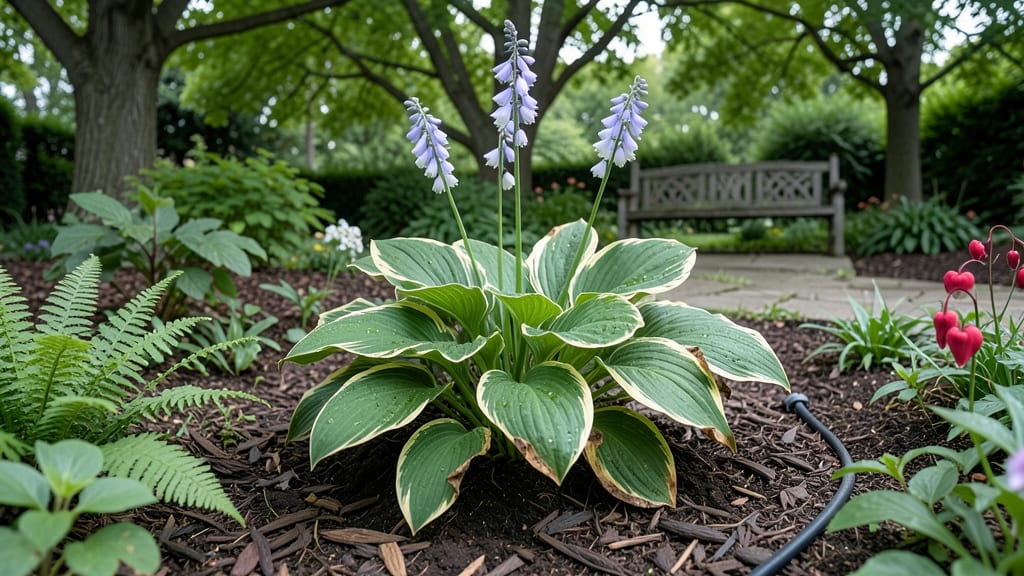
Zone 6 shade garden ideas can turn your dimmest corner into a thriving, layered oasis that blooms all season long—no sun required.
Picture this: a lush understory where hostas and ferns thrive under towering maples, while bleeding hearts spill pink cascades in spring and heucheras keep the color going through winter. The key? Smart layering and the right plant mix for Zone 6’s cooler, moister conditions.
Too many gardeners assume shade means dull—until they discover how textured foliage and strategic color blocks can create drama even without sunlight. I’ll show you how to pair evergreen ground covers with seasonal bloomers to keep your garden vibrant from April’s first leaves to November’s frost-kissed stems.
Ready to design a shade garden that feels alive year-round? You’ll learn the top 10 shade-tolerant plants for Zone 6, how to layer them for depth, and the three biggest mistakes that kill shade gardens before they even start.
 Best Window Placement
Best shade-loving plants for Zone 6 year-round interest
Creating a shade garden in Zone 6 doesn’t mean sacrificing color or texture—it’s all about choosing the right shade-tolerant plants that thrive in low light. With the right mix of perennials, annuals, and ground covers, you can enjoy vibrant blooms and lush foliage from spring through winter.
The key is selecting plants that handle partial to full shade while complementing Zone 6’s climate.
Zone 6’s cold winters and hot summers demand plants with resilience. Many evergreen perennials and woody shrubs provide structure, while seasonal bloomers keep the garden dynamic. For example, heuchera (coral bells) offers year-round foliage interest, while astilbe delivers feathery plumes in summer.
Layering these plants creates depth and ensures your garden stays visually engaging in every season.
Below is a curated list of top shade plants for Zone 6, organized by their seasonal impact. Each plant is chosen for its hardiness, color, and texture, ensuring your garden remains a low-maintenance sanctuary even in the shadiest spots.
| Plant Type | Seasonal Highlight | Sunlight Needs | Mature Size | Zone 6 Notes |
|---|---|---|---|---|
| Heuchera (Coral Bells) | Spring-Fall foliage | Partial shade | 12-18" tall | Cold-hardy, deer-resistant |
| Astilbe (False Spirea) | Summer blooms | Partial to full shade | 12-36" tall | Moisture-loving, great for borders |
| Hosta (Plantain Lily) | Summer foliage | Partial shade | 12-48" tall | Shade-tolerant, slug-prone |
| Ferns (e.g., Dryopteris) | Year-round texture | Full shade | 18-36" tall | Low-maintenance, evergreen |
| Bleeding Heart (Dicentra) | Spring blooms | Partial shade | 18-24" tall | Dies back in summer |
| Lungwort (Pulmonaria) | Early spring blooms | Partial to full shade | 12-18" tall | Drought-tolerant once established |
| Japanese Painted Fern | Year-round foliage | Full shade | 18-24" tall | Cold-hardy, low-maintenance |
| Solomon's Seal | Summer arching blooms | Partial shade |
Layered planting designs to maximize shade garden depthCreating a shade garden that feels lush and dynamic doesn’t require sunlight—just smart layered planting. By combining tall shrubs, mid-height perennials, and low ground covers, you’ll add depth, texture, and year-round interest while filtering light and reducing weeds. In Zone 6, where summers can be hot and winters crisp, this approach ensures your garden thrives without direct sun exposure. Start with a backbone layer of tall, shade-tolerant shrubs like inkberry holly or witch hazel. These provide structure and filter harsh light for lower plants. Next, add mid-height perennials such as hostas or astilbes for color and movement. Finally, weave in ground covers like foamflower or sweet woodruff to suppress weeds and add softness. This three-tiered system mimics natural woodland ecosystems, creating a balanced, low-maintenance look.
Layered Planting Checklist for Zone 6 Shade Gardens
When selecting plants, prioritize native species for Zone 6 shade gardens, as they’re adapted to local conditions and require less maintenance. For example, Virginia sweetspire offers spring blooms and fall color, while Christmas fern provides evergreen texture year-round. Pair these with shade-loving annuals like impatiens or begonias for bursts of color during the growing season. Don’t overlook the power of foliage variety—mix plants with different leaf shapes and textures, such as hosta’s broad leaves, heuchera’s crinkled foliage, and ferns’ delicate fronds. This creates visual interest even when flowers aren’t in bloom. For instance, a deep purple heuchera paired with silver variegated hostas adds contrast and depth instantly. To enhance light filtering and pest control, interplant aromatic herbs like mint or lemon balm at the edges of your garden. Their strong scents deter pests naturally while adding a fragrant element. Additionally, avoid overcrowding—give each plant enough space to grow without competing for resources. A well-spaced layered design ensures airflow, reducing fungal diseases common in shady areas. Finally, plan for seasonal transitions. Choose plants that offer year-round interest, such as wintergreen boxwood for structure in winter or bloodroot for early spring blooms. By layering these elements thoughtfully, your Zone 6 shade garden will become a vibrant, low-maintenance oasis that evolves with the seasons. |