
Planting
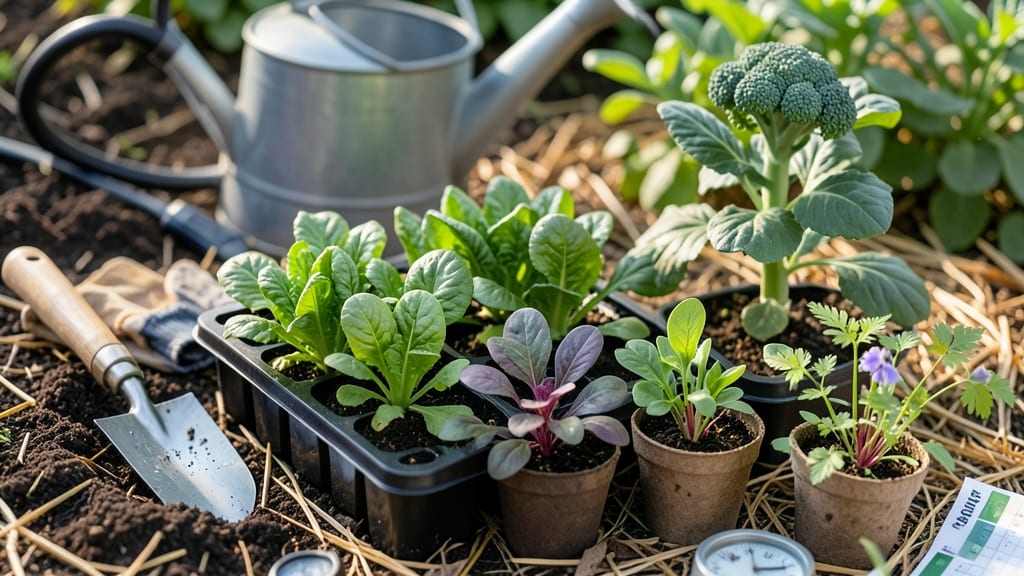
Planting a vegetable garden in New Brunswick requires timing your crops to the last frost date—usually around April 15—or risk losing tender seedlings to late cold snaps.
New Brunswick’s unpredictable climate can make timing your vegetable garden a high-stakes game—plant too early and risk frost damage, too late and miss peak harvests. But with the right cold-hardy starts and last-frost safeguards, you can maximize your garden’s potential year after year.
In Zone 5b, where spring temperatures swing wildly, knowing which crops thrive in cool soil (35–45°F) and which need warm conditions is the key to a productive 🥬 garden.
Cool-season veggies like peas and spinach can go in as early as April 15, while tomatoes and peppers need to wait until after the last frost.
Below, I’ll break down the exact planting windows for your region, the best cold-hardy varieties for early starts, and how to protect young plants from unexpected frost.
You’ll also discover how to extend your growing season with simple tricks like row covers and mulch—so you can enjoy fresh harvests from June through October.
New Brunswick’s planting zones and last-frost dates by region
New Brunswick’s USDA Zone 5b climate means your planting timeline hinges on last-frost dates that vary by region. Fredericton typically sees its last frost around May 10, while coastal Saint John averages May 5—a crucial difference for warm-season crops.
Rural areas often experience later frosts, sometimes lingering until May 20, so always check local forecasts.
For cold-hardy vegetables like kale, peas, and spinach, you can start planting as early as March 20 when soil temperatures reach 35–45°F. These resilient crops tolerate light frosts, giving you a head start on the growing season.
My Fredericton garden thrives when I plant these by April 1, often yielding harvests by early June.
Here’s how New Brunswick’s regions compare for planting timelines, including ideal windows for cold-hardy and warm-season crops:
| Region | Last Frost Date | Plant Cold-Hardy Crops | Plant Warm-Season Crops | Fall Planting Window |
|---|---|---|---|---|
| Fredericton | May 10 | March 20–April 15 | May 20–June 1 | August 1–September 1 |
| Saint John | May 5 | March 15–April 1 | May 10–May 20 | July 30–August 15 |
| Moncton | May 8 | March 25–April 10 | May 15–May 25 | August 5–August 30 |
| Rural Areas | May 20 | April 1–April 20 | June 1–June 10 | July 15–August 10 |
In Fredericton, where I garden, I prioritize cool-season crops like broccoli and carrots by April 15, knowing they’ll tolerate light frosts. Meanwhile, tomatoes and peppers wait until after May 20 to avoid frost damage. Rural gardeners should delay warm-season plantings until June 1 to play it safe.
Soil temperature is just as critical as air temperature. Use a soil thermometer to confirm 50°F+ for warm-season crops like cucumbers and beans. My Moncton garden often struggles with cool soils in May, so I opt for row covers to accelerate warming.
For fall planting, aim to sow kale and spinach by August 1 in Fredericton, giving them time to mature before the first frost around October 15.
Coastal areas like Saint John can extend this window until September 1, while rural zones may need to start by July 15.
Pro tip: Use Environment Canada’s frost forecasts to fine-tune your timeline. I set reminders for April 15 (last frost alerts) and October 1 (first frost warnings) to adjust my garden plan dynamically. This flexibility is key in New Brunswick’s variable climate.
Remember, microclimates matter. A south-facing slope warms faster than a shaded valley, so adjust your planting dates accordingly. My sunniest garden beds often support earlier plantings of lettuce and radishes by March 30, while shaded areas wait until April 10.
By aligning your planting with these regional guidelines, you’ll avoid the heartbreak of frost-nipped seedlings and maximize your harvests. Start with cold-hardy crops, monitor soil temps, and always have row covers on hand for unexpected late frosts!
Cold-hardy vegetables to start indoors vs. direct-sow timing for New Brunswick gardens
Timing your vegetable garden in New Brunswick hinges on understanding which crops thrive when started indoors versus those that can handle direct sowing into cool spring soil.
With USDA Zone 5b and unpredictable frost dates, I’ve found that 4-6 weeks before last frost is my golden window for indoor starts, while cold-hardy crops like spinach and peas can go straight into the ground as early as March-April under protection.
For warm-season vegetables like tomatoes and peppers, I always begin seeds indoors in late February to ensure they’re ready for transplanting 2-3 weeks after last frost (typically mid-May).
Meanwhile, cool-season crops such as radishes and lettuce can be direct-sown as soon as soil temperatures hit 40°F, often by early April in most regions.
🌱 Comparison Table: Indoor Starts vs. Direct-Sow Timing for New Brunswick Gardens
| Vegetable | Indoor Start Time | Direct-Sow Time | Notes |
|---|---|---|---|
| Tomatoes | Late February | After last frost | Needs 60-70 days to mature |
| Peppers | Late February | After last frost | Slow growers; start early |
| Lettuce | Not needed | Early April | Direct-sow for quick harvests |
| Radishes | Not needed | March-April | Fast-growing; tolerate frost |
| Spinach | Not needed | Early April | Thrives in cool soil |
| Broccoli | Early March | Early April | Can start indoors or direct-sow |
My 30-day growth rule helps me decide: if a vegetable needs more than 30 days to mature, I start it indoors. For example, tomatoes and peppers require 60-90 days to fruit, so I begin them 8-10 weeks before last frost.
On the other hand, radishes and lettuce mature in 25-40 days, making them perfect for direct sowing as soon as the soil is workable.
Microclimates in New Brunswick play a huge role—coastal areas like Saint John warm up faster than inland Fredericton. I adjust my timings by 1-2 weeks depending on location, using Environment Canada’s frost forecasts as my guide.
For instance, I might direct-sow peas in early April in Saint John but wait until mid-April in Fredericton.
Pro tip: Succession planting is my secret weapon for extending harvests. After pulling early radishes or lettuce, I replant with more seeds every 2 weeks until early June. This keeps my garden productive long after the initial planting window closes.
For fall gardens, I reverse the strategy—starting cold-hardy crops like kale and spinach indoors in July for transplanting in August. This ensures a second harvest before the first frost hits in mid-October. With these timings, I’ve doubled my garden’s yield while keeping frost damage at bay.