
Vegetables
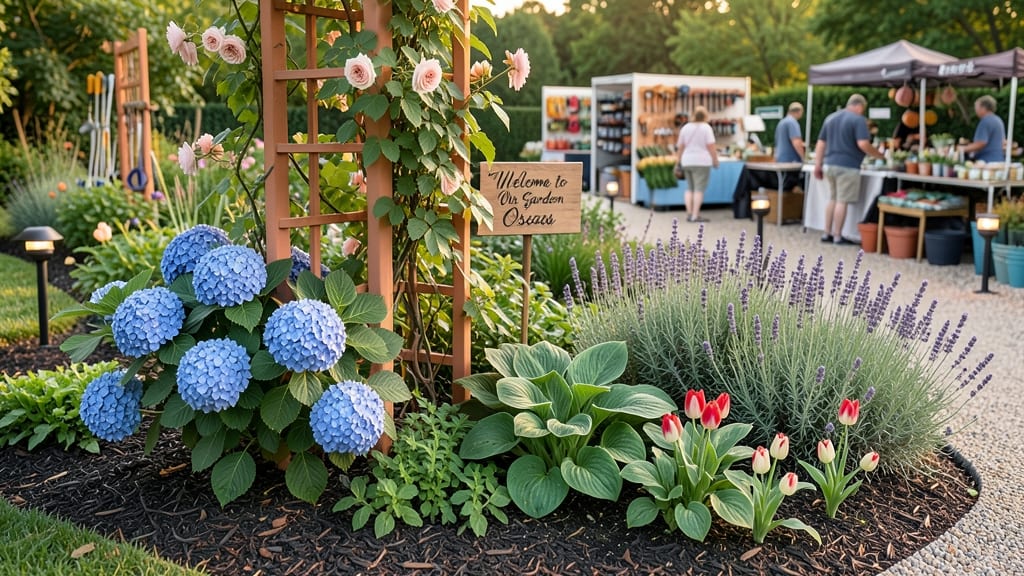
The Gardens World Show 2024 highlights the latest plant innovations, rare botanical displays, and hands-on workshops focused on drought-resistant varieties, vertical farming techniques, and AI-powered gardening solutions for both hobbyists and professionals.
The Gardens World Show 2024 isn't just another trade event—it's a playground for anyone passionate about the future of horticulture. 🌱 This year's focus on climate-resilient plants and smart gardening tech reflects how fast the industry is evolving, with exhibitors demonstrating everything from self-watering vertical gardens to AI that predicts plant diseases before they spread.
What sets this show apart is how it bridges cutting-edge science with practical applications, giving attendees actionable ideas whether they're managing a backyard or a commercial nursery.
For those who love hands-on learning, the workshops are where the magic happens—think masterclasses on hydroponics or how to propagate rare orchids from seed. The trade floor itself is packed with interactive demos, like touchscreen soil analyzers that tell you exactly what nutrients your plants are missing.
It's the kind of event where you leave feeling inspired and equipped to try something new in your own space.
💡 In This Article
- 2024 Gardens World Show Plant Innovations Explained
- How to Plan Your Visit to Gardens World Show 2024
2024 Gardens world show plant innovations explained
The Gardens World Show 2024 is showcasing plant innovations that push the boundaries of what's possible in modern horticulture. One standout example is genetically modified flowers designed to thrive in extreme conditions.
Scientists have developed roses that produce 30% more blooms while requiring 40% less water—achieved through CRISPR gene editing to enhance drought resistance.
These flowers maintain their vibrant color even under intense sunlight, thanks to modified anthocyanin pathways that stabilize pigment production. 🌹 The technology isn't just about survival; it's about creating plants that actively improve their environment by filtering more pollutants from the air.
Hydroponic advancements are another game-changer, with systems now capable of growing tomatoes in 50 days—half the time of traditional soil-based methods. The secret lies in precision nutrient delivery through AI-controlled pumps that adjust pH and mineral concentrations in real-time based on plant sensors.
Exhibitors demonstrate how these systems use LED grow lights tuned to specific wavelengths (like 450nm for chlorophyll production) to maximize yield while reducing energy use by 25%. For home gardeners, this means compact systems that fit on balconies can now produce harvests comparable to backyard plots.
Climate-adaptive species are stealing the show, particularly heat-tolerant wheat varieties developed through traditional breeding combined with modern genomics. These new strains maintain 90% of their protein content even when temperatures exceed 104°F, compared to traditional wheat which loses 30-40% under the same conditions.
The innovation lies in identifying and amplifying heat-shock proteins that protect cellular structures during stress. 🌾 What's fascinating is how these crops are being paired with mycorrhizal fungi—natural soil partnerships that boost water absorption by up to 60%—creating a two-pronged solution for water scarcity.
Beyond the plants themselves, the show highlights AI-driven tools that analyze soil samples in minutes. Devices like the Plantix Soil Scanner use machine learning to detect 12 essential nutrients and recommend precise fertilizer blends, cutting waste by 50% compared to standard practices.
The AI doesn't just diagnose problems—it predicts them, alerting growers 7-10 days before symptoms appear in plants. This predictive capability is revolutionizing both commercial farming and home gardening, where even small adjustments in soil pH can mean the difference between thriving herbs and wilted basil.
What makes these innovations accessible is how exhibitors demonstrate their practical applications. For instance, vertical farming systems now include modular units that can be stacked to grow 20 pounds of greens per square foot annually—equivalent to a traditional garden's output in just 1/10th the space.
The key to their success lies in closed-loop water systems that recycle 95% of water used, making them ideal for urban environments where space and resources are limited. 🏙️ These systems often incorporate hydroponic mats that wick water directly to roots, eliminating runoff and reducing evaporation losses by 80%.
The show also features rare botanical exhibits that blend science with beauty, like bioluminescent plants engineered to glow faintly at night. While still in early stages, these plants use luciferase genes from fireflies to produce light without affecting growth.
Visitors can see how these plants might transform nighttime gardens into self-illuminating landscapes, reducing the need for artificial lighting. The exhibit demonstrates how genetic research isn't just about utility—it's about creating living art that responds to its environment in magical ways.