
Pests
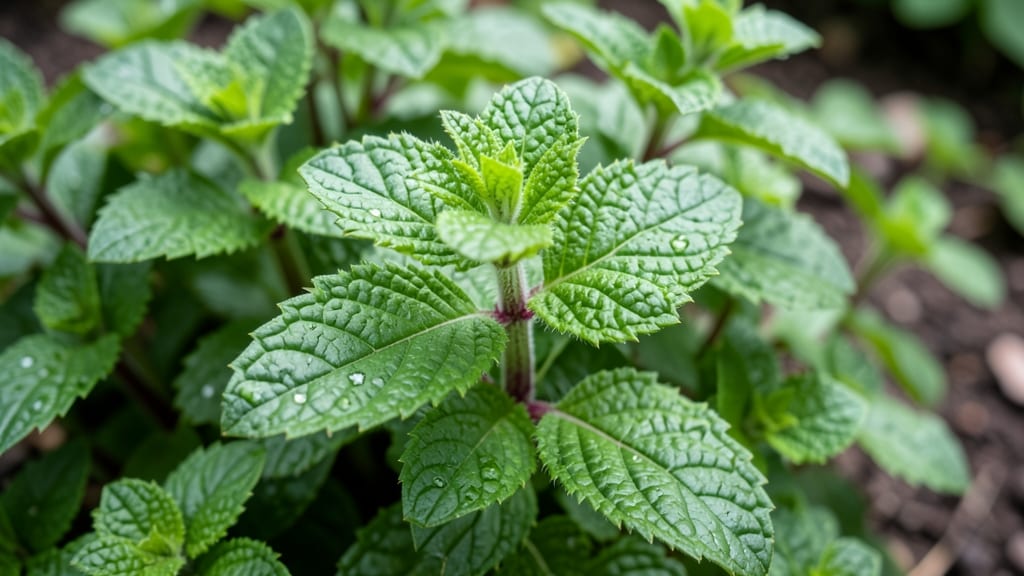
A natural ant repellent for gardens uses vinegar, citrus peels, or essential oils like peppermint to create effective DIY sprays. These solutions break ant scent trails and mask their foraging signals, providing chemical-free protection for plants and garden soil.
Ants rely heavily on pheromone trails to navigate, so disrupting these chemical signals is key to repelling them naturally. 🔥 Peppermint oil, for example, contains menthol that overwhelms their tiny antennae, while citrus oils like lemon or orange peel create a scent barrier they avoid.
I've found that mixing these with water in a spray bottle creates a potent, long-lasting deterrent—just be sure to reapply after rain or heavy watering.
The beauty of these methods is they're completely safe for plants, pets, and children when used properly, unlike commercial pesticides that can harm your garden ecosystem.
For best results, apply your natural repellent in the early morning or late evening when ants are most active. Focus on entry points like cracks in the foundation, along fence lines, and near plant bases where ants commonly travel.
A little prevention goes a long way—consistent application helps maintain that protective scent barrier that keeps ants from reclaiming their trails.
💡 In This Article
- How Essential Oils Disrupt Ant Behavior
- Best DIY Ant Repellent Recipes for Long-Lasting Garden Defense
How essential oils disrupt ant behavior
Ants navigate using pheromone trails—chemical signals they leave behind like invisible highways. Essential oils like peppermint and citrus contain compounds that scramble these trails by overwhelming their tiny antennae, which are 10,000 times more sensitive than human noses.
For example, peppermint oil's menthol triggers a repulsion response because ants perceive it as a predator threat, causing them to avoid treated areas entirely. 🔥 This works because ants rely on scent cues to find food and communicate, and strong aromas like citrus (containing limonene) or cinnamon (with cinnamaldehyde) create a sensory barrier they can't penetrate.
The effectiveness varies by oil: peppermint oil typically repels for 1-2 weeks when applied undiluted, while citrus oils last 3-5 days due to faster evaporation. Cinnamon oil, however, contains 20% cinnamaldehyde, a compound that disrupts ant communication at concentrations as low as 0.1% dilution.
The key is using oils with high volatility—those that evaporate quickly create a moving scent barrier that ants can't adapt to, unlike slow-release options that may lose potency faster.
What most people don't realize is that ants have different responses based on colony type. Sugar ants (like Argentine ants) are repelled by citrus oils, while protein-seeking ants (like carpenter ants) respond better to peppermint or clove oil.
This is why a multi-oil blend often works best—it covers more behavioral triggers. The oils don't kill ants directly but create an inhospitable environment, forcing them to seek food elsewhere. 🌟 This ecological approach preserves beneficial insects while targeting pests.
Temperature also plays a role: oils work best when applied in 60-80°F conditions. In colder weather, their evaporation slows, reducing effectiveness. That's why gardeners in cooler climates should reapply more frequently or use thicker bases like coconut oil to slow evaporation.
The science here is fascinating—ants don't just avoid strong smells; they perceive them as danger signals from predators, making these oils a smarter solution than toxic chemicals.
For maximum impact, combine oils with a carrier like water or vodka (which helps disperse oils evenly). A 10% oil-to-water ratio (e.g., 10 drops of peppermint oil per cup of water) creates a potent spray without waste.
The alcohol in vodka also helps the solution cling to surfaces longer, extending the repellent's lifespan. This is why commercial ant repellents often include alcohol—it's not just about smell, but about how long that scent lingers in your garden.
Consider this: a single ant scout can recruit 100-1,000 workers within hours using pheromones. By disrupting these signals early, you're essentially cutting off their communication network before they establish a full colony.
That's why early application—especially during spring when ants are most active—can save your garden from infestations before they start. 💫