
Tools
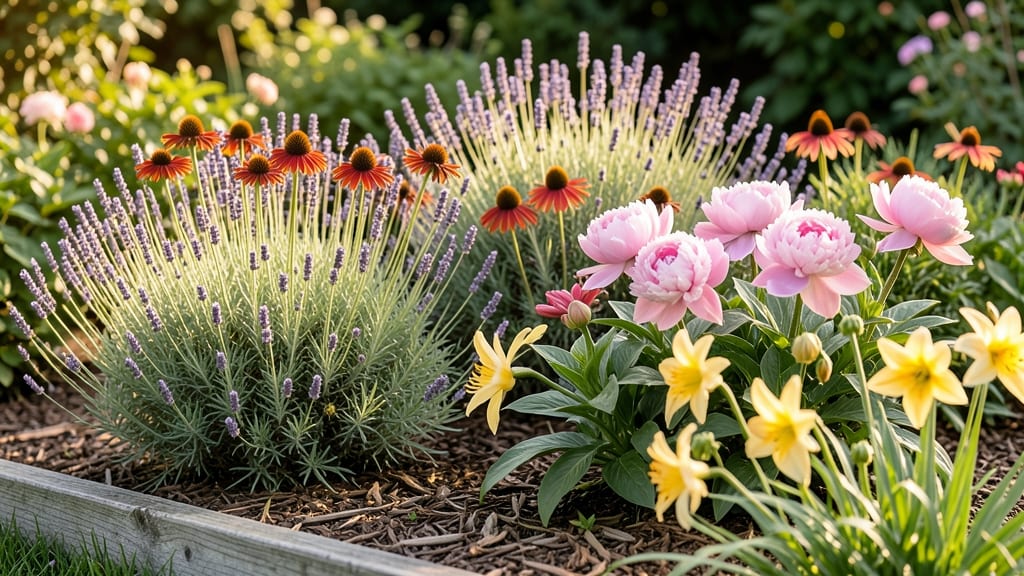
If my mother kept a garden, her plants told a story about soil health through their growth patterns—lush green leaves meant nutrient-rich soil, while yellowing or wilted plants signaled drainage issues or overwatering. These visual cues were her secret to maintaining thriving plants.
Gardening isn't just about planting—it's a living science where plants communicate soil conditions through their appearance. 🌱 My mother's garden was a textbook example: she'd inspect leaf color, stem strength, and growth rate to diagnose hidden soil problems.
For instance, dark green leaves often meant nitrogen abundance, while pale yellow edges revealed magnesium deficiency. She'd adjust her compost or mulch based on these clues, proving that healthy soil starts with attentive observation.
What made her approach so effective was her hands-on method. She'd dig small soil samples, check moisture levels, and even taste the earth (yes, really!) to gauge organic content. 💫 This tactile approach let her fix issues before they became visible in the plants.
The key takeaway? A mother's garden isn't just about flowers—it's a legacy of understanding how to listen to the land.
💡 In This Article
- How Plant Appearance Reflects Soil Quality
- Preserving a Mother’s Garden Legacy Through Soil Testing
How plant appearance reflects soil quality
Plants act like living soil sensors, translating underground conditions into visible symptoms through chlorophyll production and nutrient uptake. When your mother noticed deep green, glossy leaves, it meant the soil had ample nitrogen—essential for leaf growth—while yellowing between veins (chlorosis) signaled magnesium deficiency, a common issue in alkaline soils.
The science behind this involves how plants absorb nutrients: nitrogen fuels chlorophyll, while magnesium sits at its core, acting as a catalyst for photosynthesis.
Growth patterns reveal even more. Stunted, slow-growing plants often indicate poor drainage or compacted soil, where roots struggle to access oxygen and water. My mother would press her thumb into the soil—if it felt like packing snow, she knew it needed organic matter like compost to loosen it.
Conversely, lush, bushy foliage with strong stems suggested well-aerated soil rich in organic material, where roots could spread freely. The texture of leaves also matters: rough, brittle leaves often mean high salt content, while soft, pliable leaves indicate healthy moisture balance.
Root health offers the most direct clues. Digging up a plant to check roots—white and firm means thriving, while dark and mushy signals overwatering or rot.
My mother would often pull a carrot or radish to inspect its size and texture: a small, forked root pointed to nutrient deficiencies, while a straight, fibrous root meant balanced soil.
This tactile method let her diagnose issues before they became visible above ground, saving time and effort in the long run.
Soil pH plays a hidden role too. Acid-loving plants like blueberries show purple-tinged leaves in alkaline soil, while alkaline-tolerant plants like lavender thrive in pH 7.0-8.0 ranges. My mother kept a simple pH test kit to adjust lime (for acidic soil) or sulfur (for alkaline soil) accordingly.
The key takeaway? Plants don’t just grow—they communicate, and their appearance is the language of soil health.
Even flower color can be telling. Vibrant reds and pinks often mean phosphorus abundance (critical for flowering), while pale blooms suggest nitrogen excess. My mother’s roses, for example, would produce fewer but larger blooms when phosphorus was balanced, while small, green-tinged flowers meant the soil needed adjustment.
These visual cues turned her garden into an open book about what the earth needed.
What most gardeners overlook is how soil temperature affects these symptoms. Cooler soils slow nutrient uptake, making deficiencies appear more severe even when the soil is technically healthy.
My mother timed her planting based on soil thermometers—60°F+ was ideal for most vegetables, while cooler seasons required extra compost to maintain warmth. This attention to detail ensured her plants thrived year-round, regardless of seasonal changes.