
Fertilization
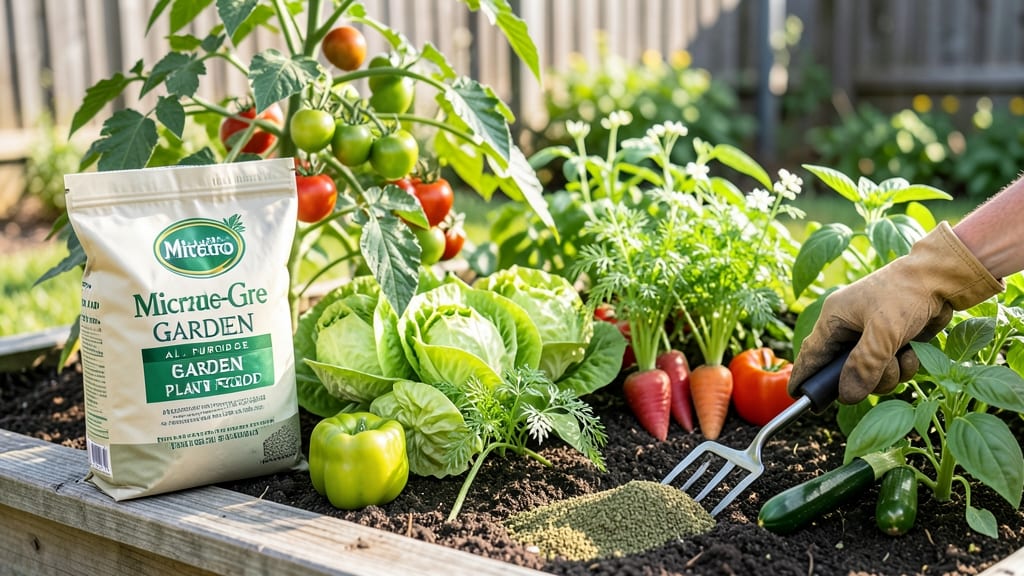
Miracle Gro for vegetable gardens provides rapid nutrient uptake through its balanced NPK formula, perfect for leafy vegetables and fruiting plants, while organic options may improve soil structure over time. Stick to the recommended application rates to prevent plant damage.
This fertilizer stands out because its water-soluble granules dissolve quickly, delivering essential nutrients directly to plant roots where they're needed most. 🌱 The NPK ratio (typically 24-8-16) ensures strong root development, lush foliage, and abundant flowering—critical for tomatoes, peppers, and leafy greens.
While it works fast, pairing it with compost can create a more sustainable soil ecosystem over multiple growing seasons.
For best results, apply Miracle Gro when plants are actively growing and water thoroughly after each use. Overuse can lead to leaf burn or salt buildup, so always follow package guidelines.
I've found that combining it with organic matter like worm castings gives my vegetable garden both immediate energy and long-term health.
💡 In This Article
- How Miracle Gro Balances Nutrients for Vegetable Growth
- Best Practices for Applying Miracle Gro in Vegetable Beds
How Miracle Gro balances nutrients for vegetable growth
Miracle Gro's signature formula works through its carefully calibrated NPK ratio—typically 24-8-16—which targets the three critical growth phases of vegetables.
The 24% nitrogen promotes vigorous leaf and stem development, essential for leafy greens like spinach or kale, while the 8% phosphorus supports robust root systems and early flowering in fruiting plants such as tomatoes and peppers.
The 16% potassium enhances disease resistance and overall plant vigor, helping vegetables withstand environmental stresses like heat or drought.
The water-soluble granule form is where this fertilizer truly shines. When dissolved in water, these granules break down almost instantly, allowing plants to absorb nutrients within 24-48 hours—far faster than slow-release options.
This rapid uptake is particularly valuable for container gardens or high-density planting where nutrients can be quickly depleted. For comparison, organic compost typically releases nutrients over 3-6 months, making Miracle Gro ideal for situations requiring immediate growth boosts, like transplant shock recovery or preparing plants for heavy fruiting.
What makes this ratio so effective is how it aligns with vegetable growth stages. Early in the season, when plants focus on leafy growth, the higher nitrogen content takes center stage.
As plants transition to flowering and fruiting, the phosphorus and potassium become more critical for fruit development and disease resistance. This staged nutrient delivery creates a natural progression that mirrors how vegetables grow, rather than overwhelming them with a single nutrient type.
However, this fast-acting nature comes with a trade-off. The soluble format means nutrients can leach away quickly in sandy soils or during heavy rains, requiring more frequent applications. Unlike slow-release fertilizers that feed plants gradually, Miracle Gro demands consistent monitoring to prevent nutrient imbalances.
I've noticed this most clearly with pepper plants—when I over-applied, the leaves developed crispy edges from salt buildup, while proper application resulted in plants bursting with fruit within 6-8 weeks. 🌱
For leafy vegetables, the nitrogen focus means you'll see dramatic improvements in leaf size and color within 10-14 days of application. The key is understanding that this isn't a "set it and forget it" solution—it's a tool for precise, targeted growth during critical periods.
Pairing it with organic matter creates the best of both worlds: immediate results from Miracle Gro combined with long-term soil health from compost or worm castings.
One often overlooked aspect is how this fertilizer interacts with soil pH. Miracle Gro works best in slightly acidic to neutral soils (pH 6.0-7.0). If your soil is more alkaline, the nutrients may become less available to plants, reducing effectiveness.
Testing your soil before application can save you from wasted fertilizer and disappointed plants. I recommend using a simple pH test kit before your first application to ensure you're getting maximum value from each bag.