
Tools
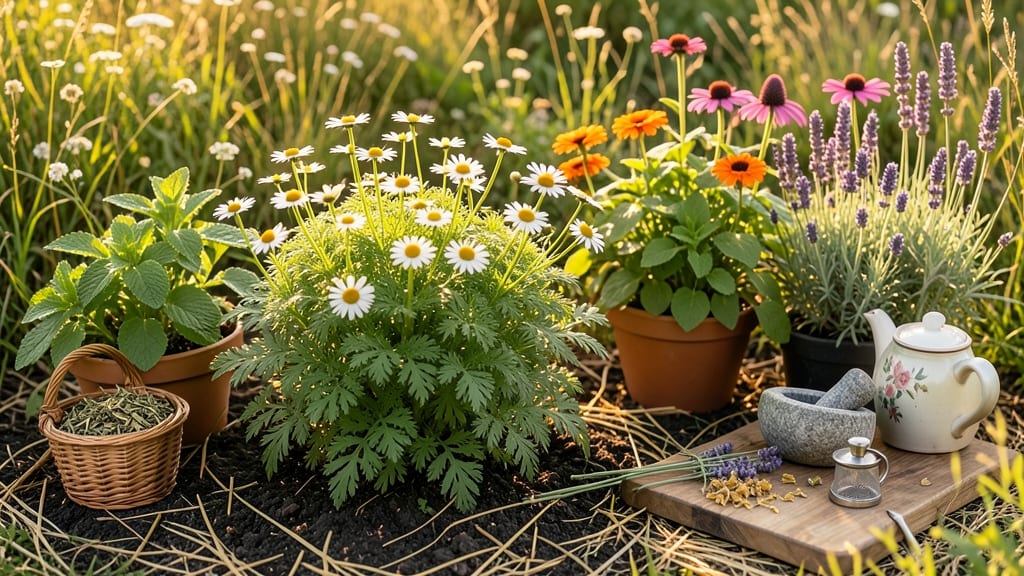
Creating a medicinal tea garden is simple with hardy herbs like peppermint, chamomile, and lemon balm that deliver stress relief, digestion support, and immune-boosting properties. Opt for shade-friendly varieties to minimize upkeep, and harvest leaves at peak maturity for the strongest therapeutic effects.
A medicinal tea garden isn't just about growing plants—it's about cultivating wellness. 🌿 The herbs I recommend thrive in partial shade, making them perfect for containers or garden corners where full sun isn't available.
Peppermint, for example, spreads quickly but stays contained in pots, while chamomile's delicate flowers make it a standout in any tea blend. The key is patience: most herbs need 6-8 weeks to reach full potency, so resist the urge to harvest too soon.
What sets these herbs apart is their versatility. Chamomile soothes nerves and aids sleep, while lemon balm fights stress and supports focus.
I always keep a small notebook by my garden to track which herbs perform best in my climate—this year, my thyme and rosemary thrived in the morning sun, while the lavender needed afternoon shade.
The beauty of starting small is that you can expand as you learn what works best for your space and health goals.
💡 In This Article
- How to Select and Grow Beginner-Friendly Medicinal Herbs
- Top 10 Medicinal Tea Herbs and Their Health Benefits
How to select and grow beginner-friendly medicinal herbs
Sunlight needs vary dramatically between herbs, so your first decision should be where you'll place your garden. Peppermint and lemon balm thrive in partial shade (3-6 hours of sunlight daily), making them perfect for north-facing garden beds or under large trees.
Chamomile, on the other hand, prefers full sun (6+ hours) but tolerates light shade, while lavender absolutely demands 6-8 hours of direct sunlight to prevent woody stems. The soil pH matters too—most medicinal herbs prefer slightly acidic to neutral soil (pH 6.0-7.0), though mint can handle more alkaline conditions.
Growth habits determine your spacing strategy. Peppermint spreads aggressively through underground runners, so plant it in containers at least 12 inches deep or dedicate a corner with borders to contain its spread.
Chamomile grows low to the ground (6-12 inches tall) and spreads 12-18 inches wide, while rosemary forms woody stems that need 2-3 feet of space between plants.
Planting times also vary: most herbs like spring or early fall planting, but perennial herbs like lavender establish best when planted in late spring after the last frost to avoid winter dieback.
Harvesting at the right time maximizes potency. For leafy herbs like peppermint and lemon balm, harvest just before flowering when the leaves contain the highest concentration of essential oils. Chamomile flowers should be picked when fully open but before they turn brown.
The best time to harvest is morning after the dew has dried but before the sun becomes too intense—this preserves volatile oils that evaporate in heat.
Store harvested leaves in paper bags in the freezer or dry them in small bundles hung upside down in a dark, well-ventilated space for up to 6 months.
Soil preparation is often overlooked but critical. Amend your garden soil with compost or well-rotted manure to improve drainage, as many medicinal herbs dislike soggy roots. A light mulch of straw or wood chips helps retain moisture while preventing weeds.
For container gardening, use a mix of 50% potting soil, 30% perlite, and 20% compost—this balance ensures good drainage while providing nutrients. The key is consistency: herbs prefer stable moisture levels rather than fluctuating wet/dry cycles that stress their roots.
Pest control differs from conventional gardening. Many medicinal herbs contain natural compounds that repel pests—lavender deters moths, while rosemary keeps mosquitoes away. However, aphids can still attack tender new growth. Combat them with a soapy water spray (1 tablespoon mild soap per quart of water) applied in the early morning.
Avoid chemical pesticides, as they can contaminate your harvest. Regular pruning also encourages bushier growth and better air circulation, reducing disease risk.
What most beginners don't realize is that companion planting can enhance growth and flavor. Pairing basil with oregano improves both plants' essential oil production, while thyme planted near cabbage deters cabbage moths.
For a medicinal tea garden, try grouping herbs with similar needs—chamomile and lavender together in sunny spots, or mint and lemon balm in shadier areas. This creates microclimates that support each plant's specific requirements while making your garden more productive.