
Advice
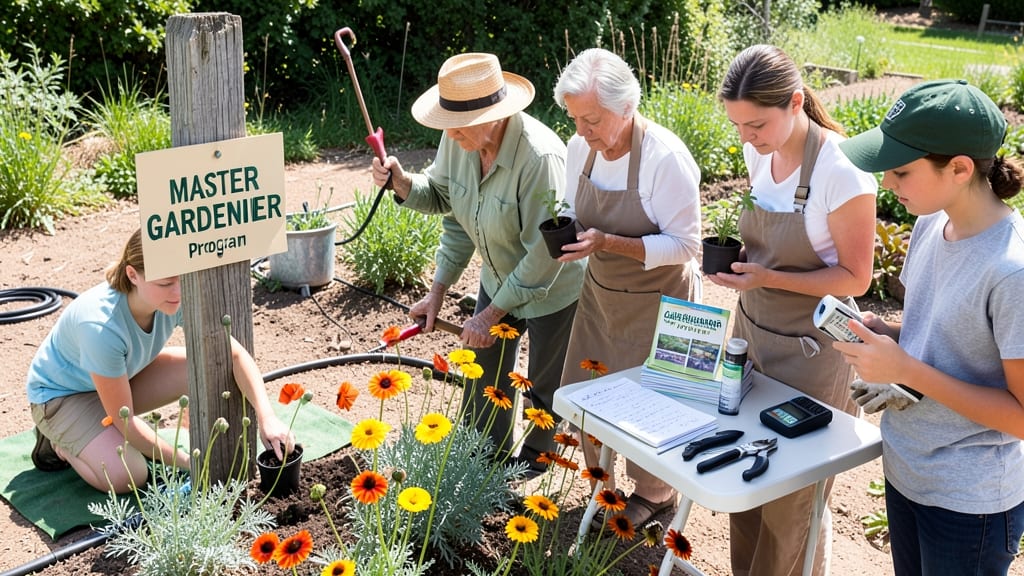
The Arizona Master Gardener Program trains volunteers to expand horticultural knowledge through education, research-based gardening, and community outreach, requiring 50+ hours of coursework and 50 hours of volunteer service annually. Applications open seasonally through University of Arizona Cooperative Extension offices in participating counties.
The Arizona Master Gardener Program is designed for passionate gardeners who want to give back while deepening their expertise. 🌱 This initiative through the University of Arizona Extension transforms volunteers into local horticultural leaders, covering everything from soil health to pest management.
What sets it apart is the hands-on approach—participants don't just learn theory, they apply it through real-world projects in their communities. Whether you're a backyard gardener or a landscape professional, this program offers structured learning that directly impacts Arizona's green spaces.
One of the program's standout features is its focus on sustainable practices, which aligns perfectly with Arizona's unique climate challenges. From water conservation techniques to native plant propagation, graduates gain skills that make an immediate difference in our desert ecosystems.
The volunteer requirement isn't just about hours—it's about building a network of knowledgeable gardeners who support each other and local agriculture initiatives.
💡 In This Article
- Arizona Master Gardener Program Training Curriculum
- How to Apply for Arizona Master Gardener Program
Arizona master gardener program training curriculum
The program's curriculum is structured to provide a comprehensive foundation in horticultural science tailored to Arizona's unique climate and environmental challenges.
Core topics include soil science, where participants learn to analyze soil composition, pH levels (typically 6.0-7.5 for optimal plant growth), and how to amend desert soils with organic matter.
The hands-on labs let you test real soil samples from local gardens, giving you tangible experience with tools like refractometers and soil probes.
Pest management is another critical focus, covering both chemical and biological controls. You'll study common Arizona pests like palmetto bugs and whiteflies, learning how to identify them at various life stages and implement integrated pest management (IPM) strategies.
The program emphasizes sustainable landscaping techniques that conserve water—a vital skill in our arid environment—including drought-tolerant plant selection and efficient irrigation systems that use 10-30% less water than traditional setups.
Plant pathology modules explore how to diagnose and treat diseases affecting Arizona's native and cultivated plants. You'll examine plant samples under microscopes to identify fungal infections, bacterial spots, and viral symptoms. The curriculum also includes botany basics, focusing on desert-adapted plants and their specific care requirements.
What's particularly valuable is the emphasis on research-based practices, ensuring everything you learn aligns with current scientific findings from the University of Arizona's agricultural research.
Beyond classroom instruction, the program features guest lectures from local experts, including arborists, urban foresters, and seed specialists. These sessions often highlight real-world applications, like how to properly prune desert willow trees or establish native seed mixes for erosion control.
The training culminates in a certification exam that tests your understanding of all course materials—this isn't just about memorization, but demonstrating how you'd apply knowledge in practical gardening scenarios.
What makes this curriculum especially effective is its balance between theory and practice. For example, when studying water conservation, you might work in a demonstration garden to install a drip irrigation system that delivers water directly to plant roots while minimizing evaporation.
This hands-on approach ensures you graduate with both the knowledge and confidence to implement what you've learned in your own gardening projects or volunteer work.
The program also covers community outreach strategies, teaching you how to effectively communicate gardening concepts to diverse audiences. This includes developing educational materials, leading workshops, and working with schools to create youth gardening programs.
Many graduates find this aspect particularly rewarding, as it allows them to directly impact their communities while continuing their own learning journey.