
Advice
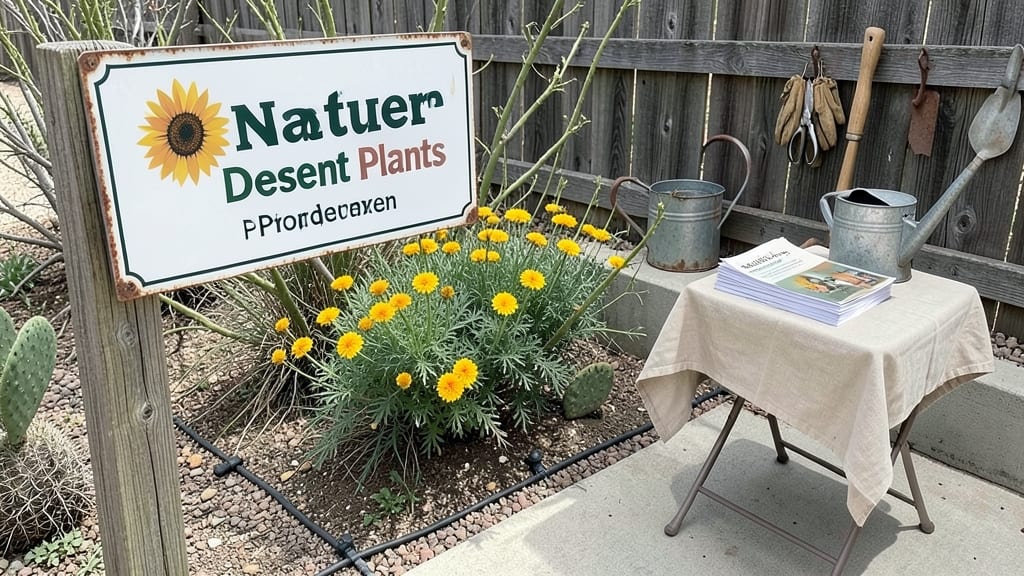
The Arizona Master Gardener Program trains volunteers to support sustainable gardening, pest management, and community education through University of Arizona Cooperative Extension. Participants complete 50+ hours of coursework and volunteer 50 hours annually, with costs typically covered by tuition fees or program sponsorships.
The Arizona Master Gardener Program is designed specifically for desert horticulture, making it ideal for Arizona's unique climate and plant challenges. 🌵 Participants dive into hands-on training covering soil science, plant health, and eco-friendly gardening techniques tailored to the Southwest.
Beyond the classroom, volunteers gain real-world experience through community projects like school gardens and urban farming initiatives, creating lasting environmental impact.
What sets this program apart is its focus on practical, actionable skills that directly benefit local communities. From diagnosing plant diseases to teaching sustainable gardening practices, graduates become trusted resources for homeowners and public spaces alike.
The program also fosters networking opportunities across Arizona's counties, connecting volunteers with like-minded enthusiasts and professionals.
Whether you're passionate about native plants or want to give back to your community, this program offers a structured path to make a difference. The combination of classroom learning and hands-on volunteer work ensures you'll walk away with both knowledge and experience that can transform Arizona's green spaces.
💡 In This Article
- How Arizona’s Master Gardener Program Works
- Volunteer Opportunities and Community Impact in Arizona
How Arizona’s Master Gardener program works
The Arizona Master Gardener Program stands out because its curriculum is meticulously tailored to the state's arid climate and unique desert ecosystems.
Unlike general gardening programs, this one dives deep into topics like soil chemistry in alkaline conditions (common in Arizona's caliche soils) and water conservation techniques that use less than 50% of traditional irrigation rates.
The core training spans 8-12 weeks with 50+ hours of instruction covering modules such as plant pathology, entomology, and sustainable landscaping—all through University of Arizona Cooperative Extension's research-backed materials.
What makes the certification process rigorous is the hands-on component. After completing the classroom portion, participants must pass a comprehensive exam covering 150+ questions on topics ranging from pest identification to soil amendments.
The exam isn't just theoretical—it includes practical scenarios like diagnosing cactus blight or palm weevil infestations, two critical threats in Arizona's landscape.
Once certified, graduates must maintain their status by completing 20 hours of continuing education every three years, ensuring their knowledge stays current with emerging desert horticulture challenges.
The program's structure also emphasizes real-world applications from day one. For example, trainees learn how to calculate evapotranspiration rates for desert plants—a skill that directly translates to helping homeowners reduce water usage by 30-40%.
The training includes field trips to research facilities like the Controlled Environment Agriculture Center in Tucson, where volunteers see hydroponic systems and drought-resistant crop varieties firsthand. This blend of theory and practice ensures graduates aren't just memorizing facts but gaining skills they can immediately apply to Arizona's specific gardening needs.
One often-overlooked aspect is how the program adapts to Arizona's seasonal variations. Winter modules might focus on cool-season vegetable gardening in the lower elevations, while summer sessions cover heat-stress management for desert plants.
The curriculum even includes specialized training for urban gardening challenges, such as dealing with monsoon-related fungal diseases or managing invasive species like buffelgrass. This seasonal specialization ensures volunteers are prepared to tackle whatever gardening challenges arise throughout the year.
For those wondering about the time commitment, the initial training requires about 10-15 hours per week for the duration of the course, with additional time for homework and exams.
The 50-hour annual volunteer requirement is designed to be flexible—participants can spread their hours across multiple projects or focus on one intensive effort, like helping establish a school garden or staffing a Master Gardener plant clinic.
This flexibility makes it accessible for both full-time professionals and retirees looking to give back.
The program's emphasis on community science is another standout feature. Volunteers contribute to real research projects, such as tracking pollinator populations or monitoring invasive species spread through the Early Detection and Rapid Response (EDRR) network.
This citizen science component not only benefits local ecosystems but also provides volunteers with data they can use to educate others about Arizona's unique environmental challenges. 🌵
What most people don't realize is how the program's structure creates a self-sustaining cycle of knowledge sharing. New graduates often mentor incoming trainees, creating a mentorship network that spans Arizona's counties.
This peer-to-peer learning ensures that best practices developed in one region—like drip irrigation techniques in Yuma—can be quickly adopted in others, such as Phoenix's urban heat islands. The result is a statewide network of gardening experts who are constantly learning from and supporting each other.