
Tools
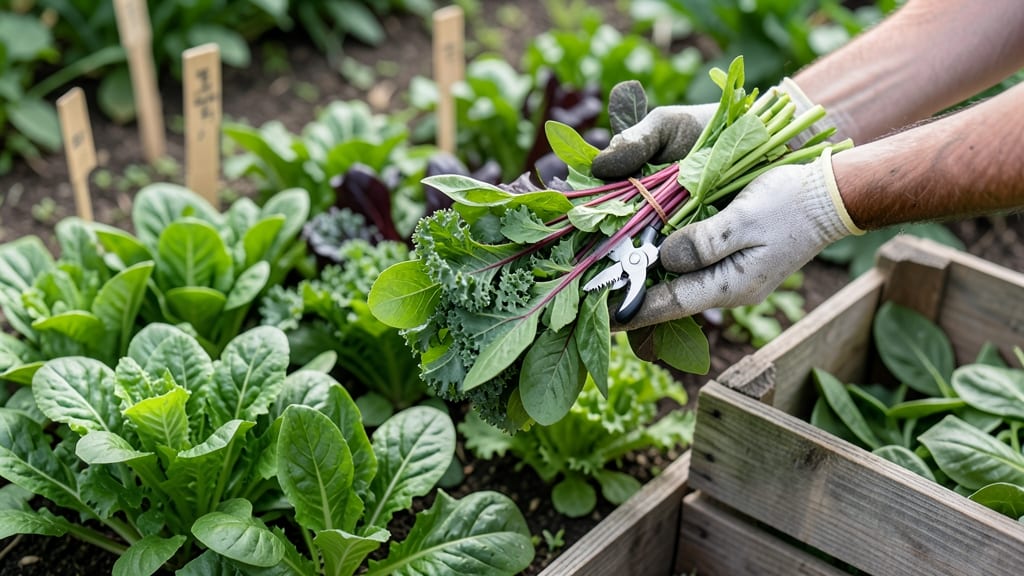
A market gardening definition highlights small-scale farming focused on high-value produce like vegetables, fruits, and herbs, designed for direct sales to local markets or restaurants through intensive, efficient methods.
This farming approach thrives on rapid crop turnover—think 3-4 harvests per year—by focusing on quick-growing plants like leafy greens and microgreens. 🌱 Unlike large-scale agriculture, market gardening often uses greenhouses or season extension techniques to produce year-round, ensuring consistent supply for customers.
The real secret lies in high-density planting and precise soil management, which cut labor costs while boosting profits per square foot.
What sets it apart is the direct-to-consumer focus. Instead of competing with industrial farms on price, market gardeners win by delivering fresher, more flavorful produce—often at a premium. Many even specialize in niche crops like heirloom tomatoes or specialty herbs to stand out in competitive local markets.
💡 In This Article
- Key Characteristics of Market Gardening Systems
- Choosing Crops for Successful Market Gardening
Key characteristics of market gardening systems
Market gardening sets itself apart from traditional farming through its high-density planting—often packing 10-20 plants per square foot in rows just 12-18 inches apart, compared to conventional spacing of 2-3 feet.
This tight arrangement maximizes yield per square foot while reducing water usage by up to 30% through efficient irrigation systems like drip lines.
The focus isn't on sheer volume but on profit per square foot, which is why market gardeners prioritize crops that sell for $5-$20 per pound—think specialty greens, heirloom tomatoes, or microgreens—rather than commodity crops like corn or soybeans.
The soil management here is a science in itself. Unlike large farms that rely on heavy machinery and synthetic fertilizers, market gardeners use biointensive techniques: composting, vermiculture (worm farming), and crop rotation that cycles through 3-4 different plant families per season to prevent soil depletion.
For example, planting nitrogen-fixing legumes like peas after heavy feeders like tomatoes replenishes the soil naturally. This approach not only cuts costs but also produces healthier, more flavorful produce—a key selling point for direct-to-consumer markets where taste and freshness matter most.
What truly defines market gardening is its year-round production strategy. While conventional farms follow seasonal cycles, market gardeners use greenhouses, low tunnels, and season extension tools like row covers to grow crops 12 months a year.
A well-managed greenhouse can produce 2-3 times more per square foot than open-field farming, and crops like lettuce or spinach can be harvested every 30-45 days with proper lighting and temperature control. This consistency ensures steady income streams, which is critical for small-scale operations competing with supermarkets.
Another standout feature is the polyculture approach—growing multiple crop varieties in close proximity to maximize space and reduce pest pressure. For instance, interplanting basil with tomatoes repels pests while enhancing flavor, a technique known as companion planting.
This contrasts with monoculture farming, where vast fields of a single crop dominate. The diversity in market gardening also creates built-in insurance: if one crop fails due to weather or pests, others often thrive, spreading risk across the operation.
Labor efficiency is another cornerstone. Market gardeners employ mechanical aids like raised beds, trellises, and automated irrigation to minimize physical strain. For example, a well-designed trellis system can reduce labor by 40% for vining crops like cucumbers or beans by keeping them off the ground.
The goal is to maximize output per hour worked, which is why tools like hoop houses and cold frames are staples—these extend growing seasons without requiring full greenhouse investments.
Finally, the direct sales model shapes every decision in market gardening. Unlike large-scale farms that rely on middlemen, market gardeners often sell directly to consumers at farmers' markets, CSAs (Community Supported Agriculture), or through restaurant partnerships. This proximity allows them to command premium prices for ultra-fresh, locally grown produce.
For instance, a head of romaine lettuce might sell for $3-$5 at a market gardening stand versus $1.50 at a grocery store—because customers pay for convenience, flavor, and the story behind the food.
At its core, market gardening is about working smarter, not harder—leveraging science, space, and direct relationships to turn small plots into profitable ventures. The numbers don’t lie: a well-run market garden can generate $10,000-$50,000 per acre annually, far outpacing traditional row crops. 💫