
How To
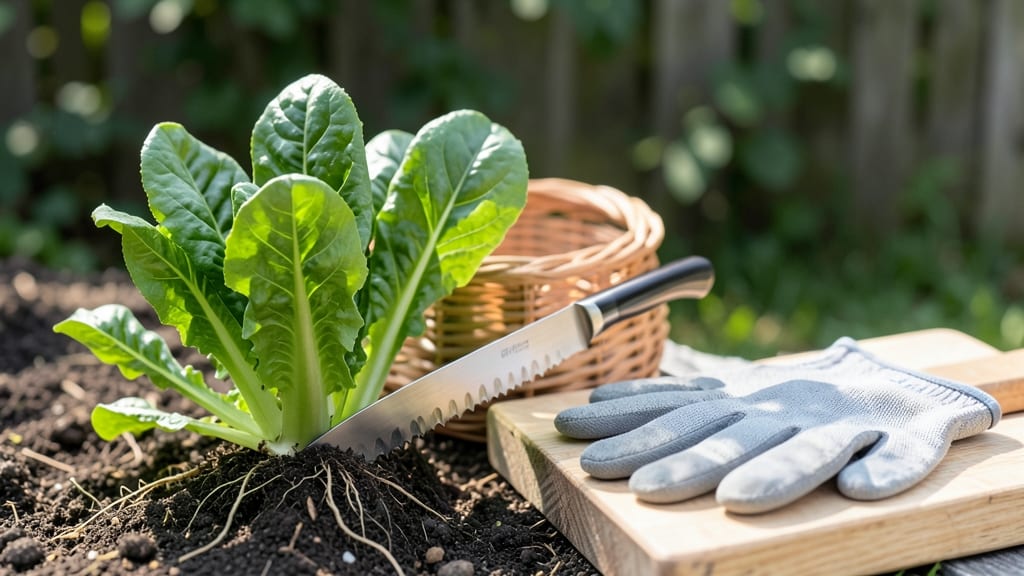
Harvesting romaine lettuce 🥬 from your garden at the right time means crisp, flavorful leaves instead of bitter bolts—here’s exactly when and how to do it.
Romaine lettuce thrives when you know the exact moment to harvest—too early, and you lose crispness; too late, and it bolts into bitter seeds. Mastering this 6-inch rule and 3 key visual cues can mean the difference between restaurant-quality greens and disappointing salads.
Most gardeners miss the window because they focus on days after planting instead of leaf size or firmness. The secret? Watch for leaves that hit 6 inches long, deep green color, and a sturdy upright stance—those are your ready signs.
Below, I’ll walk you through the step-by-step cutting method to keep your romaine producing for weeks, plus how to store it so it stays fresh longer than store-bought bags. No more wasted harvests!

When to harvest romaine lettuce: the 6-Inch rule & 3 visual signs
Harvesting romaine lettuce at the perfect moment transforms your garden into a crisp, flavorful salad factory. The 6-inch rule is your golden metric—when outer leaves reach 6-8 inches, they’re prime for cutting.
But size isn’t everything; you’ll also need to watch for 3 key visual cues that signal peak readiness.
Why does timing matter? Premature harvesting means tender, underdeveloped leaves, while waiting too long risks bolting—when your lettuce shoots up flower stalks and turns bitter. Master these signs, and you’ll enjoy restaurant-quality greens straight from your backyard for weeks.
Here’s how to spot the perfect harvest window using leaf size, color, and texture—plus a quick reference table to keep handy while you garden.
| Harvest Cue | What to Look For | Action |
|---|---|---|
| Leaf Size | Outer leaves reach 6-8 inches long | Harvest outer leaves first |
| Leaf Color | Deep, vibrant green (no yellowing or browning) | Avoid if leaves fade |
| Leaf Texture | Firm, crisp edges (not floppy or wilted) | Harvest in cool mornings |
| Plant Structure | Upright, tight rosette (no flower stalks) | Remove entire head if bolting starts |
First, focus on the 6-inch rule. Measure the length of the longest outer leaves—when they hit 6-8 inches, they’re ready. This rule works for both loose-leaf and head-forming romaine varieties, though head types may need a slightly longer wait (up to 10 inches for full heads).
Next, check the color and crispness. Ideal romaine leaves should be a deep, glossy green—no pale or yellowing edges. Run your thumb along the leaf edge: it should feel firm, not mushy.
If leaves feel floppy or wilt, wait a few days or check your watering schedule—lettuce needs consistent moisture but hates soggy soil.
Watch for bolting signs, too. If your romaine sends up tall, thin stalks (flower stems), it’s past its prime. Bolting happens when lettuce senses heat stress or long days. To delay it, plant shade cloth in summer or opt for heat-tolerant varieties like ‘Jericho’ or ‘Parris Island’.
Pro tip: Harvest outer leaves first to encourage regrowth. Use a sharp knife or clean scissors to cut just above the lowest set of leaves. This method keeps your plant producing for 4-6 weeks longer than cutting the whole head at once.
Timing also depends on the season. In spring or fall, romaine grows fastest, so you’ll harvest every 2-3 weeks. During hot summers, growth slows—expect bolting risks and harvest only the largest leaves to avoid stressing the plant.
Avoid these common mistakes: cutting too close to the base (damages the crown), harvesting in direct sunlight (leaves wilt faster), or ignoring pest damage (chewed leaves won’t regrow well). Always harvest in the early morning when leaves are crispest.
With these cues, you’ll turn your romaine into a continuous harvest machine. Start with the 6-inch rule, double-check the 3 visual signs, and soon you’ll be serving homegrown salads all season long. 🥬
Step-by-step harvesting techniques for maximum yield & regrowth
Harvesting romaine lettuce at the right time and using the proper technique ensures you get crisp, flavorful leaves while encouraging your plant to keep producing.
The key is to cut strategically—never removing more than one-third of the plant at once—and always using clean, sharp tools to avoid damaging the stem or leaves. I’ve learned that even a small nick can invite pests or disease, so always prioritize precision over speed.
Start by selecting the outer leaves first—these are fully mature and ready for harvest while the inner leaves continue growing. This method, called cut-and-come-again harvesting, keeps your romaine lettuce producing for weeks.
Avoid cutting into the heart of the plant, as this can stunt regrowth or cause the plant to bolt prematurely. Instead, focus on the larger, more developed leaves.
Use a sharp pair of garden scissors or a clean chef's knife to avoid crushing leaves. Dull tools cause jagged cuts that invite rot.
Focus on outer leaves that are 6-8 inches long and deep green. Avoid cutting leaves shorter than 4 inches, as they’re still growing.
Angle the cut just above a leaf node (the bump where leaves attach) to encourage new growth from that point. Keep cuts 1-2 inches from the base.
Never cut into the heart of the plant. The inner leaves should remain undisturbed to keep producing. Remove only 1/3 of the plant per harvest.
Pick leaves when they’re cool and crisp, typically between 7-9 AM. Morning harvests stay fresher longer and taste sweeter.
After cutting, water deeply and apply a light mulch to retain moisture. Fertilize with a balanced 5-10-10 mix if leaves are pale.
One of the biggest mistakes I see gardeners make is cutting too close to the base or harvesting too aggressively. This can shock the plant and trigger bolting—the process where lettuce sends up a bitter flower stalk.
To avoid this, always leave at least 4-6 inches of growth at the base and never remove more than one-third of the plant in a single session. Patience pays off!
After harvesting, rinse your romaine leaves in cool water to remove dirt, then pat them dry with a clean towel or salad spinner.
Store them in the crispest drawer of your fridge (usually the one with the highest humidity) wrapped in a damp paper towel to maintain freshness for up to 5-7 days.
If your plant looks wilted after harvest, give it a shallow watering and place a shade cloth over it for a few days to help it recover.
With the right technique, a single romaine lettuce plant can produce enough leaves for multiple harvests over several weeks. I’ve had my own plants yield enough for 10+ salads from one initial planting!
The secret is consistency—harvest regularly, avoid over-trimming, and your romaine will reward you with a steady supply of crisp, flavorful greens all season long.