
Vegetables
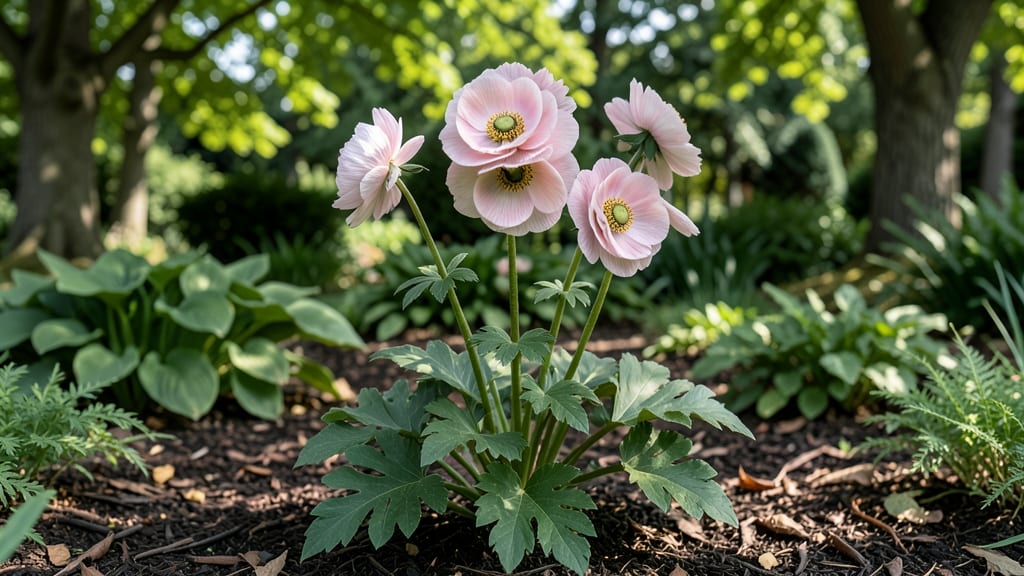
Visiting Longwood Gardens in September reveals vibrant fall foliage, the iconic Main Fountain Show’s seasonal displays, and rare orchid exhibits while avoiding summer crowds—ideal for photography and serene strolls through the woodlands and conservatories.
September transforms Longwood Gardens into a photographer's paradise, when golden oaks and fiery maples create a stunning backdrop for the Main Fountain Show's seasonal displays. 🍂 The Woodland Garden paths become especially magical during this time, offering quiet escapes from the summer bustle while showcasing nature's best autumn palette.
Beyond the foliage, the orchid exhibits—including rare species—peak in September, providing a perfect indoor contrast to the crisp outdoor scenery.
What makes September stand out is the balance of activity and tranquility. While the iconic fountain displays remain a highlight, the month also features special harvest festivals and behind-the-scenes conservatory tours that reveal the gardens' meticulous care.
Pro tip: Visit early in the morning or on weekdays to experience these seasonal wonders without the holiday-season crowds that arrive later in the year.
💡 In This Article
- Why September Is the Best Time for Fall Foliage at Longwood Gardens
- Must-See September Events and Hidden Trails at Longwood Gardens
Why September is the best time for fall foliage at Longwood gardens
The vibrant colors of September at Longwood Gardens aren't just random—they're the result of precise botanical timing. During this month, sugar maples (Acer saccharum) and red oaks (Quercus rubra) reach their peak foliage intensity.
As days shorten, chlorophyll breaks down, revealing carotenoids (yellows and oranges) and anthocyanins (reds/purples) that create the stunning palette. The gardens' carefully selected species—like the Japanese maples (Acer palmatum)—produce deeper hues because they thrive in the region's slightly acidic soil, which enhances pigment production.
Temperature plays a crucial role too. September's average highs of 72°F and lows around 55°F create ideal conditions for leaf transformation without premature leaf drop. The gardens' microclimates—created by their 1,000-acre landscape—allow different species to peak at slightly different times, extending the color season.
For example, the 300-year-old oak alleys turn russet by mid-September, while the Japanese maple collection in the Conservatory Garden peaks two weeks later. 🍁 This staggered display means visitors see continuous color shifts throughout the month.
The gardens' design amplifies these natural processes. Strategic plant placement creates "color layers"—low shrubs like smoke bush (Cotinus)* frame taller trees, while the 10-acre Woodland Garden uses understory plants to reflect autumn hues upward.
The famous Main Fountain Show becomes a focal point where seasonal displays (like pumpkin arrangements in September) contrast beautifully with the fiery foliage. This thoughtful curation makes Longwood Gardens' autumn colors more dramatic than many natural forests.
Lighting conditions in September also enhance the experience. The 45-degree sun angle during late afternoon casts golden light through the leaves, creating that iconic "happy hour" glow. The gardens' team even adjusts their 2,000+ landscape lights to highlight foliage paths after sunset.
This combination of natural timing and human design creates a foliage experience that lasts longer and looks more vibrant than in most natural settings.
What most visitors don't realize is how the gardens' 12,000+ plant species are selected specifically for fall color duration. While many public gardens rely on a few showy species, Longwood Gardens includes 20+ maple varieties that bloom at different times.
This diversity means you'll see bright reds, oranges, and yellows simultaneously—a visual effect that lasts 4-6 weeks longer than in typical forests. The result? A foliage season that feels both wild and meticulously crafted.
For photographers, September offers the perfect balance of color and light. The early morning dew—combined with the crisp autumn air—creates that signature "autumn mist" effect in photos.
Pro tip: The Woodland Garden's "Sunken Garden" path provides natural framing for foliage shots, while the Conservatory's glasshouse—with its 100-foot tropical trees—offers indoor-outdoor contrast opportunities that are unique to this time of year. 📸