
Tools
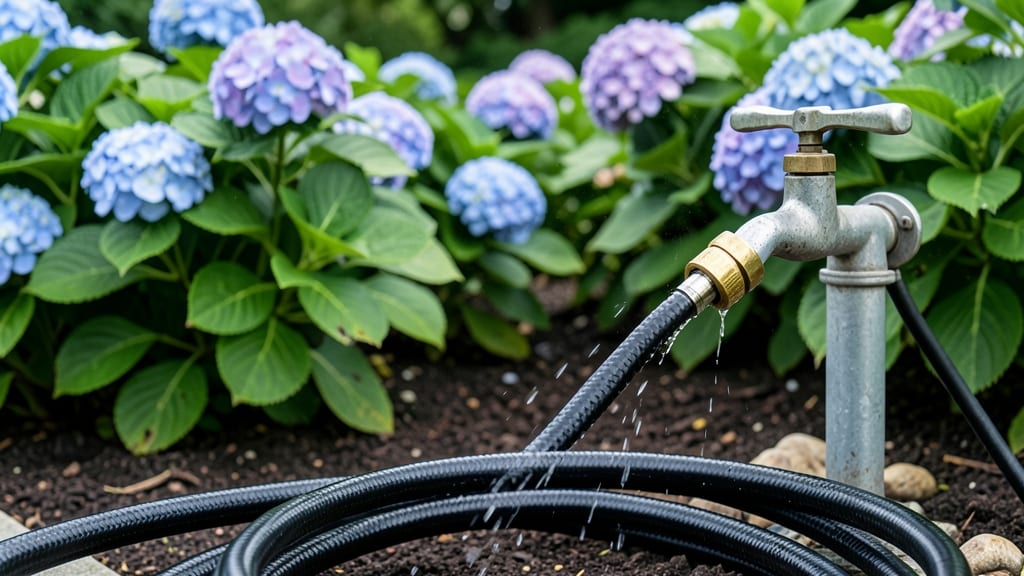
Testing for lead in garden hoses requires checking for brass fittings or soldered connections, as these often contain lead. Removal involves replacing old rubber hoses with lead-free PVC or polyethylene options, and you should always use EPA-certified materials to prevent contamination.
Older garden hoses, especially those with brass fittings or soldered connections, can leach lead into your water supply over time. 🔥 The problem worsens with age, as the rubber deteriorates and releases toxic metals.
I recommend testing your hose by running water through it for 30 seconds and checking for a metallic taste or discoloration—this often signals lead presence. For peace of mind, opt for hoses labeled "lead-free" and made from polyethylene or PVC, which are safer alternatives.
If you're unsure about your current hose, consider a simple DIY test: soak a cotton swab in vinegar, rub it along the fittings, then place it on a lead test strip.
A positive result means immediate replacement is needed. 💫 The EPA advises against using hoses with lead for irrigation, as contaminated water can harm plants and leach into soil, eventually entering your home's water system.
💡 In This Article
- How Lead Enters Garden Hoses and Irrigation Systems
- Safe Lead-Free Garden Hose Materials and Installation Tips
How lead enters garden hoses and irrigation systems
Lead sneaks into garden hoses primarily through two pathways: the brass fittings and soldered connections. Older hoses often use brass fittings that contain up to 80% lead by weight, especially those manufactured before 2014 when stricter regulations took effect.
When water flows through these fittings, even at low pressure, microscopic lead particles can leach into your irrigation water. The process accelerates with age as the brass corrodes, releasing more lead over time.
The second major source is the solder used to join copper pipes in irrigation systems. Pre-1986 solder often contained 50-90% lead, and even newer solder may still have traces. When water passes through these soldered joints, the lead dissolves into the water stream.
You might notice this as a faint metallic taste or cloudy appearance in water after running the hose for a few minutes. The EPA warns that even low levels of lead exposure—like those from contaminated irrigation—can accumulate in soil and eventually enter your home's water supply through plants or runoff.
Rubber hoses themselves can also contribute to lead contamination, though less directly. Over time, the rubber degrades and absorbs metals from the water or fittings, which then leach back into your irrigation system. This is why hoses older than 5-7 years should be inspected regularly.
The risk isn't just theoretical: studies show that garden hoses connected to municipal water systems can deliver lead concentrations 5-10 times higher than the EPA's safe limit of 0.015 ppm in drinking water.
What makes this especially concerning is how lead behaves in irrigation systems. Unlike drinking water, where contamination is immediate, lead in garden hoses often builds up in the soil.
Plants absorb lead through their roots, and when you harvest vegetables like lettuce or carrots, those metals can end up on your dinner plate. The EPA estimates that 1 in 4 homes with older irrigation systems has detectable lead levels in garden soil, creating a hidden health risk.
To visualize the problem, think of your garden hose like a slow-release lead factory. The brass fittings act as the "smokestack," while the rubber hose serves as the "storage tank" for accumulated metals.
Even if your tap water tests clean, running it through a contaminated hose can turn it toxic in minutes. That’s why the EPA recommends flushing garden hoses for 30 seconds before use—though this only reduces, not eliminates, the risk.
Here’s the kicker: lead doesn’t just harm humans. It also stunts plant growth, alters soil pH, and can kill beneficial microbes. You might notice yellowing leaves, stunted roots, or poor flowering in plants watered with contaminated hose water. The damage is often irreversible, making prevention the only safe option. 💫