
Tools
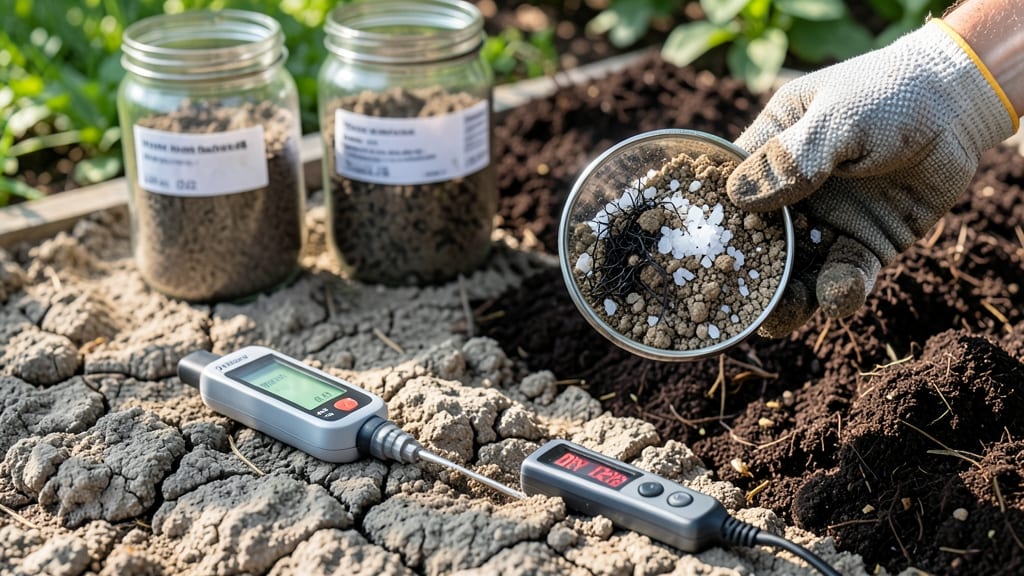
Garden soil does go bad over time, losing nutrients, structure, and microbial activity after 3–5 years. Stale soil compacts, repels water, and fails to support healthy plant growth, requiring amendments or replacement to restore fertility and aeration.
Soil degradation happens naturally as organic matter breaks down and beneficial microbes decline. 🌱 Over time, this leads to a hard, dense layer that smothers roots and prevents water absorption.
I’ve seen gardens where plants struggle to grow despite regular watering—turns out, the soil had become so compacted that roots couldn’t expand. Testing soil pH and texture can reveal whether it’s time for a refresh or full replacement.
Even if your soil looks fine, hidden issues like nutrient depletion or chemical buildup can harm plants. For example, over-fertilization can create a toxic environment, while lack of organic material reduces water retention.
The key is observing plant health—wilting, yellowing leaves, or stunted growth often signal soil problems before they’re visible to the naked eye.
💡 In This Article
- Signs Your Garden Soil Has Gone Bad
- How to Refresh or Replace Old Garden Soil
Signs your garden soil has gone bad
When soil loses its vitality, it sends clear visual and functional warnings. One of the first signs is hardpan formation—a dense, compacted layer just below the surface that forms when organic matter decomposes and particles pack tightly together.
This layer can be as thick as 2-3 inches and feels like concrete when dry. Roots struggle to penetrate, leading to stunted plant growth even with proper watering. Another red flag is foul odors, often a sulfur-like smell indicating anaerobic conditions where microbes die off due to poor aeration.
Poor drainage is another major clue that soil has degraded. Healthy soil absorbs water like a sponge, but stale soil repels moisture, causing puddles to sit on the surface or water to run off entirely.
You might also notice few to no earthworms—these creatures thrive in nutrient-rich soil and their absence signals declining microbial activity. 🌱 The lack of worms means fewer nutrients are being recycled, and plants miss out on essential minerals like nitrogen and phosphorus.
Even the color changes: fresh soil has a dark, crumbly appearance, while degraded soil looks pale, dusty, and lifeless.
Plants growing in bad soil often exhibit stress symptoms before the soil itself looks problematic. Wilting despite adequate water, yellowing leaves (chlorosis), or stunted growth are classic signs of nutrient deficiencies or poor root development.
For example, tomatoes in degraded soil may produce fewer fruits or develop blossom-end rot due to calcium deficiency. The key is to observe these patterns: if multiple plants in the same area struggle, the soil—not the plants—is likely the issue.
Chemical imbalances also play a role. Over time, soil can develop salt buildup from fertilizers or irrigation water, creating a toxic environment for roots. A simple DIY pH test (using vinegar or baking soda) can reveal if your soil is too acidic or alkaline.
Healthy soil typically has a pH between 6.0 and 7.0—outside this range, essential nutrients become locked away, making them unavailable to plants. Even the texture changes: good soil should crumble easily when dry and hold moisture without becoming soggy.
Microbial decline is the silent killer of soil health. Beneficial bacteria and fungi break down organic matter, but their populations dwindle as nutrients deplete. Without them, plants can’t access nutrients efficiently, even if they’re present in the soil.
You might not see these microbes, but their absence explains why amendments like compost or manure suddenly make a dramatic difference in plant vitality. 💫 The soil’s ability to support life—from microbes to plants—depends on this invisible ecosystem.
One often-overlooked sign is increased weed growth, especially broadleaf weeds like dandelions. Weeds thrive in disturbed or nutrient-poor soil because they’ve adapted to compete in harsh conditions.
While they might seem like a nuisance, their presence can indicate that the soil’s natural balance has been disrupted, leaving it vulnerable to invasion by hardy, low-nutrient plants.