
Flowers
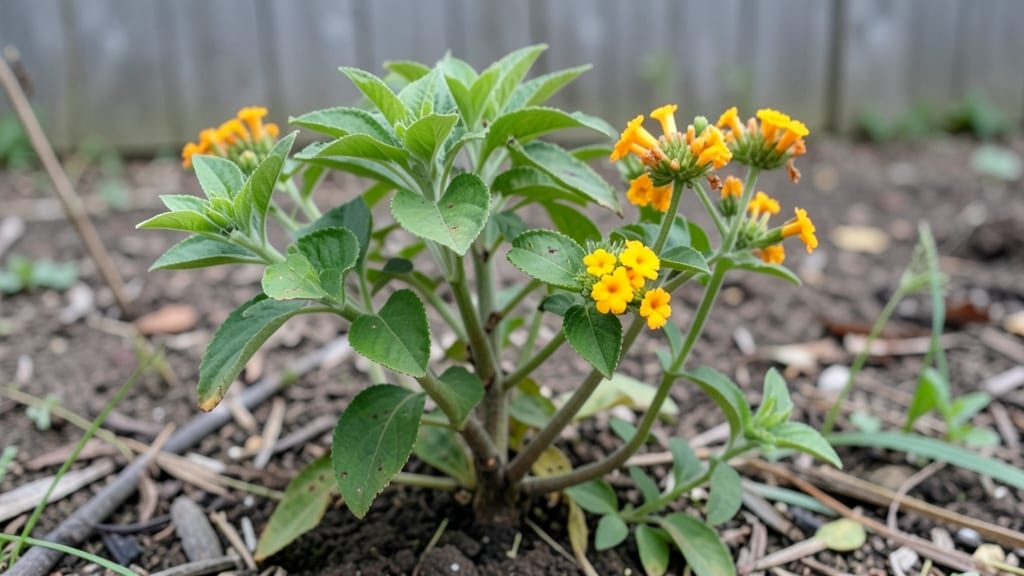
Lantana in garden is the secret weapon for gardeners who want bold color without the upkeep—I’ve got mine blooming from May until frost, and they thrive on neglect.
The first time I saw a lantana bush covered in clusters of tiny flowers in every shade from yellow to purple, I knew I’d found my go-to plant for sunny spots. It’s not just pretty; it’s practically indestructible.
You’ll need a spot with full sun (at least 6 hours daily) and well-draining soil—lantana hates soggy roots. That’s it. No fancy fertilizers, no deadheading (though you can if you’re feeling fancy), and no fussing over pests.
These plants handle heat, drought, and even deer browsing better than most annuals I’ve tried. My 3-foot-tall bush in a 5-gallon container still blooms like crazy.
What you get is a nonstop floral show that hummingbirds and butterflies can’t resist. The flowers may look delicate, but they’re tough enough to bounce back after a late frost or a hungry caterpillar.
Plus, they self-seed lightly, so you’ll likely get free plants popping up where you didn’t even plant them. It’s the kind of plant that makes gardening feel effortless.
Works just as well in ground beds, containers, or hanging baskets—I’ve seen them used as ground covers in hot, dry climates too. If you want color that lasts and a plant that won’t complain, this is it. Let’s get yours planted!
📚 In This Guide
- What you need
- Instructions
- Tips and common mistakes
- Wrapping up and next steps
What you need
- ● Lantana plants: 1–3 nursery-grown Lantana camara plants (choose varieties like ‘New Gold,’ ‘Bandana,’ or ‘Miss Huff’ for color variety).
- ● OR 1 packet of lantana seeds (if starting from scratch—germination can be slow!).
- ● Well-draining soil: 5–10 bags of cactus/succulent mix (or amend garden soil with perlite/coarse sand for aeration).
- ● Containers or garden bed: For pots: 5–10-gallon containers with drainage holes (1 plant per pot).
- ● For in-ground: Full sun spot (6+ hours/day) with loose, rocky soil (lantana hates soggy roots!).
- ● Fertilizer: 1 lb of balanced 10-10-10 granular fertilizer (or slow-release pellets).
- ● Pruning shears: Sharp, bypass-style shears (for shaping and propagation).
- ● Watering can or hose: With a gentle spray nozzle (lantana dislikes soggy soil!).
- ● Mulch (gravel or pine bark) to retain heat and deter weeds.
- ● Slow-release flowering plant food (like Osmocote) for extra blooms.
- ● Stakes or cages (if growing tall varieties like ‘Lemon Lantana’).
- ● Butterfly/bee attractant plants (like milkweed or salvia) to pair nearby.
- ● Gloves (lantana leaves can be slightly prickly—though not dangerous!).
How to plant and maintain lantana for nonstop color
Here's the straightforward approach I use to keep lantana blooming like clockwork—no deadheading, no fuss.
Choose the Perfect Sunlit Spot
Lantana thrives in full sun, so pick a location that gets at least 6-8 hours of direct sunlight daily. The more sun, the more vibrant those signature clusters of blooms will be. I always test a spot by observing how much light it gets before planting—watch for shadows cast by trees or buildings at different times of day.
Well-draining soil is critical. If your garden soil feels heavy or stays damp for more than a day after rain, amend it with 2-3 inches of compost mixed into the top 12 inches of soil. Lantana roots need air, and soggy conditions will rot them faster than you can say "wilted leaves."
Plant at the Right Depth and Spacing
Dig a hole twice as wide as the root ball but only as deep. This prevents burying the stem, which can cause rot. Gently remove the plant from its container and loosen any circling roots with your fingers—this encourages outward growth instead of a tangled mess underground.
Space plants 2-3 feet apart for a full, bushy look. Closer spacing works if you want a dense hedge, but you'll need to prune more often. I like the air circulation—it keeps pests away and prevents fungal issues. Water deeply right after planting to settle the soil around the roots.
Water Smartly for Strong Roots
Water once a week during the first month, letting the soil dry out completely between waterings. You'll know it's time when the top 2 inches of soil feel dry to the touch. Overwatering is the fastest way to kill lantana—it's drought-tolerant once established, but young plants need consistent moisture to root.
After the first month, cut back to watering every 2-3 weeks, unless your area experiences extreme heat or drought. Mulch around the base with 2 inches of shredded bark to retain moisture and keep roots cool. Just don't pile mulch against the stem—leave a 2-inch gap to prevent rot.
Prune for Shape and More Blooms
Light pruning after the first flush of blooms encourages bushier growth and nonstop flowers. Use clean, sharp shears to trim back one-third of the plant in early summer. Cut just above a leaf node or set of leaves—this is where new growth will sprout. You'll see fresh shoots within 2-3 weeks if you've cut at the right spot.
Don't worry if it looks messy at first. Lantana recovers quickly, and the new growth will fill in fast. I prune again in late summer to shape the plant and remove any leggy stems. Frost-sensitive varieties may need a light trim in fall to protect tender growth, but hardy types can stay outside year-round in mild climates.
Feed and Protect for Long-Term Health
Apply a balanced 10-10-10 fertilizer in early spring, using 1 tablespoon per plant. This gives them a gentle boost without overstimulating leafy growth at the expense of flowers. I skip fertilizer in fall—lantana needs to rest and store energy for next year's blooms.
Watch for pests like aphids or spider mites, which love lantana's tender new growth. A strong spray of water usually knocks them off, but for stubborn infestations, I use neem oil mixed with water. Deadhead spent blooms occasionally if they bother you, but lantana often self-cleans—new buds form so quickly that old flowers drop on their own.
Tips & tricks for perfect lantana maintenance
These simple strategies will help your lantana thrive with minimal effort and maximum blooms.
Sunlight Secret: While lantana loves full sun, I've found that morning sun with afternoon shade works surprisingly well in hot climates. If you notice leaves turning yellow or crispy edges, your plant might be getting too much intense afternoon sun. Try moving it to a spot with dappled shade during the hottest hours—you'll still get plenty of blooms without the stress.
Soil Test Tip: Before planting, do this quick soil check: Dig a small hole about 6 inches deep and fill it with water. If the water drains away within 2 hours, your soil drains well. If it's still standing after 4 hours, amend with more compost or consider planting in raised beds. Proper drainage is the single most important factor for lantana's health.
Pruning Timing: The early summer pruning in Step 4 is your chance to shape the plant while encouraging new growth. I like to do this right after the first big flush of blooms fades—this gives the plant time to recover before summer heat sets in. For a bushier look, cut back to just above a set of leaves where you want new growth to emerge. You'll see fresh shoots appearing within 2-3 weeks as promised.
Watering Wisdom: That first month is critical for root establishment, so stick to the once-a-week watering schedule unless you're in extreme heat. I've learned the hard way that skipping this step leads to weak roots that can't support the plant's flowering needs. After the first month, let the soil dry completely between waterings—lantana's drought tolerance comes from strong roots, not neglect.
Pro Tips for Lantana In Garden
- These simple strategies will help your lantana thrive with minimal effort and maximum blooms.
- Sunlight Secret: While lantana loves full sun, I've found that morning sun with afternoon shade works surprisingly well in hot climates.
- Soil Test Tip: Before planting, do this quick soil check: Dig a small hole about 6 inches deep and fill it with water.
Frequently asked questions
How do I keep my lantana plants blooming all season?
Lantana thrives on sunlight and regular pruning! Deadhead spent blooms to encourage new flowers, and trim back leggy growth in early spring. Fertilize lightly with balanced plant food every 4-6 weeks for a nonstop show. In cooler climates, mulch around the base to protect roots—this keeps them blooming until frost!
Is lantana easy to grow from seeds vs. buying young plants?
If you’re patient, growing from seed is doable but slower! Seeds take 10-21 days to germinate and need warmth (70°F+). For faster results, buy nursery-grown plants—they’re already established and bloom within weeks. Pro tip: Start seeds indoors in late winter for a head start!
Why does my lantana have yellow leaves? What should I do?
Yellow leaves often mean overwatering or nutrient deficiency! Check soil moisture—lantana prefers well-draining soil and hates soggy roots. If leaves are pale yellow, add a balanced fertilizer. For sudden yellowing, inspect for pests (aphids, spider mites) or fungal issues (like powdery mildew). Prune affected leaves and adjust care!
Can I grow lantana in containers? What size pot works best?
Lantana is perfect for containers—just pick a pot with drainage holes (5+ gallons for medium plants). Use a lightweight, fast-draining potting mix. Place in full sun and water when the top inch of soil feels dry. Bonus: Containers make lantana mobile—move them indoors (near a sunny window) in winter if needed!
Are there lantana alternatives for pollinators if I want low-maintenance flowers?
If lantana’s invasive reputation concerns you, try these pollinator-friendly alternatives:
- Zinnias – Bright blooms, drought-tolerant, and easy to deadhead.
- Salvia – Attracts bees and hummingbirds with minimal fuss.
- Cosmos – Self-seeds and thrives in poor soil.
- Black-Eyed Susan – Hardy, long-blooming, and native-friendly.
All need full sun and little care—just like lantana!
Wrapping up and next steps
Lantana is the ultimate low-maintenance superstar for vibrant, long-lasting blooms that bring joy with minimal effort. Whether you're a seasoned gardener or just starting, its drought tolerance, pest resistance, and cheerful colors make it a must-have for any garden. Ready to transform your outdoor space? 🌸
Start by planting a few lantana varieties this season—your garden (and pollinators!) will thank you. Need inspiration? Browse our guide to lantana care or explore colorful companion plants to pair with your new favorites.