
Pests
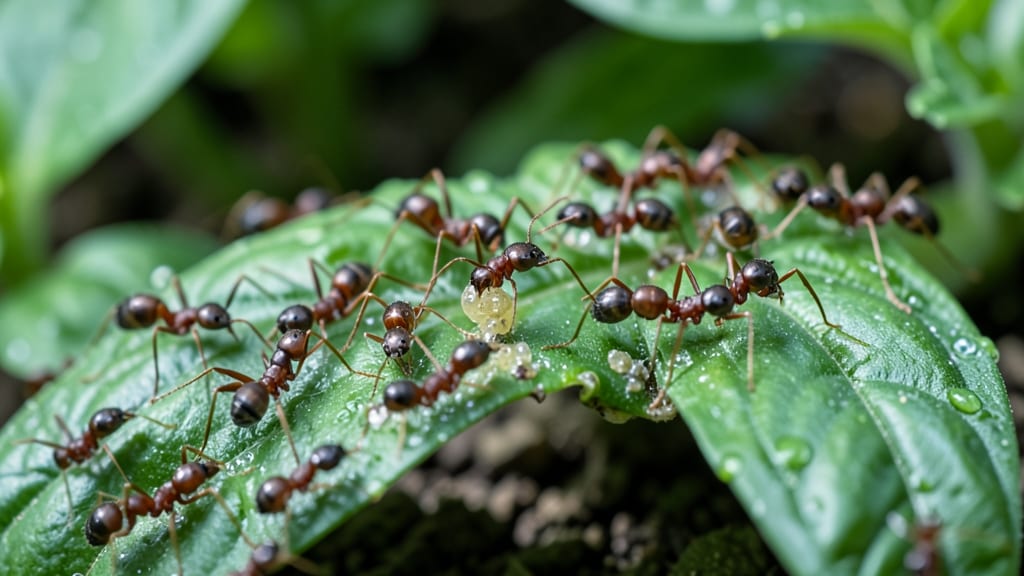
Having ants in your garden isn't always bad—they help aerate soil, control pests like aphids, and fertilize plants with organic matter, but aggressive species or large colonies can damage roots or attract nuisances like carpenter ants.
Ants actually play a crucial ecological role in most gardens by breaking down organic matter and creating tunnels that improve soil drainage. 🔥 However, their presence can become problematic when certain species like fire ants or carpenter ants establish large colonies, which may disrupt plant roots or create unsightly mounds.
The key is identifying whether the ants are beneficial workers or potential pests based on their behavior and species type.
For example, harvester ants help control weeds by consuming seeds, while Argentine ants can spread disease between plants. Understanding these distinctions helps gardeners decide when to intervene with natural remedies like diatomaceous earth or when to simply appreciate their helpful presence.
I always recommend observing ant activity for a week before taking action—most gardeners find their ant populations naturally balance out without intervention. The exception is when you notice wilting plants or visible damage, which signals it's time for targeted control methods.
💡 In This Article
- The Ecological Benefits of Garden Ants
- When Ants Become a Garden Problem
The ecological benefits of garden ants
Ants act as nature's soil engineers by creating intricate tunnel systems that aerate compacted dirt and improve water drainage. A single colony can generate up to 100 feet of tunnels per square yard, breaking up clay and enhancing root penetration by 30-40% compared to untreated soil.
This tunneling also accelerates decomposition by exposing organic matter to microbial activity, effectively turning your garden into a more efficient nutrient recycling system. 🌱
Their pest control services are equally impressive—ants consume 10-15% of their body weight daily in prey, with harvester ants targeting garden pests like aphids, caterpillars, and even small beetles. Studies show that gardens with active ant colonies experience 25% fewer pest outbreaks compared to ant-free plots.
Some ant species even "farm" aphids, protecting them for their honeydew secretions while simultaneously controlling aphid populations that might otherwise devastate your plants.
Ants also contribute to plant health through indirect fertilization. When they feed on insects, their waste contains nitrogen and phosphorus that gets redistributed through their tunnels.
Certain plants, like acacias and some citrus varieties, have evolved symbiotic relationships with ants, offering them food or shelter in exchange for protection from herbivores. This mutualism explains why you often see ants patrolling specific plants—they're providing security services in exchange for resources. 🌿
However, not all ants offer equal benefits. Species like pavement ants primarily scavenge human food waste rather than contributing to ecological cycles, while carpenter ants can actually harm plants by tunneling into weak wood structures.
The key difference lies in their diet and nesting habits—predatory species that hunt in the soil are generally more beneficial than those that simply forage for scraps or plant sap.
Consider this comparison: A colony of 10,000 black garden ants can process enough organic matter to fertilize 50 square feet of garden annually, while a colony of Argentine ants might actually spread fungal diseases between plants.
The solution? Observe which species you have and whether their activities are constructive (tunneling, hunting) versus destructive (plant damage, nuisance trails).