
Tools
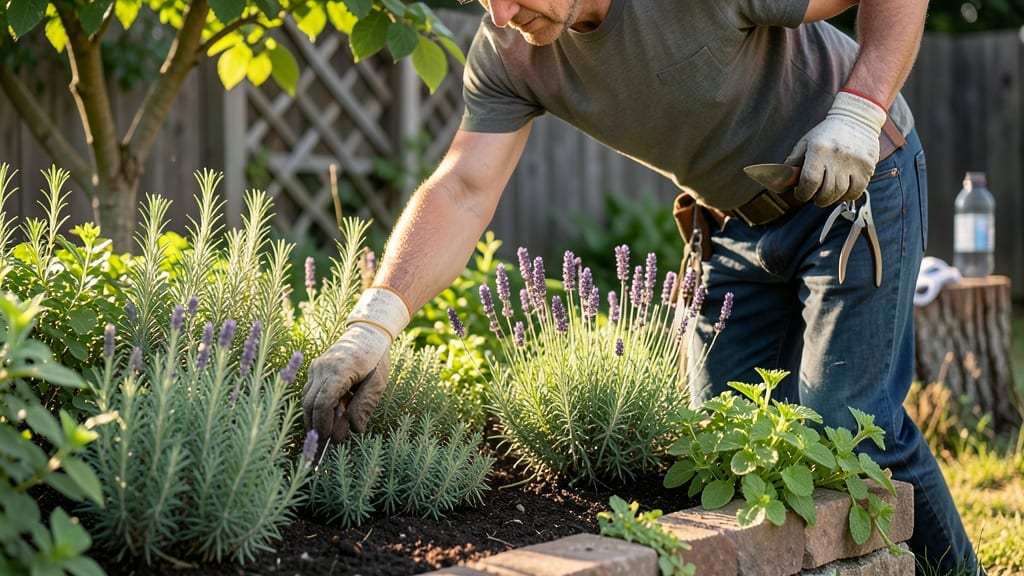
Gardening counts as good exercise because it works your entire body, torches 200-400 calories per hour, and boosts flexibility, coordination, and heart health through continuous movement patterns. Even light gardening beats sitting all day.
This outdoor activity is a full-body workout in disguise. 🌱 Digging, hauling mulch, and reaching for plants engage your arms, legs, and core simultaneously—similar to a low-impact circuit training session. Studies show gardening can elevate your heart rate while strengthening grip strength, something many traditional exercises overlook.
The best part? You won't even feel like you're exercising, making it perfect for those who dread the gym.
For maximum benefits, try these pro tips: use heavier tools to increase resistance, take short breaks between tasks to keep your heart rate up, and incorporate squats when planting.
Even 30 minutes of focused gardening can match the calorie burn of a brisk walk, but with added muscle engagement you won't get from walking alone.
💡 In This Article
- How Gardening Burns Calories and Builds Muscle
- Maximizing Exercise Benefits in Your Garden Routine
How gardening burns calories and builds muscle
Gardening transforms your backyard into an unexpected gym by engaging muscles most workouts ignore. When you dig, your quadriceps, hamstrings, and glutes work together to push through resistance, while your core stabilizes as you twist and bend.
A 30-minute digging session can burn 150-200 calories, comparable to a brisk walk but with added strength benefits. The repetitive motion of raking or weeding elevates your heart rate, creating a cardio effect similar to cycling at 12-14 mph.
Your arms and shoulders get a serious workout too. Lifting 20-30 pound bags of soil or mulch activates your deltoids and trapezius, while pruning requires controlled wrist movements that strengthen forearm muscles.
Studies show gardeners develop 10-15% more grip strength than sedentary individuals, thanks to the constant handling of tools and plants. The balance required when kneeling or reaching for high branches also engages your ankle stabilizers and lower back, improving proprioception—the body's sense of position.
What makes gardening unique is its variable resistance training. Unlike machines at the gym, real-world gardening forces your muscles to adapt to uneven terrain, shifting weights, and unpredictable movements. For example, pulling weeds requires intermittent bursts of force, while watering creates endurance-based arm movements.
This mimics functional fitness better than most traditional exercises, making it ideal for improving daily mobility and preventing injuries from repetitive motions.
Research from the University of Utah found that 45 minutes of gardening can burn 300-400 calories—equivalent to a 45-minute jog—but with lower joint impact. The key difference is muscle activation: while jogging primarily works your legs, gardening creates a full-body circuit where each task targets different muscle groups.
Even light activities like deadheading flowers (removing spent blooms) require fine motor control, engaging smaller muscles in your hands and fingers.
The metabolic boost doesn't stop when you finish. Gardening's afterburn effect (EPOC) keeps your body burning calories for up to 2 hours post-activity due to the combination of strength and cardio elements.
This makes it more efficient than many gym workouts where you stop burning calories immediately after exercise ends. The best part? You're too busy enjoying the outdoors to notice you're getting fit!
For visual learners, imagine this muscle activation map during a typical gardening session:
- Digging: Legs (70%), core (20%), arms (10%)
- Weeding: Back (40%), arms (30%), legs (30%)
- Watering: Shoulders (50%), arms (40%), core (10%)
- Pruning: Forearms (60%), shoulders (30%), back (10%)