
Tools
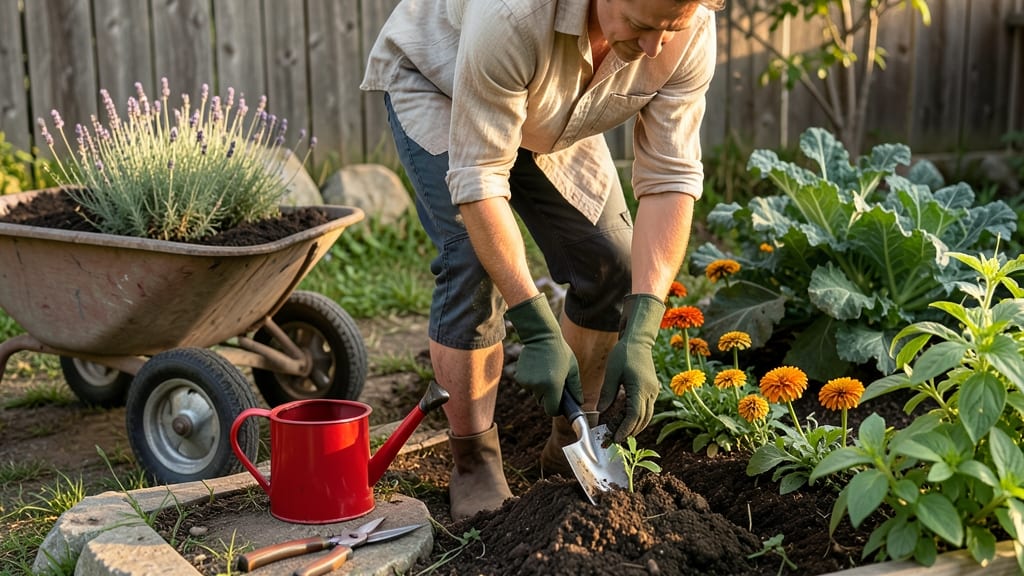
Gardening is considered exercise because it works your muscles, boosts flexibility, and keeps your heart rate elevated—though it usually burns fewer calories than running or weightlifting. Tasks like digging, hauling soil, and pulling weeds deliver benefits comparable to light-to-moderate workouts.
When you're out in the garden, you're actually doing a full-body workout without even realizing it. 🌱 The repetitive motions of raking, bending, and lifting engage your legs, core, and arms simultaneously, while the fresh air and sunlight add to the cardiovascular benefits.
Studies show that an hour of gardening can burn between 200-400 calories, depending on the intensity—similar to a brisk walk or light jog.
What makes it unique is how it combines strength, endurance, and mobility in one activity, making it a functional form of exercise that many people find more enjoyable than traditional gym routines.
Unlike structured workouts, gardening's intensity varies based on the tasks you choose. Heavy-duty activities like moving mulch or planting shrubs can push your heart rate higher, while lighter tasks like pruning or watering still offer benefits through sustained movement.
The key is to approach it with purpose—think of it as an opportunity to build strength while tending to your plants, rather than just a leisurely pastime.
💡 In This Article
- How Gardening Burns Calories and Builds Strength
- Maximizing Gardening’s Exercise Benefits: Techniques and Tools
How gardening burns calories and builds strength
Gardening engages your body in ways that mimic a full-body workout, with calorie burn rates comparable to light-to-moderate cardio. Digging, for example, can torch 250-350 calories per hour—similar to a brisk walk—because it activates your legs, glutes, and core while requiring repetitive arm movements.
The resistance from soil and tools creates a strength-training effect, especially when lifting bags of potting mix (20-30 pounds) or pulling weeds with resistance. This dual action of pushing, pulling, and bending elevates your heart rate while building functional strength.
The intensity varies dramatically by task: raking light leaves burns about 150-200 calories/hour, while mowing a lawn (especially with a push mower) can reach 300-400 calories/hour.
What’s fascinating is how gardening combines aerobic and anaerobic benefits—digging triggers short bursts of high effort (like squats), while prolonged weeding provides steady-state cardio.
Research from the University of Utah found that gardening increases heart rate to 50-70% of max, placing it squarely in the moderate-exercise zone, akin to cycling or swimming.
Muscle-wise, gardening targets your lower body (quads, hamstrings) during digging and kneeling, while your upper body (shoulders, back) engages when lifting or pruning. The core stabilizes during repetitive motions like planting seeds, creating a functional workout that mimics real-world movements.
Unlike isolated gym exercises, gardening’s random, variable motions improve balance and coordination—think of it as a low-impact CrossFit session with fresh air and vitamin D. 🌿
What most people overlook is how gardening’s flexibility demands turn it into a mobility workout. Bending to weed, reaching for tools, and twisting to access hard-to-reach spots force your joints through full ranges of motion, much like dynamic stretching.
This is why gardeners often report improved posture and reduced stiffness over time. The American Heart Association even classifies gardening as a moderate-intensity activity, recommending 75 minutes per week for cardiovascular benefits—equivalent to a 30-minute jog, three times a week.
To maximize these benefits, focus on high-effort tasks like tilling soil (which can burn 350+ calories/hour) or hauling heavy pots. Even lighter activities like deadheading flowers still engage muscles and improve circulation.
The key difference from traditional exercise? Gardening’s unstructured nature makes it sustainable—people often spend longer in the garden than they would at the gym, leading to cumulative benefits over time.
For comparison, a 30-minute gardening session might burn 120-200 calories, while the same time spent jogging could burn 250-350 calories. However, gardening’s multi-muscle engagement and mental relaxation make it a more holistic workout.
Think of it as functional fitness with a side of greenery—where every task contributes to both your garden and your health.