
Tools
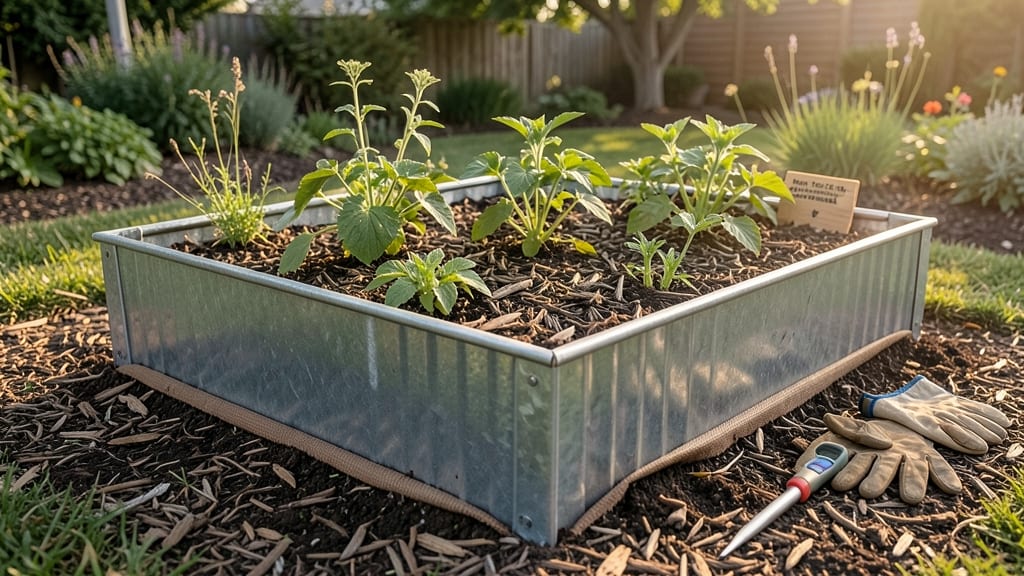
Using corrugated metal in garden beds is safe when you choose untreated varieties and install them properly, as plain metal won’t harm soil or plants. Treated metals like galvanized or painted sheets can release harmful chemicals over time, potentially damaging soil health and edible crops. Always opt for food-safe metal and prevent direct root contact with any coatings.
Plain corrugated metal is a durable, long-lasting material that won’t break down in soil like organic options. 🔥 The real concern comes with treated versions—galvanized steel, for example, contains zinc coatings that can leach into the soil over years, disrupting microbial balance.
I’ve seen cases where painted metal introduced lead or other heavy metals, especially in acidic soils where corrosion happens faster. For vegetable gardens, this is particularly risky since plants absorb these chemicals through their roots.
To use metal safely, stick with plain steel or aluminum sheets and bury them at least 6 inches deep to minimize exposure. Adding a plastic liner between the metal and soil creates a barrier that prevents any potential chemical transfer.
For raised beds, consider alternatives like plastic-coated metal or even stone borders if you’re growing edibles—it’s a small trade-off for peace of mind about your harvest’s safety.
💡 In This Article
- Chemical Risks of Treated Corrugated Metal in Soil
- Safe Installation Tips for Metal Garden Edging
Chemical risks of treated corrugated metal in soil
Treated corrugated metal poses risks because coatings like galvanization or paint contain heavy metals and chemicals that can leach into soil over time. Galvanized steel, for example, uses a zinc coating that slowly dissolves when exposed to moisture and acidic conditions.
Studies show zinc levels can exceed 100 parts per million (ppm) near buried galvanized metal, which is enough to disrupt beneficial soil microbes that help plants absorb nutrients.
Soil pH plays a critical role in how quickly these chemicals release. In acidic soils (pH 6.0), corrosion accelerates dramatically—up to 3x faster than in neutral soil (pH 7.0).
This is why painted metal is especially dangerous in vegetable gardens, where lead-based paints (still found in older materials) can leach into edible crops. Even modern zinc-rich coatings release toxic levels over 5-10 years of exposure.
The real damage happens at the microbial level. Soil bacteria and fungi, which break down organic matter, become stressed by zinc and lead concentrations as low as 50 ppm. This reduces nutrient cycling, meaning your plants get fewer essential minerals like nitrogen and phosphorus.
You might notice stunted growth or yellowing leaves in affected areas, even if the metal itself isn't visibly corroding.
For edible gardens, the risk extends to food safety. Plants absorb heavy metals through their roots, and these chemicals accumulate in leaves and fruits. A 2018 Cornell University study found elevated zinc levels in tomatoes grown near galvanized metal borders—enough to exceed safe consumption limits with regular harvests.
The problem compounds when you consider that most gardeners reuse soil year after year, allowing contaminants to build up.
Visual clues can help identify problematic metal. Look for rust streaks, bubbling paint, or white crystalline deposits—these indicate active corrosion and chemical release. Even "food-safe" coatings often contain plasticizers or stabilizers that break down into harmful byproducts over time.
The safest bet is to avoid any metal with visible treatments and stick to plain, untreated steel or aluminum.
If you're working with existing treated metal, consider these mitigation strategies: bury it 12+ inches deep to maximize soil buffering, or wrap it in HDPE plastic sheeting (thicker than grocery bags) to create a physical barrier.
For raised beds, plastic-coated metal is a better compromise—just verify the coating is phthalate-free and labeled for food contact.