
Tools
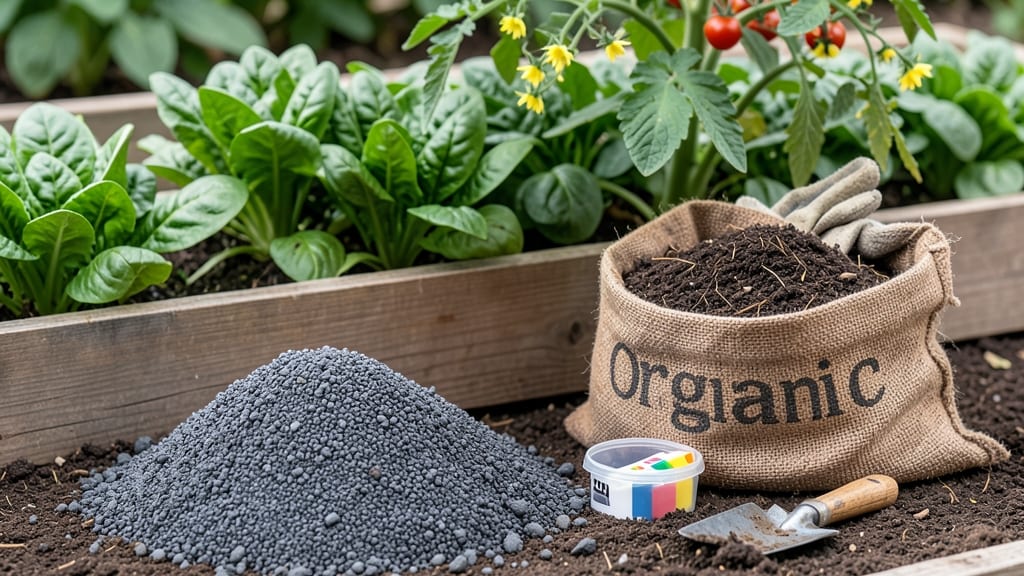
Is coal ash good for the garden? Using it can improve soil pH and add potassium, but its heavy metals like arsenic and lead create serious risks to plants and human health if applied excessively or without proper testing. Always conduct soil analysis first and use it cautiously in limited quantities.
Is coal ash good for the garden? The alkaline nature of coal ash can help neutralize acidic soil, creating better conditions for plants that thrive in slightly basic environments like blueberries or azaleas.
However, the real concern lies in its unpredictable heavy metal content—even small amounts can accumulate in edible crops or leach into groundwater. 🌱 I recommend treating coal ash as a last-resort soil amendment, if at all, and always opting for safer alternatives like wood ash (which lacks toxic metals) when possible.
Before considering coal ash, test your soil's current pH and nutrient levels using a reliable kit. Most garden centers offer affordable options, and many local extension services provide free testing.
Remember, a single application can raise soil pH by 1-2 points—too much can create nutrient deficiencies or harm beneficial soil microbes. When in doubt, consult with a horticulturist to weigh the potential benefits against the risks in your specific growing conditions.
💡 In This Article
- How Coal Ash Affects Soil Chemistry and Plant Growth
- Safe Ways to Use Coal Ash in Gardening (If At All)
How coal ash affects soil chemistry and plant growth
Coal ash's primary benefit comes from its high alkalinity—typically raising soil pH by 1-2 points per application due to calcium and magnesium carbonates. This makes it useful for acid-loving plants like blueberries (pH 4.5-5.5) or azaleas (pH 5.0-6.0) that struggle in neutral soils.
The potassium content (about 1-2% by weight) also provides a minor nutrient boost, though nowhere near as effective as dedicated fertilizers. However, the real concern lies in its variable composition—some coal ashes contain arsenic, lead, or mercury at levels dangerous to plants and humans.
The chemical reaction begins when coal ash dissolves in water, releasing hydroxide ions that neutralize acidic soil. This process is similar to adding lime but far more unpredictable.
For example, a 1-inch layer of coal ash spread over 100 square feet can raise pH by 0.5-1.0 points, but the exact effect depends on the ash's calcium carbonate equivalent (CCE) value, which varies widely. 🔥 The problem is that heavy metals don't follow the same predictable pattern—they accumulate in plant tissues over time, potentially entering the food chain.
What most gardeners overlook is how coal ash disrupts soil biology. The high pH can kill beneficial microbes and earthworms, while heavy metals inhibit nutrient uptake. Studies show that even "safe" coal ash can reduce microbial diversity by 30-50% in treated soils.
The visual difference is subtle at first—a slightly lighter soil color—but over time, plants may show signs of nutrient deficiencies (yellowing leaves, stunted growth) despite the added potassium.
Consider the case of garden tomatoes: while the potassium might improve fruit development, arsenic uptake could lead to 0.1-0.5 ppm in edible tissue—well below toxic levels for humans but still concerning when consumed regularly.
The EPA sets safe arsenic limits at 0.01 ppm in drinking water, yet many coal ashes contain 10-100x that concentration. This creates a dangerous trade-off between pH correction and potential contamination.
For non-edible plants like ornamental shrubs, the risks are lower but still present. The key factor is application rate—less than 1 pound per 100 square feet is generally considered safe for pH adjustment, but this assumes the ash is from a clean source (like modern power plants with scrubbers).
Older coal ash or that from wood-burning stoves contains far more contaminants. Always test your ash before applying!
Here's what happens chemically: The calcium oxide in coal ash reacts with water to form calcium hydroxide (slaked lime), which raises pH through this reaction: CaO + H₂O → Ca(OH)₂. Meanwhile, potassium ions (K⁺) become available for plant uptake, though their solubility depends on soil moisture levels.
The heavy metals, however, bind to soil particles differently—some remain mobile in water, while others become tightly bound to organic matter, making them harder to remove once present.