
Fertilization
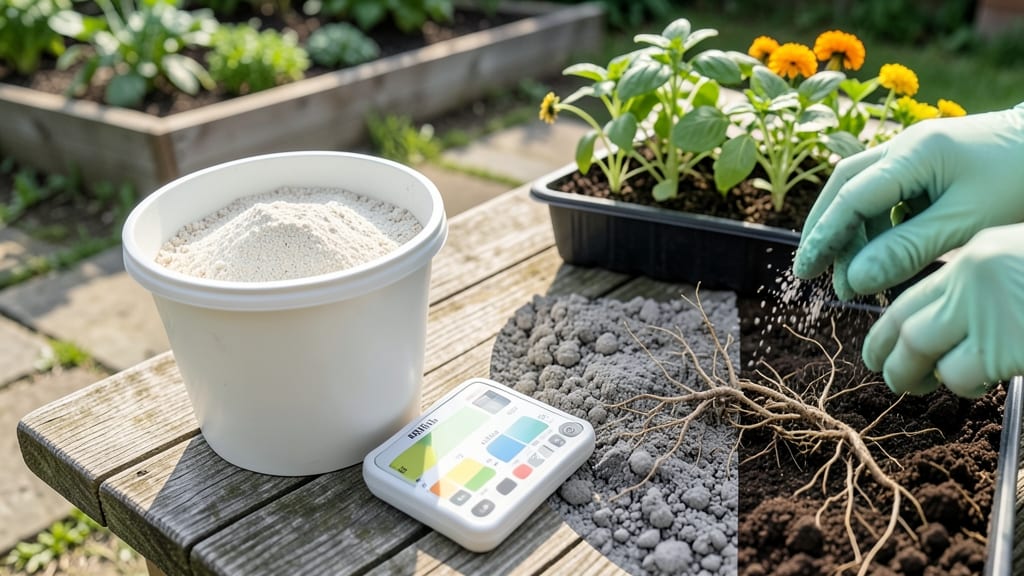
Using calcium carbonate in gardening naturally raises soil pH, neutralizes excess acidity, and prevents blossom end rot in tomatoes and peppers by providing essential calcium. Apply it as crushed limestone or agricultural lime based on soil test results.
Calcium carbonate works by reacting with acidic soil components like hydrogen ions, effectively raising the pH level over time. 🌱 Unlike synthetic amendments, it releases calcium gradually, which helps prevent nutrient deficiencies that can stunt plant growth.
Many gardeners swear by it for acid-loving plants like blueberries, where proper pH is critical for iron uptake.
For best results, apply in early fall when soil is moist but not saturated, allowing it to integrate naturally before planting season. A common rule of thumb is 50 pounds per 1,000 square feet for severely acidic soil, but always test first—overapplication can make soil too alkaline.
Organic alternatives like crushed oyster shells work similarly but break down more slowly.
💡 In This Article
- How Calcium Carbonate Adjusts Soil Chemistry
- Best Application Methods for Garden Lime
How calcium carbonate adjusts soil chemistry
When you add calcium carbonate to acidic soil, it triggers a chemical reaction that neutralizes excess hydrogen ions (H⁺). The compound dissolves slowly in soil moisture, releasing calcium (Ca²⁺) and carbonate ions (CO₃²⁻).
These ions react with acidic components like aluminum (Al³⁺) and hydrogen ions, forming insoluble aluminum hydroxide and water. This process effectively raises soil pH from potentially damaging levels (below 5.5) toward the ideal range of 6.0-7.0 for most vegetables.
The buffering effect is what makes calcium carbonate so effective. Unlike quick-acting amendments, it doesn't just mask acidity temporarily—it creates a stable environment where nutrients like phosphorus and nitrogen become more available to plants.
For example, in blueberry bushes, which thrive at pH 4.5-5.5, calcium carbonate helps maintain that acidic range while preventing toxic aluminum buildup that stunts root growth.
The granular form (like agricultural lime) provides a surface area of about 100 square inches per pound, maximizing contact with soil particles.
What most gardeners don't realize is how calcium carbonate prevents secondary nutrient deficiencies. In acidic soils, magnesium and potassium often become "locked" in the soil structure, unavailable to plants.
Calcium carbonate's pH adjustment releases these nutrients, similar to how adding baking soda (sodium bicarbonate) neutralizes stomach acid to free up nutrients in your digestive system. This is why you'll see healthier foliage and stronger stems after application—plants suddenly have access to a full spectrum of essential minerals.
The reaction rate depends on soil moisture and temperature. In warm, damp conditions, calcium carbonate dissolves faster (about 30-50% per year), while in dry or cold soils, it may take 2-3 years for full effect.
This slow release is why many experts recommend applying it in fall rather than spring—it has time to integrate before planting season. The texture of garden lime (fine powder to small granules) also matters: finer particles work faster but can clump, while coarser granules spread more evenly.
For visual learners, think of calcium carbonate as a pH "thermostat" for your soil. Just as a thermostat maintains a set temperature by cycling heating or cooling, calcium carbonate maintains an optimal pH by continuously neutralizing acidity.
This stability is crucial for plants like tomatoes and peppers, where sudden pH swings can trigger blossom end rot—a calcium deficiency disorder that causes sunken, leathery spots on fruit. The calcium from the compound also strengthens cell walls, making plants more resistant to stress.
One common misconception is that all calcium carbonate works the same. Actually, purity matters—high-quality agricultural lime contains 90-100% calcium carbonate, while lower-grade products may have fillers that reduce effectiveness.
The difference is like comparing pure baking soda (100% sodium bicarbonate) to a baking mix with added starch—you get vastly different results. Always check the label for calcium carbonate content and neutralizing value (how much it raises pH per pound).
For those concerned about environmental impact, calcium carbonate is completely safe when used correctly. It's naturally occurring in limestone formations and breaks down into harmless components.
The key is proper application—too much can make soil overly alkaline (pH 7.5+), which locks out iron and manganese, causing yellowing leaves (chlorosis) in plants like azaleas. Think of it like Goldilocks: you want the pH "just right" for your specific plants. 🌱