
Plants
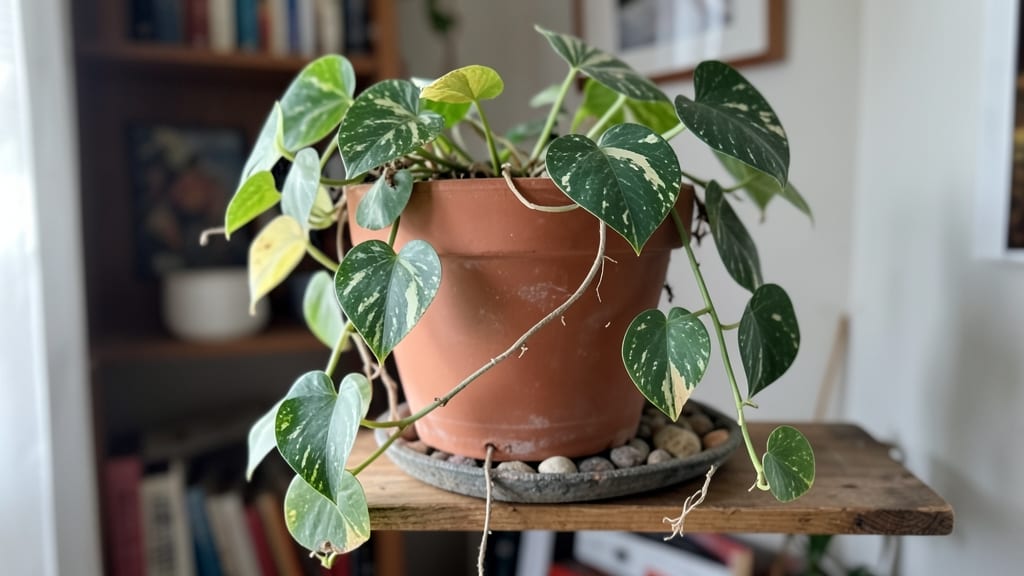
Creating an indoor apartment garden turns even the tiniest space into a thriving 🌿 oasis—no yard or balcony required.
Picture this: your 500-square-foot studio bursting with greenery without sacrificing a single square foot of living space. The secret? Clever layouts that stack plants vertically, tuck them under furniture, and turn walls into living art. I’ve tested these tricks in my own cramped corner, and the results speak for themselves.
Most people assume you need a sunroom or a patio to grow anything beyond a sad pothos on a shelf. But the right plants—like trailing pothos, air plants, or dwarf herbs—thrive in low light and tight quarters.
With a few smart tools and layouts, you can fill your apartment with life without the clutter.
In this guide, I’ll walk you through the top space-saving layouts, the easiest plants to grow, and the gear that makes maintenance a breeze. By the end, you’ll know exactly how to turn your apartment into a lush, productive garden—no green thumb needed.
10 Space-saving indoor garden layouts for apartments under 500 sq. ft.
Living in a small apartment doesn’t mean you have to give up your love for gardening. With the right space-saving layouts, you can transform even the tiniest corners into thriving green spaces.
These designs focus on vertical growth, modular systems, and multi-functional setups to maximize greenery without sacrificing square footage. Whether you have a sunny windowsill or a bare wall, there’s a solution for you.
One of the biggest challenges in apartment gardening is finding the perfect balance between aesthetics and functionality. The layouts below are designed to fit seamlessly into your daily life, whether you’re cooking, working, or relaxing.
From wall-mounted planters to under-furniture gardens, each idea is tailored to make your indoor garden both practical and beautiful. Let’s dive into the top 10 layouts that will help you grow more in less space!
Here’s a quick comparison of the most effective layouts for small spaces, including their space requirements, ideal plants, and maintenance needs: