
Plants
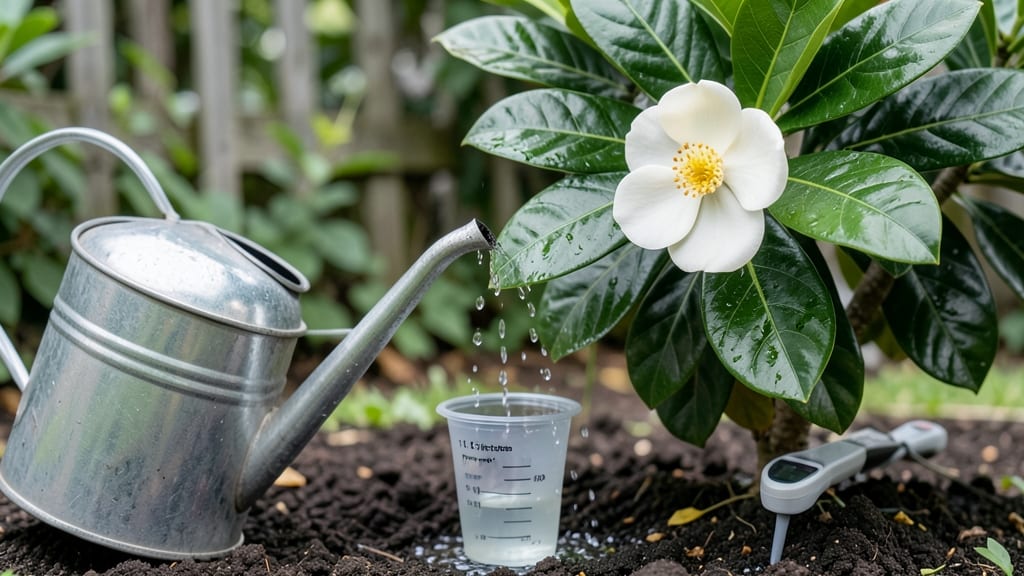
A gardenia plant needs about 1 to 1.5 inches of water per week—but timing and method make all the difference between fragrant blooms and a sad, wilted shrub.
Picture this: You water your 🌸 gardenia every morning, yet the leaves yellow and drop. Or worse, the soil stays soggy, and the roots rot. That’s because gardenias hate guesswork—they demand consistent moisture without drowning. Too much or too little, and you’ll lose those intoxicating blooms faster than you think.
Climate, pot size, and soil all change the equation. In humid Zone 6a, you might water every 2-3 days in summer, while drier conditions call for deeper, less frequent soaks. The trick? Check the top inch of soil—if it’s dry, it’s time. If it’s still damp, wait.
In this guide, I’ll break down the exact watering schedule for your gardenia, from seasonal tweaks to spotting the subtle signs of thirst or stress. By the end, you’ll know exactly how much water to give—and when—to keep your plant thriving for years.
Gardenias and water: the science behind their hydration needs
Gardenias thrive in consistently moist but never soggy soil. Their native tropical habitats demand high humidity and even moisture levels, which is why they wilt dramatically when thirsty or develop root rot from excess water.
Understanding their natural water needs is the key to keeping those glossy leaves and fragrant blooms year-round.
These plants have shallow but extensive root systems that absorb moisture quickly. Unlike drought-tolerant shrubs, gardenias cannot store water, making them highly sensitive to fluctuations in soil moisture.
In my experience, the difference between a lush gardenia and a struggling one often comes down to how well you mimic their natural rainfall patterns.
Your gardenia’s watering needs vary dramatically based on your climate zone. In humid regions like Florida or Louisiana, you’ll water less frequently than in arid climates like Arizona or California.
Even within the same zone, potted gardenias dry out faster than in-ground plants because containers lack the moisture-retention benefits of soil.
Here’s the science: Gardenias prefer soil that stays 60-70% moisture at all times. This means the top 1-2 inches of soil should feel damp to the touch, while deeper roots need consistent moisture to prevent stress.
Overwatering creates anaerobic conditions that suffocate roots, while underwatering triggers wilting and bud drop.
| Factor | Optimal Condition | Adjustments Needed |
|---|---|---|
| Soil Moisture Level | 60-70% moisture (top 1-2") | Use moisture meter or finger test |
| Watering Frequency (Humid) | Every 3-5 days | Reduce by 20% in rain |
| Watering Frequency (Arid) | Daily or every other day | Increase by 30% in heatwaves |
| Potted vs In-Ground | Potted: Every 1-2 days | Use self-watering pots |
| Signs of Overwatering | Yellow leaves, mold, root rot | Improve drainage immediately |
The root zone of a gardenia is particularly vulnerable to drought stress because their roots are concentrated near the surface. When soil dries out, the plant’s ability to transport water and nutrients shuts down abruptly, causing sudden wilting even after rewatering.
To prevent this, I recommend deep watering—soaking the soil until water drains from the bottom of containers or reaches 6-8 inches deep in garden beds.
Your gardenia’s leaf condition is the best indicator of its hydration status. Dark green, slightly leathery leaves signal optimal moisture, while light green or drooping leaves mean it’s thirsty. Conversely, yellowing leaves with brown edges typically point to overwatering or poor drainage.
I’ve seen gardeners fix both issues by amending soil with perlite or orchid bark to improve aeration.
Climate plays a huge role in adjusting your watering routine. In humid climates, gardenias may only need watering when the top inch of soil feels dry, while arid conditions demand daily checks.
Even in humid areas, container-grown gardenias dry out faster due to limited soil volume. My pro tip: Group potted gardenias together to create a microclimate that retains moisture longer.
Seasonal changes also affect water needs. During summer’s peak heat, gardenias may need watering twice daily—once in the morning and once in the late afternoon—to replace lost moisture. In winter dormancy, reduce watering to every 7-10 days unless you’re in a frost-free zone.
The key is to match your watering schedule to the plant’s active growth periods.
One common mistake I see is watering gardenias at night, which promotes fungal diseases like powdery mildew by keeping foliage damp overnight. Always water in the early morning so leaves have 6-8 hours to dry before evening.
For container gardenias, I’ve found that drip irrigation systems deliver water directly to the roots while minimizing leaf wetness.
To test if your gardenia is getting the right amount of water, perform a simple soil squeeze test: Gently press the soil with your fingers. If it feels slightly moist but not soggy, you’re on track.
If it’s bone dry, water immediately. If it’s sticky or smells musty, reduce watering and improve drainage. With this approach, your gardenia will reward you with continuous blooms and vibrant foliage all season long.
Step-by-step watering schedule for gardenias by season
Gardenias thrive when their watering routine mirrors their natural tropical environment—but that doesn’t mean drowning them daily. The key lies in consistent moisture without soggy soil, which varies dramatically by season.
In summer’s heat, your gardenia may need daily hydration, while winter dormancy could stretch watering to once a week. Let’s break down the exact schedule your gardenia craves to keep those glossy leaves and fragrant blooms year-round.
First, understand that potted gardenias dry out faster than in-ground plants due to limited soil volume. A 5-gallon container might need watering every 1-2 days in summer, while a mature in-ground shrub can go 3-5 days between deep waterings.
Always check soil moisture by sticking your finger 2 inches deep—if it’s dry, it’s time to water. For deep watering, aim to saturate the root zone (first 6-12 inches of soil) until water runs out the drainage holes or seeps into the ground below.
For potted gardenias, container size and material matter. Terracotta pots dry out faster than plastic, so adjust your schedule accordingly. If your gardenia’s leaves start yellowing or wilting, it’s often a sign of overwatering—not underwatering.
Always ensure pots have drainage holes and use a well-draining soil mix (50% peat moss, 30% perlite, 20% sand). Pro tip: Group potted gardenias together to create a microclimate that retains humidity, reducing how often you need to water.
Adjust your watering based on local climate and microclimates in your yard. A gardenia in a shady spot may need less water than one basking in morning sun. In humid regions (like Florida or Louisiana), reduce watering by 20-30% to avoid fungal issues.
Conversely, in arid zones (like Arizona or California), increase frequency and use mulch to lock in moisture. Always prioritize morning watering—this gives foliage time to dry before nightfall, slashing the risk of powdery mildew.
Watch your gardenia’s leaves and blooms for clues. Drooping leaves usually mean thirst, while brown edges or mushy stems signal overwatering. If buds form but fail to open, it’s often due to low humidity or inconsistent watering.
To boost blooms, pair your watering schedule with acidic fertilizer (pH 5.0-6.5) every 4-6 weeks during spring and summer. Remember: consistency is key—gardenias hate moisture swings, so stick to your seasonal routine like clockwork.
With this seasonal watering plan, your gardenia will reward you with vibrant blooms and lush foliage year-round. Start by assessing your gardenia’s current soil moisture today—dig your finger in and adjust your schedule based on what you find. Happy gardening! 🌸