
Tools
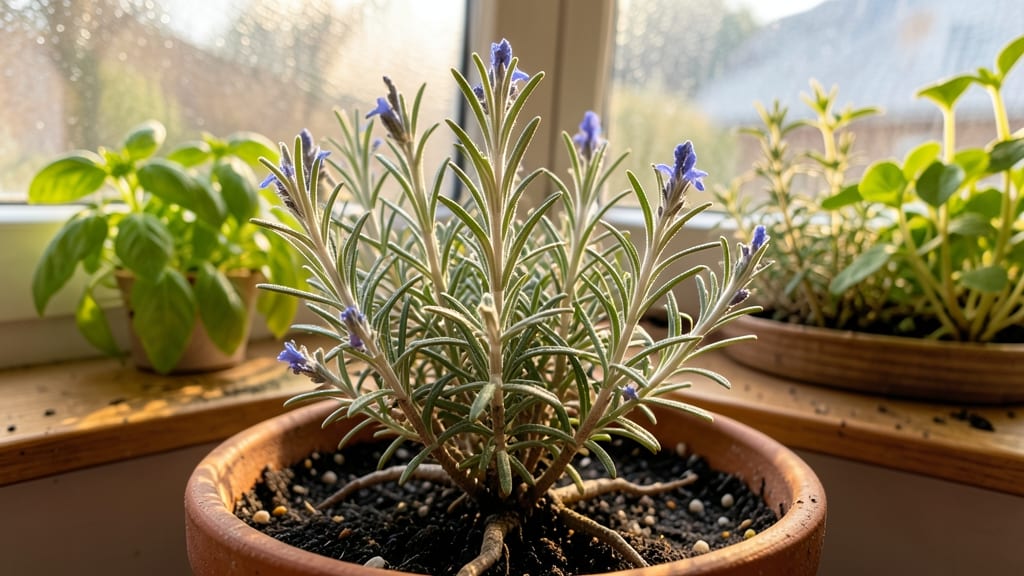
To say 'gardening' in Spanish, use jardineria (pronounced har-dee-nee-ah), the standard term for both the hobby and plant cultivation. In Latin America, horticultura is used for technical gardening, while huertar (pronounced wer-tar) refers specifically to vegetable gardening in Mexico and Central America.
Spanish has multiple ways to express gardening depending on the context, and the pronunciation varies by region. 🌱 The term jardineria is the most widely recognized, but in Spain, you might hear jardinería with a soft "j" sound, while in Latin America, the "j" often takes on a "h" sound.
For example, huertar is uniquely Mexican—it’s the verb form used when talking about growing vegetables in a home garden. Understanding these distinctions helps you communicate clearly whether you're discussing flowers, technical horticulture, or homegrown produce.
What's interesting is how regional dialects shape these terms. In Argentina, for instance, jardineria might be pronounced with a softer "r," while Colombians often emphasize the "i" in horticultura. 🌿 For practical use, I recommend starting with jardineria for general conversations, then adjusting based on where you're speaking.
If you're in Mexico and talking about growing tomatoes, huertar would be the perfect word to use!
💡 In This Article
- Pronunciation and Spelling Variations of 'Jardineria' in Spanish
- When to Use 'Jardineria', 'Horticultura', or 'Huertar' in Gardening Contexts
Pronunciation and spelling variations of 'jardineria' in Spanish
The word jardineria follows Spanish phonetic rules that can trip up non-native speakers. The "j" in Spanish is pronounced like the English "h" sound—think of the Scottish "loch" without the "ch."
So jardineria becomes har-dee-nee-ah, with the stress on the second syllable (dee). 🌿 In Spain, the "j" is softer, almost like a faint "h," while in Latin America, it often takes on a guttural "h" sound, closer to the Scottish "loch."
This regional difference is why a Spaniard might say jar-dee-nee-ah while a Mexican would lean toward har-dee-nee-ah.
Spelling variations add another layer. In Spain, you'll commonly see jardinería with an accented "i" (í), which changes the pronunciation slightly—making the "i" sound more like "ee." Latin American Spanish often drops the accent, writing jardineria without it.
This isn't just a stylistic choice; the accent in jardinería alters the rhythm of the word, making it sound more melodic. 🎶 For example, jardinería (Spanish) flows like "jar-dee-neh-REE-ah," while jardineria (Latin American) sounds like "har-dee-neh-REH-ah."
Related terms follow similar patterns. Jardin (garden) is pronounced har-deen in most regions, but in Spain, it might sound like jar-deen. The word jardinero (gardener) adds an "e" ending, so it becomes har-dee-neh-roh in Latin America or jar-dee-neh-roh in Spain.
These small differences matter when you're learning—mispronouncing jardinero could lead to confusion, as it might sound like jardinería if the "e" ending is dropped or misplaced.
Common misspellings often stem from mixing up the "j" and "g" sounds. For example, some learners might write gardineria instead of jardineria, assuming the "g" sound is correct.
This is a trap because g in Spanish is pronounced like a hard "g" in "go," not the "j" sound. 🚫 Another mistake is adding an extra "n," writing jardinería with two "n"s, which doesn't exist in standard Spanish. Always double-check the spelling to avoid these pitfalls.
If you're unsure how to pronounce a word, listen to native speakers. Platforms like Forvo or YouTube have pronunciation guides where you can hear jardineria spoken by people from different regions.
For instance, a Colombian might emphasize the "i" in horticultura (pronounced or-tee-kul-TOO-rah), while an Argentine might soften the "r" sounds. These nuances make the language rich but can be tricky for learners.
Pro tip: Practice saying jardineria out loud while imagining a lush garden.
The physical act of saying the word can help your mouth adjust to the "h" sound of the "j." Start with jardin (garden), then add -eria (the suffix for professions or activities), and you'll naturally pick up the rhythm. 🌿