
How To
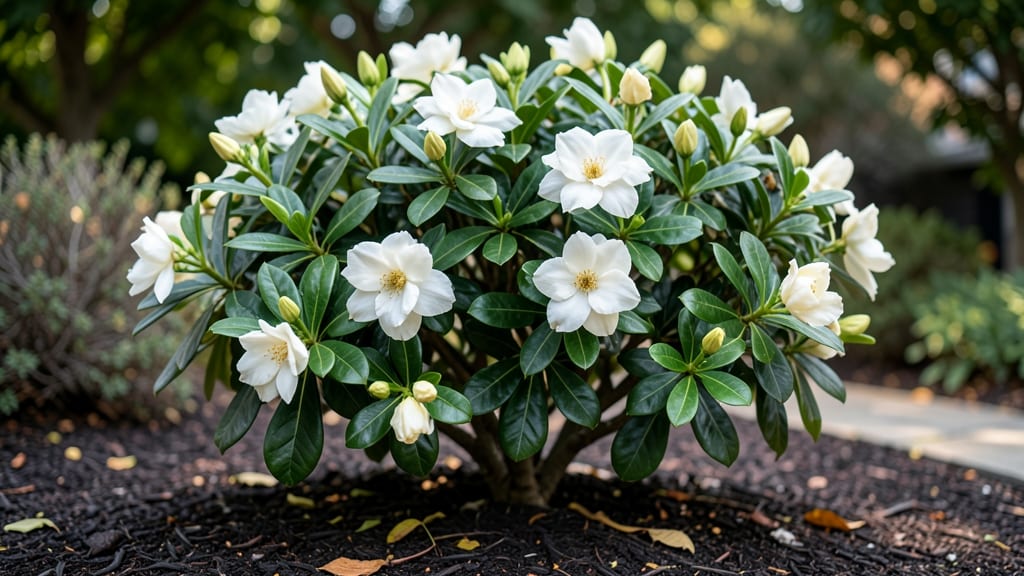
How big do gardenia bushes get? They typically reach a mature size of 3 to 6 feet tall and wide, depending on the variety, making them a versatile choice for hedges, borders, or container gardens.
If you’re dreaming of fragrant gardenias but worried they’ll overwhelm your garden space, knowing their mature size is key to planning your perfect floral haven. Some varieties stay compact at just 1 to 3 feet, while others reach towering heights that need careful placement.
This guide breaks down the size ranges of popular gardenia types—like the classic Gardenia jasminoides—and how to control growth through pruning, sunlight, and soil choices. You’ll also discover how to pick the right spot for your garden’s layout, whether you’re working with a small patio or a sprawling yard.
Ready to find the perfect fit? We’ll cover everything from dwarf options for tight spaces to pruning tips for keeping your 🌸 gardenia in check, so you can enjoy those intoxicating blooms without the hassle.
Gardenias’ mature size by variety: small to large bush dimensions
If you’re planning to add gardenias to your garden, understanding their mature size is essential for spacing and design. These fragrant shrubs come in a range of sizes, from compact dwarf varieties perfect for containers to towering standard gardenias that make stunning hedges.
Knowing the expected dimensions helps you choose the right variety for your space and care needs.
The most popular species, Gardenia jasminoides, typically reaches 3–6 feet tall and 3–5 feet wide at maturity. However, some varieties stay under 3 feet tall, making them ideal for small gardens or patio pots.
Let’s explore the size differences so you can pick the perfect gardenia for your landscape.
🌱 Key Tip: Always check the specific variety’s label, as even within the same species, sizes can vary based on growing conditions and pruning habits.
| Variety | Mature Height | Mature Spread | Best For | Notes |
|---|---|---|---|---|
| Gardenia jasminoides 'Kleim's Hardy' | 3–5 ft | 3–4 ft | Hedges, borders | Cold-hardy to USDA Zone 7 |
| Gardenia jasminoides 'Radicans' | 2–3 ft | 2–3 ft | Containers, small gardens | Trailing habit, great for hanging baskets |
| Gardenia jasminoides 'Veitchii' | 4–6 ft | 4–5 ft | Specimen plants, privacy screens | Large, fragrant blooms |
| Gardenia jasminoides 'Fortuniana' | 1.5–2.5 ft | 1.5–2.5 ft | Bonsai, patio pots | Dwarf variety, slow-growing |
| Gardenia augusta | 6–10 ft | 6–10 ft | Large gardens, tropical landscapes | Tropical species, less cold-hardy |
| Gardenia jasminoides 'Belinda' | 2–3 ft | 2–3 ft | Containers, window boxes | Compact, abundant blooms |
For small gardens or container gardening, varieties like 'Fortuniana' or 'Belinda' are excellent choices. These dwarf gardenias stay under 3 feet tall and thrive in pots, making them perfect for patios or balconies. Their compact size also means they require less frequent pruning and fertilizing compared to larger varieties.
If you’re aiming for a privacy screen or hedge, consider 'Kleim's Hardy' or 'Veitchii'. These varieties grow 4–6 feet tall and wide, providing ample coverage while still being manageable with regular pruning. Plant them 3–4 feet apart for a dense, fragrant barrier.
For tropical or large garden settings, Gardenia augusta is a stunning option, but be aware it can reach 10 feet tall and wide. This variety is best suited for warm climates (USDA Zones 10–11) and requires more space to accommodate its impressive size.
When planning your garden, remember that gardenias grow slowly
How gardenia size affects planting location and care needs
Choosing the right spot for your gardenia bushes starts with understanding their mature size. A standard gardenia typically reaches 4–6 feet tall and wide, while dwarf varieties stay between 1–3 feet.
This size difference dramatically impacts where you plant them and how much care they’ll need to thrive in your garden.
For example, a 6-foot-tall gardenia planted against a southern-facing wall will need more sunlight but may require pruning to prevent overcrowding nearby plants. Meanwhile, a dwarf variety in a container garden can enjoy similar care with less space.
Let’s break down how size influences everything from sunlight exposure to pruning strategies.
🌿 Gardenia Size: Pros and Cons
✅ Pros
- Full-size gardenias offer intense fragrance and larger blooms.
- Ideal for privacy hedges or backyard borders.
- Dwarf varieties fit small gardens or containers.
- Smaller sizes require less pruning for maintenance.
❌ Cons
- Large gardenias need more space and sunlight.
- Can overwhelm small yards if not pruned.
- Dwarf varieties may have fewer blooms per plant.
- Containers require frequent watering and drainage checks.
When selecting a planting location, prioritize partial shade—especially for larger varieties. A 6-foot gardenia in full sun may scorch its leaves, while a dwarf gardenia in a north-facing spot could struggle to bloom.
Aim for 4–6 hours of morning sun paired with afternoon shade to keep your plant happy and healthy.
Spacing is another critical factor. For in-ground planting, leave 3–5 feet between gardenias to allow airflow and prevent disease. If you’re using containers, choose pots at least 12–18 inches wide for dwarf varieties and 20+ inches for standard sizes.
Well-draining soil with a pH of 5.0–6.0 is non-negotiable for both.
Pruning plays a huge role in managing size. For standard gardenias, prune in late winter or early spring to shape the bush and encourage new growth.
Focus on removing dead or crowded branches while leaving room for airflow. Dwarf varieties need minimal pruning—just a light trim after blooming to maintain their compact form. Always use sterilized shears to avoid spreading disease.
Finally, don’t overlook how size impacts fragrance intensity. Larger gardenias produce more blooms per season, filling your garden with their signature sweet scent. However, dwarf varieties often have higher fragrance concentration per bloom, making them perfect for small patios or balconies.
Choose based on your space and your scent preferences!