
Tools
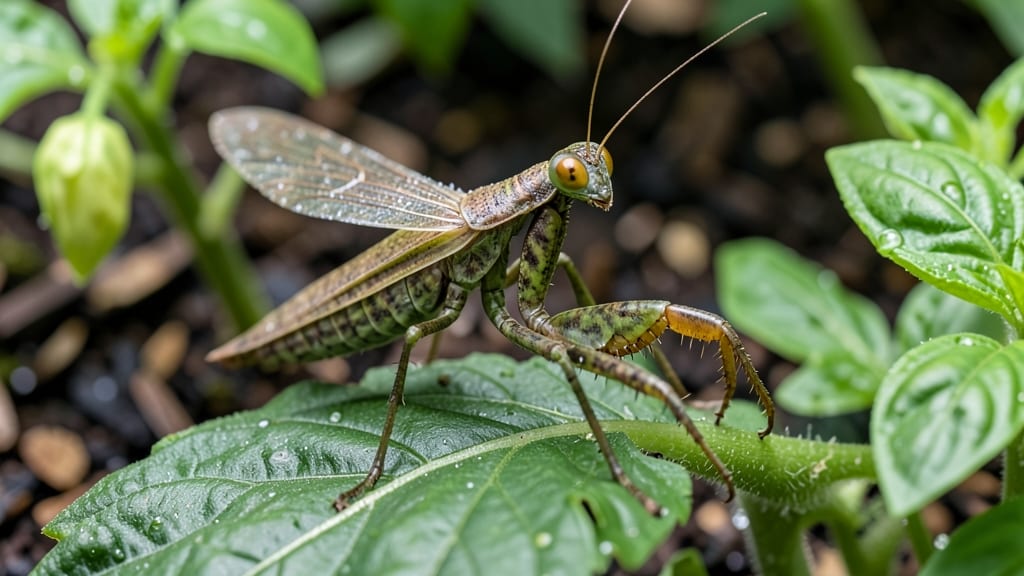
Keeping bugs out of your vegetable garden 🥕 is all about smart, fast-acting strategies that stop pests before they start eating your harvest.
Dealing with relentless pests in your vegetable garden can turn your green oasis into a bug buffet overnight—but diatomaceous earth offers a fast, organic solution that works within 24 hours without harsh chemicals.
Most gardeners assume they need toxic sprays to win this battle, but the truth is simpler: a light dusting of diatomaceous earth creates a microscopic barrier that dehydrates insects on contact.
Below, I’ll show you exactly how to apply it for maximum protection, plus five natural alternatives to keep your garden thriving all season long.
How diatomaceous earth creates an instant bug barrier in 24 hours
When aphids, slugs, and crawling beetles invade your vegetable garden, you need a solution that works fast without harming your plants. That’s where diatomaceous earth (DE) shines—this natural powder creates a microscopic barrier that disrupts pests within just 24 hours.
Unlike chemical pesticides, DE is safe for edible plants and pets once settled, making it a gardener’s secret weapon.
The magic lies in DE’s fossilized algae structure. Under a microscope, it looks like tiny, razor-sharp shards that pierce insect exoskeletons, causing them to dehydrate and die. It doesn’t just repel—it eliminates pests on contact, including soft-bodied insects like caterpillars and hard-shelled pests such as earwigs.
The best part? It’s organic, non-toxic, and breaks down harmlessly in sunlight.
🌱
| Type | Mechanism | Best For | Safety Note |
|---|---|---|---|
| Food-Grade DE | Microscopic cuts in exoskeleton → dehydration | Edible plants, soil, compost | Safe for humans/pets after settling |
| Pool-Grade DE | Abrasive texture → suffocation | Outdoor pests (not edible areas) | Harsh on plants; avoid near crops |
| Fine vs. Coarse | Fine: better for crawling pests; Coarse: repels flying insects | Fine for soil; Coarse for foliage | Always use food-grade for gardens |
Not all diatomaceous earth is created equal. Food-grade DE is the gold standard for gardens because it’s safe for edible plants and won’t leave toxic residues. Pool-grade DE, while effective, is too abrasive for vegetable gardens—it can damage plant tissues and isn’t labeled for organic use.
Always check the label for the food-safe certification before purchasing.
DE works by creating a physical barrier that pests can’t cross. When you dust it lightly over soil or foliage, it forms a thin, invisible layer that clings to plant surfaces.
Crawling insects like cutworms and slugs get trapped and dehydrate within hours, while flying pests like whiteflies avoid treated areas entirely. The key is even coverage—miss a spot, and pests will find it.
One common misconception is that DE kills pests instantly. In reality, it takes 24–48 hours for full effect because insects must crawl through the powder to be affected.
For immediate results, reapply every 3–5 days or after rain, which washes it away. Pair it with companion planting (like marigolds) for a double-layered defense.
Unlike chemical pesticides, DE is selectively toxic. It targets only arthropods with exoskeletons—meaning earthworms, bees, and beneficial insects like ladybugs remain unharmed. This makes it ideal for organic gardening, where preserving the ecosystem is just as important as pest control.
Plus, it breaks down naturally in sunlight, leaving no harmful byproducts.
For best results, apply DE on a dry, calm day when temperatures are above 50°F (10°C). Avoid mixing it with oils or water, as this clumps the powder and reduces its effectiveness.
Instead, use a duster or sieve to create a light, even layer—think of it like dusting flour, not snowing it. Focus on plant bases, leaf undersides, and soil surfaces where pests hide.
🌿
If you’re growing leafy greens like lettuce or fruiting plants such as tomatoes, DE is especially effective. For example, I’ve used it to eliminate aphids on my basil within 48 hours without harming the leaves.
Just remember: reapply after rain and store DE in a sealed container to maintain its potency. With consistent use, you’ll see a noticeable drop in pest populations within a week.
For heavy infestations, combine DE with neem oil or kaolin clay for a multi-layered approach. Neem oil disrupts insect life cycles, while DE provides instant physical protection. Together, they create an unbeatable organic defense that keeps your vegetable garden thriving—without the risks of synthetic chemicals.
Step-by-Step guide: applying diatomaceous earth for maximum pest control
Diatomaceous earth is one of my go-to organic pest control tools because it works fast and safely on edible plants. When applied correctly, it creates a microscopic barrier that dehydrates pests like aphids, slugs, and crawling beetles within 24 hours.
The key lies in timing, coverage, and consistency—details I’ll walk you through step by step.
Before you grab your duster, remember: food-grade diatomaceous earth is a must for vegetable gardens. Pool-grade versions contain additives that can harm plants and contaminate your harvest. Always store it in a cool, dry place to preserve its effectiveness, as humidity can reduce its potency over time.
- 🌱 Step 1: Choose the Right Time
Apply diatomaceous earth in the early morning or late evening when pests are least active. Avoid windy days—the fine powder can blow away, wasting your effort and potentially harming beneficial insects like bees. - 🌿 Step 2: Wear Protective Gear
Slip on a dust mask and gloves to avoid inhaling the powder. While food-grade DE is safe, prolonged exposure can irritate your lungs or skin. - ✂️ Step 3: Lightly Dust Target Areas
Use a duster or sieve to create a thin, even layer (about 1-2 mm thick) around plant bases, under leaves, and along stems. Avoid overapplying—too much can clump and reduce effectiveness. - 💧 Step 4: Water After Application
Lightly mist the treated areas with water to help the DE adhere to plant surfaces. This also signals to pests that the barrier is in place, encouraging them to crawl over it and come into contact with the powder. - 🌳 Step 5: Reapply Every 5-7 Days
Rain, dew, or pests rubbing against surfaces will reduce the DE’s potency. Check your garden weekly and reapply as needed, especially after heavy watering or storms. - 🚫 Step 6: Avoid Mixing with Oils
Never combine DE with neem oil, garlic spray, or other oils. The oils create a protective coating on pests, preventing the DE from dehydrating them effectively. - ☀️ Step 7: Monitor and Rotate Methods
After 2-3 weeks, rotate DE with other organic pest controls like companion planting or beneficial nematodes to prevent pest resistance and maintain a balanced garden ecosystem.
One common mistake I see is applying diatomaceous earth too heavily. A thick layer can suffocate beneficial insects like ladybugs or lacewings, which help control pests naturally. Stick to a light dusting—just enough to create a visible film, not a powdery blanket.
For slugs and snails, create a barrier around plant bases, but avoid overapplying near edible parts like fruits or leaves.
If you’re dealing with soil-dwelling pests like grubs or cutworms, mix a small amount of DE into the top 1-2 inches of soil around your plants. This creates a lethal zone for crawling insects without harming your vegetables.
Just be sure to water the soil lightly afterward to activate the DE and help it bind to the soil particles.
For container gardens, focus on the rims of pots and the soil surface. Many pests enter containers through the edges, so a thin layer here can block their entry.
Remember, diatomaceous earth works best when pests physically contact it, so aim for areas where they’re likely to crawl or hide.
Finally, keep a journal of your applications. Note which pests respond best, how often you need to reapply, and any changes in your garden’s ecosystem. Over time, you’ll refine your approach to create a pest-free vegetable garden with minimal effort—and that’s a victory worth celebrating! 🌱