
Size
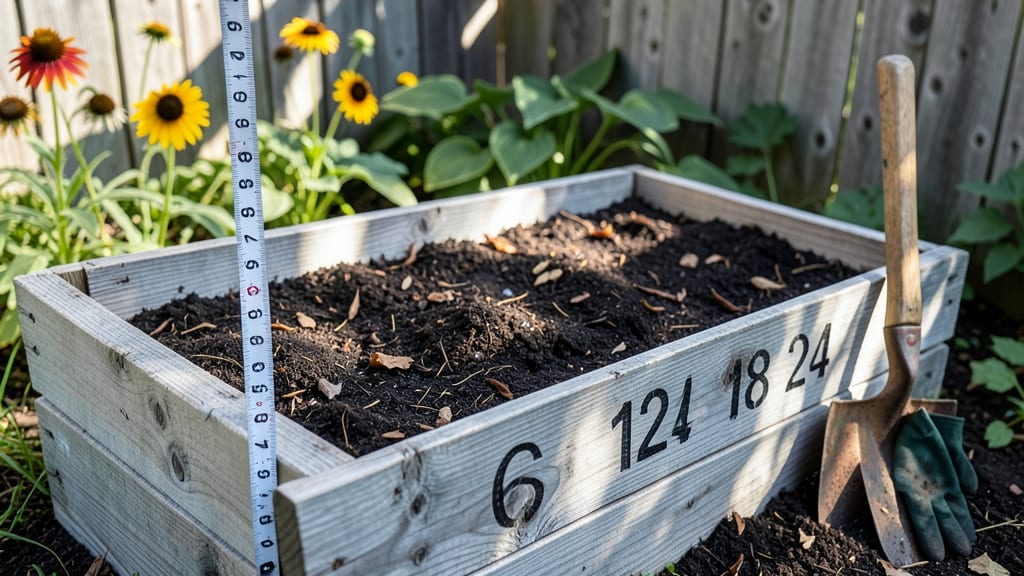
A raised garden bed needs to be 6 to 12 inches tall for most plants, balancing root space with easy maintenance. Deeper beds (12–18 inches) accommodate root vegetables like carrots, while taller beds (18+ inches) improve drainage and accessibility for gardeners.
A raised garden bed's height directly impacts what you can grow and how easily you can tend to it. 🌱 Shallow-rooted plants like lettuce or herbs thrive in beds just 6 inches tall, while medium-height beds (10–12 inches) support tomatoes and peppers.
For deep-rooted crops like potatoes or asparagus, 18-inch beds provide the necessary depth while also reducing soil compaction and improving water drainage—critical for heavy clay soils. The right height also makes gardening more comfortable, especially for those with back or knee issues, as waist-level beds eliminate excessive bending.
When choosing materials, consider both durability and your own needs. Wooden beds (8–12 inches) are popular for their aesthetic appeal, while cinder blocks or bricks allow for customizable heights.
If you're designing for accessibility, aim for at least 14 inches to create a comfortable working height that minimizes strain during planting and harvesting seasons.
💡 In This Article
- Root Depth Requirements for Different Plants
- Accessibility and Practical Height Considerations
Root depth requirements for different plants
The height of your raised garden bed isn't arbitrary—it's directly tied to how deep your plants' roots grow. Shallow-rooted plants like lettuce, spinach, or herbs only need about 4–6 inches of soil, making a 6-inch-tall bed perfect for these quick growers.
Their fibrous root systems spread horizontally rather than vertically, so extra height doesn't provide much benefit. 🌱 Meanwhile, medium-depth vegetables like tomatoes, peppers, and bush beans thrive in beds that are 10–12 inches tall, as their roots can extend 12–18 inches deep but don't require the full space.
For deep-rooted crops like carrots, parsnips, or asparagus, you'll need beds that are at least 12–18 inches tall. Carrots, for example, can grow roots up to 16 inches long, while asparagus crowns spread 12–18 inches deep.
The extra height prevents root binding—a condition where roots crowd together and restrict growth—especially in heavy clay soils where drainage is poor. Sandy soils, on the other hand, allow roots to penetrate more easily, so you might get away with slightly shallower beds (10–12 inches) for these crops.
Soil type also plays a surprising role in determining the ideal bed height. In clay-heavy soils, roots struggle to penetrate compacted layers, so taller beds (18+ inches) break up the soil's natural density and improve aeration.
This is why many gardeners in regions with heavy clay opt for 18-inch beds even for medium-depth plants—they're investing in long-term soil health. Conversely, in loose, well-draining sandy soils, roots can spread more freely, reducing the need for extra height.
The key is matching your bed height to both the plant's needs and your soil's natural characteristics.
What most people overlook is how bed height affects soil temperature and moisture retention. Deeper beds (12+ inches) stay cooler in summer and warmer in winter, creating a more stable growing environment. This is particularly beneficial for root crops, which are sensitive to temperature fluctuations.
For instance, potatoes prefer soil temperatures between 50–75°F, and deeper beds help maintain that range even during heatwaves. Shallower beds (6–10 inches) dry out faster and are more susceptible to temperature swings, which can stress plants like herbs or greens.
Consider this breakdown when planning your bed height:
- 6-inch beds: Ideal for herbs, lettuce, spinach, and other shallow-rooted plants
- 10–12-inch beds: Perfect for tomatoes, peppers, bush beans, and medium-depth vegetables
- 12–18-inch beds: Essential for carrots, parsnips, asparagus, and other deep-rooted crops
- 18+ inch beds: Best for heavy clay soils, wheelchair accessibility, or growing a mix of deep and shallow plants