
How To
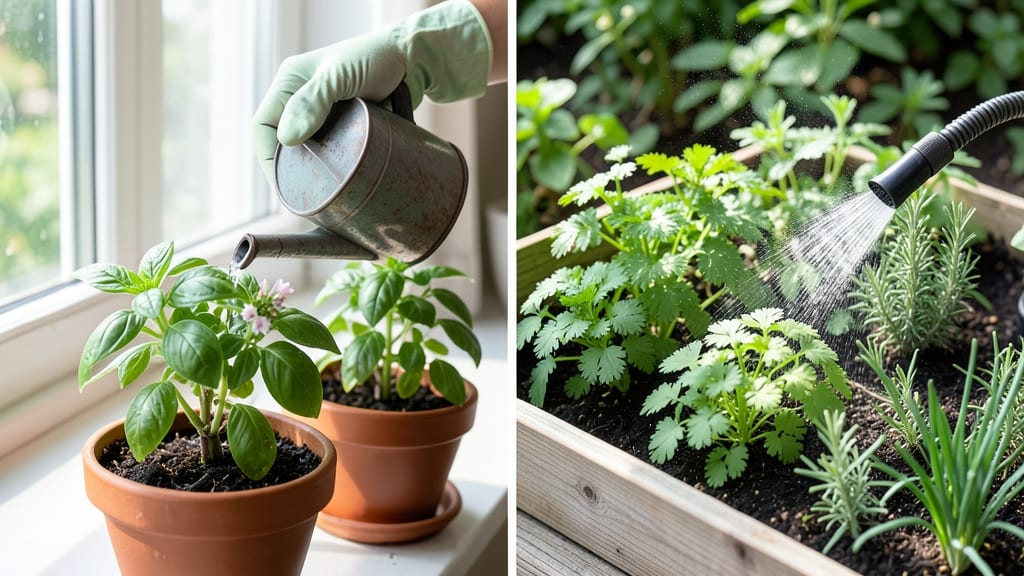
To water an herb garden properly, check soil moisture every 3-5 days—but the real secret is adjusting for your soil type and herb needs.
Overwatering or underwatering your 🌿 herb garden can turn your kitchen staples into sad, wilted relics—yet most gardeners guess rather than measure. The secret to lush basil, thriving thyme, and perfect parsley lies in a simple soil check method that saves time, water, and frustration.
Different herbs have different thirst levels—basil needs consistent moisture, while rosemary thrives with less. Clay soil holds water longer than sandy soil, and container gardens dry out faster than in-ground beds. Without the right approach, you risk stunted growth or even root rot.
Below, I’ll break down the exact watering schedule for your herb garden, including when to adjust for heatwaves, rain, and seasonal changes. You’ll learn how to read your soil, spot early signs of over- or under-watering, and keep your herbs vibrant all season long.
The perfect watering schedule for herb gardens based on soil type
Your herb garden's health depends more on soil type than you might think. Sandy soil drains water like a sieve, while clay soil holds moisture like a sponge—both extremes demand different watering strategies. Even loamy soil, the gardener's gold, requires precision.
Without knowing your soil's behavior, you risk drowning your basil or starving your rosemary. Let's fix that with science-backed watering schedules tailored to your garden's foundation.
First, identify your soil type using the squeeze test. Grab a handful of damp soil and press it gently—if it crumbles easily, you've got sandy soil. If it holds its shape but cracks when dropped, it's loamy.
If it sticks together like clay pottery, congratulations, you're dealing with clay soil. This simple test reveals why your cilantro wilts faster than your thyme in the same pot. Understanding this difference is your first step toward consistent watering success.
Here's how soil types affect watering frequency for common herbs. The table below shows watering intervals for sandy, loamy, and clay soils during peak growing season (spring-summer). Remember, container herbs dry out faster than in-ground plants, so adjust accordingly.
For sandy soil, water deeply but infrequently—think of it like giving your herbs a long drink instead of sips. My basil in sandy containers wilts by noon if I forget to water overnight.
The key is to water until you see runoff from the drainage holes, ensuring roots get hydrated all the way through. Loamy soil is forgiving but still needs monitoring. I check moisture by sticking my finger 2 inches deep; if it feels dry, it's time to water.
Clay soil gardeners have the easiest time with watering schedules because it retains moisture longer. However, this same trait can lead to root rot if you overcompensate. My mint in clay soil thrives on a strict every 4-5 days schedule during summer.
The trick is to water thoroughly but less often, allowing the top 3 inches to dry completely between sessions. This prevents fungal growth while keeping roots happy.
Seasonal adjustments are crucial. During spring, when herbs are establishing roots, sandy soils may need watering every 1-2 days, while clay soils can stretch to 3-4 days. In summer's heat, even clay soil might require watering every 3-4 days for container herbs.
I always double-check by lifting pots—if they feel light, it's time to water regardless of the schedule. This tactile method has saved my rosemary from heat stress more times than I can count.
Herb types also play a role. Basil and cilantro love consistent moisture and do best in sandy or loamy soils with frequent watering. Meanwhile, rosemary and thyme prefer drier conditions and can handle clay soil's moisture retention better than other herbs.
When planting, group herbs with similar water needs together. My container garden has a "thirsty" section with basil and parsley, and a "drought-tolerant" section with rosemary and thyme, making watering much more efficient.
Don't forget about mulching, which can reduce watering frequency by up to 30% by slowing evaporation. I use straw mulch around my in-ground herbs, which keeps the soil moist longer and suppresses weeds.
For container herbs, a layer of gravel at the bottom of pots improves drainage while helping retain moisture. These small adjustments make a big difference in maintaining consistent soil moisture without overwatering.
To test your soil's moisture retention, perform the paper towel test. Dig a 2-inch hole near your herbs, place a paper towel at the bottom, then cover it with soil. After 24 hours, check the towel—if it's dry, your soil drains too quickly (sandy).
If it's damp, you've got moisture-retentive soil (clay or loamy). This simple test helps fine-tune your watering schedule without guesswork. I perform this test every 2 weeks to adjust my routine as seasons change.
Remember, overwatering is just as damaging as underwatering. Yellowing leaves, moldy soil, or herbs that feel mushy to the touch are clear signs you're giving your plants too much love. On the flip side, crispy leaves and wilting stems mean it's time to hydrate.
By mastering your soil type and using these watering guidelines, you'll create an herb garden that's lush, flavorful, and low-maintenance. Your future self—and your cooking—will thank you.
Signs your herb garden needs water (and when to hold back)
Your herb garden communicates thirst through subtle but telling signs. Wilting leaves are the most obvious clue, but yellowing foliage or crispy edges can also signal trouble. The key is distinguishing between underwatering and overwatering—both can mimic each other if you're not careful.
First, examine the soil texture. Stick your finger about 1 inch deep. If it feels dry and crumbly, your herbs need water.
But if it's soggy or muddy, you've overdone it. Humidity levels also play a role—dry air in summer demands more frequent watering, while damp spring days may require patience.
⚠️ How Often to Water Herb Garden?
Herbs in small containers need water every 2-3 days in summer, while in-ground herbs thrive on every 5-7 days. Mulch reduces evaporation by 30%, cutting water needs. Always check soil moisture before watering—dry topsoil = thirsty herbs.
💡 Pro Tip: Water deeply but infrequently to encourage strong root growth.
Watch for leaf color changes—dull or grayish leaves mean underwatering, while yellowing between veins often signals overwatering. Rosemary and thyme are drought-tolerant and may wilt slightly before needing water, but basil and parsley prefer consistently moist soil.
Seasonal shifts demand adjustments. In summer heat, herbs may need daily watering, especially in containers that dry out faster. Conversely, fall and winter slow growth, so reduce watering to every 10-14 days unless potted herbs are indoors with dry air.
Don't ignore root health. Gently tug on a plant—if it pulls away easily, roots are dry. If it resists, the soil may be waterlogged. Mold or fungus on soil or stems? You're overwatering. Crispy leaf edges? Time to hydrate.
Balance is key: consistent moisture without soggy soil keeps herbs vibrant. Use a moisture meter for precision, or master the finger test. With practice, you'll read your garden's needs like a pro.