
How To
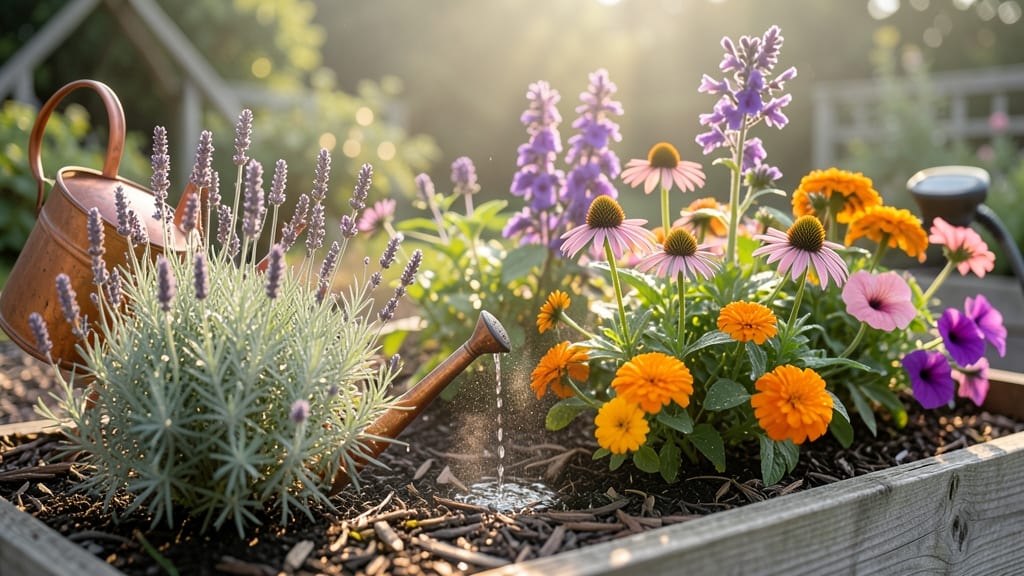
To water your garden correctly, you need to match your schedule to your soil type—because what works for sandy soil will drown clay-bound roots.
Struggling to keep your 🌱 General Garden Plants lush and healthy? Overwatering or underwatering can kill plants faster than pests—so knowing the exact watering schedule for your soil type is non-negotiable.
One too many days without water, and your herbs wilt. One too many days with soggy soil, and your tomatoes rot at the roots.
Most gardeners guess based on the weather forecast, but the real secret lies in your soil’s thirst level. Sandy soil drains fast and needs frequent, shallow drinks, while clay holds moisture like a sponge and chokes roots if overwatered.
Even in USDA Zone 6a, where spring planting runs from April to May, your watering rhythm shifts with the season.
Here’s how to dial in the perfect schedule: test your soil’s moisture, adjust for heat waves or rain, and master the art of deep watering. By the end, you’ll know exactly when to reach for the hose—and when to hold back.
Soil type watering schedule: how often to water different garden soils
Your garden’s soil type determines how often you should water—get it wrong, and even drought-resistant plants will suffer. Clay soil holds moisture for days, while sandy soil drains like a sieve.
Understanding your soil’s behavior means the difference between thriving blooms and wilted stems. Let’s break down the science-backed watering schedule for each garden soil type so you can water with confidence.
Before diving into schedules, grab a handful of damp soil and squeeze it—if it holds its shape, you’ve got clay soil. If it crumbles instantly, it’s sandy. Loamy soil (the gold standard) feels like a damp sponge.
Rocky soil? Water drains faster than you can blink. Knowing your soil’s moisture retention is the first step to perfect hydration. Let’s match your soil to the right watering rhythm.
| Soil Type | Moisture Retention | Watering Frequency | Key Signs to Watch |
|---|---|---|---|
| Clay Soil | High (holds water for days) | Every 7-10 days (deep watering) | Cracked soil, water pooling |
| Sandy Soil | Low (drains in hours) | Every 2-3 days (light but frequent) | Dry patches, plants wilting fast |
| Loamy Soil | Moderate (ideal balance) | Every 5-7 days (deep soak) | Slightly damp 1-2 inches down |
| Rocky Soil | Very Low (water escapes quickly) | Every 1-2 days (mulch heavily) | Plants dry out overnight |
If you’re unsure about your soil, do the squeeze test: Grab a handful of moist soil and press gently. If it holds its shape, you’ve got clay soil. If it crumbles instantly, it’s sandy. Loamy soil will feel soft and slightly sticky—like a well-worn sneaker.
For rocky soil, water disappears faster than you can say “drip irrigation.” Adjust your schedule based on these clues to avoid drowning or dehydrating your plants.
Clay soil is like a sponge that won’t let go—watering every 7-10 days is usually enough, but check for cracked soil or water pooling. Overwatering here leads to root rot, so let the top 2 inches dry out between waterings. Sandy soil, on the other hand, drains like a colander, so water every 2-3 days in short bursts. Look for dry patches or plants wilting by noon—these are red flags.
For loamy soil (the gardener’s dream), aim for deep watering every 5-7 days. This soil holds moisture just right, so your plants stay hydrated without soggy roots.
Stick your finger 1-2 inches deep—if it feels slightly damp, hold off. Rocky soil is the trickiest; water every 1-2 days and mulch heavily to slow evaporation. Without mulch, plants dry out overnight, leaving you scrambling to revive wilted leaves.
Seasonal shifts change everything. In summer heat, sandy soil may need daily watering, while clay soil might only need a weekly deep soak. In winter, cut back to bi-weekly watering unless you’re growing winter greens.
Always water in the early morning to reduce evaporation and fungal risks. Pro tip: Use a moisture meter for precision—no more guesswork!
Mulching is your secret weapon. A 2-3 inch layer of mulch (straw, wood chips, or leaves) locks in moisture, cutting watering needs by 30-50%. For sandy soil, mulch prevents rapid drying; for clay soil, it slows water loss.
Even loamy soil benefits—just don’t pile mulch against plant stems to avoid rot. Pair mulch with drip irrigation for the ultimate watering hack.
Watch your plants for visual cues: Yellowing leaves? Overwatered. Crispy edges? Underwatered. Clay soil plants often show stunted growth from poor drainage, while sandy soil plants wilt by midday. Adjust your schedule based on these signs, not just the calendar. Remember, deep watering (1-2 inches per session) beats shallow
Signs your plants are thirsty (or drowning): visual cues to adjust watering
Your garden plants send clear visual signals when their water needs aren't met. Ignoring these cues can lead to stunted growth or even plant death. The key is learning to read leaf texture, soil condition, and stem appearance like a pro gardener.
I've seen firsthand how a simple check can prevent irreversible damage—don't guess, observe!
Start by examining your soil moisture before checking the plants themselves. Stick your finger about 1-2 inches deep—if it feels dry, your plants need water.
For container plants, lift the pot: if it's light, it's time to water. These simple tests save hours of trial-and-error watering that often leads to overwatering.
Watering Mistakes: Pros & Cons
- Water deeply 1-2x/week
- Check soil moisture before watering
- Water in morning hours (6-9 AM)
- Use drip irrigation for consistency
- Water lightly daily (encourages shallow roots)
- Ignore wilting leaves until too late
- Water at night (increases fungal risk)
- Use sprinklers for thirsty plants
Watch for drooping leaves that don't perk up after watering—this is a classic sign of chronic underwatering. However, if leaves feel mushy or stems appear hollow, you're dealing with overwatering. Yellowing leaves between veins often indicate too much water, while crispy brown edges suggest drought stress.
I've had to rescue plants from both scenarios, and the fix is always adjusting your watering rhythm.
Don't overlook the root zone when diagnosing hydration issues. For most garden plants, the top 6 inches of soil should stay consistently moist but not soggy. Use a moisture meter for precision, especially in clay-heavy soils that retain water longer.
My tomato plants thrive when I maintain this balance—any deviation leads to blossom end rot or root rot.
Seasonal changes dramatically affect water needs. In summer heat, I water my vegetable garden daily, while in winter dormancy, I reduce frequency to every 2 weeks.
Pay attention to weather patterns—afternoon thunderstorms mean I can skip watering for 2-3 days. This adaptability keeps my garden thriving without wasting water.
Remember, every plant has unique needs. Your succulents and lavender might need less frequent watering than your tomatoes and peppers. Keep a simple watering journal noting what works best for each plant type.
Over time, you'll develop an intuitive sense of when to reach for the hose or skip the watering can entirely.