
How To
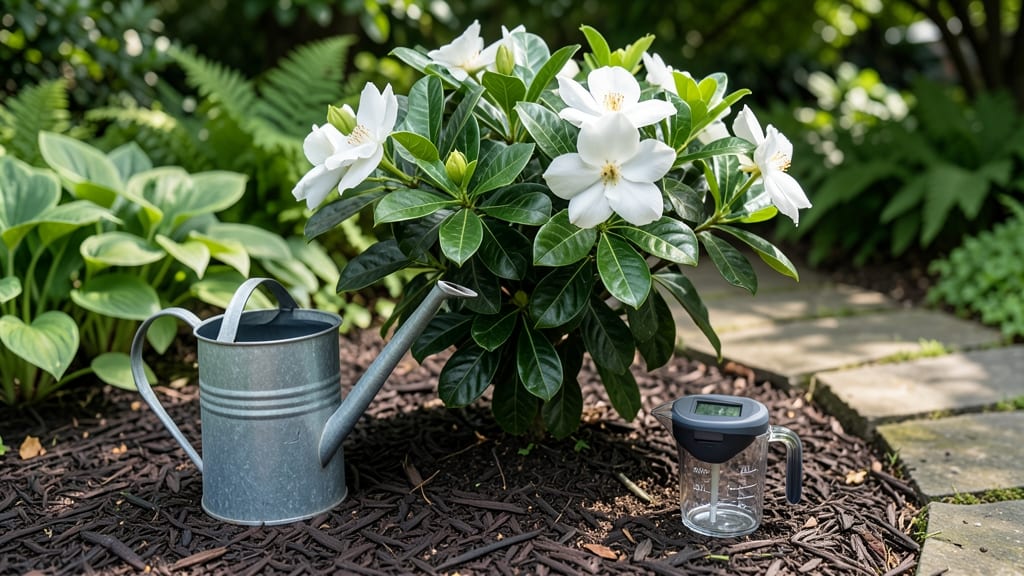
To water gardenia plants properly, aim for deep soaks every 2-3 days—but timing and technique make all the difference between fragrant blooms and wilted leaves.
Picture this: You’ve spent months nurturing your 🌸 gardenia, only to watch its leaves yellow or drop off overnight. The culprit? Too much water, too little, or the wrong time of day. Gardenias are finicky about moisture—they crave consistency but despise soggy roots.
In USDA Zone 6a, where spring planting kicks off in April, your watering schedule shifts with the seasons. Summer heat demands daily checks, while winter slows things down to every 10 days. The key isn’t just how often—it’s how deep and when you water.
Below, I’ll break down the exact soil test method to avoid overwatering, the best times to hydrate (hint: morning wins), and how potted vs. in-ground gardenias need different care. Skip the guesswork and keep your plant thriving.
Gardenia watering schedule by growth stage: soil moisture guide
Gardenias thrive on consistency, but their watering needs change dramatically from seedling stage to full bloom. Too much water causes root rot, while too little leads to wilting and dropped buds.
The key lies in soil moisture testing—stick your finger 2 inches deep and adjust based on dryness. Potted gardenias dry out faster than in-ground plants, so they need more frequent checks.
Young seedlings require daily moisture checks because their small root systems can't hold water long. Mature plants, however, prefer deep watering every 2-3 days during summer months when evaporation spikes.
The flowering stage is critical—consistent moisture here ensures those fragrant blooms stay vibrant. Seasonal shifts also play a role: winter slows water needs by up to 50%.
Soil type matters: Sandy soil drains quickly, while clay holds moisture too long. Amend your gardenia's soil with peat moss or perlite to create ideal drainage. For potted plants, ensure pots have drainage holes and use a well-draining acidic mix. Always water at the base—never overhead—to prevent fungal diseases that thrive in damp foliage.
During the flowering season, gardenias need extra attention. When buds form, increase watering slightly to every 2-3 days—this prevents buds from dropping before they open. Use a moisture meter for accuracy, especially in containers where roots can't spread.
In-ground plants benefit from mulching with pine bark to retain moisture and regulate soil temperature.
Potted gardenias are the most demanding—check soil moisture twice daily in summer heat. If the pot feels light, it's time to water. For in-ground plants, dig down 3 inches near the base: if dry, water deeply until moisture reaches 6 inches deep.
Overwatering is the #1 killer, so always let the top layer dry slightly between waterings, even if it seems counterintuitive.
Seasonal shifts demand watering schedule adjustments. In spring and fall, aim for every 3-4 days with deep soaks. Summer heat may require daily watering, especially for potted plants. Winter slows growth, so reduce to bi-weekly waterings or when the top 1-2 inches of soil feel dry.
Always water in the early morning to allow foliage to dry before evening humidity sets in.
Signs of overwatering include yellowing leaves, mushy stems, or a foul odor from the soil. Underwatered gardenias show wilting, crispy leaf edges, and buds that fail to open.
If you spot these, adjust immediately: for overwatering, let the soil dry completely before resuming; for underwatering, give a slow deep watering and mulch heavily to retain moisture.
For acid-loving gardenias, use rainwater or distilled water when possible—tap water's minerals can alter soil pH. If using tap water, let it sit out for 24 hours before watering to reduce chlorine.
A simple soil pH test kit helps monitor acidity levels (ideal range: 5.0-6.5). Pair this with a balanced acidic fertilizer every 6-8 weeks during growing months for optimal blooms.
Pro tip: Group gardenias with other moisture-loving plants like azaleas or camellias to create a microclimate that retains humidity. This reduces the frequency of watering while keeping roots happy. Always water at the base of the plant—never overhead—to protect those delicate blooms from fungal spores lurking in the air.
With this stage-specific watering guide, your gardenia will reward you with glossy leaves and intoxicating blooms year after year. The secret? Consistency and soil moisture awareness—your gardenia will tell you what it needs if you listen closely. 🌸
5 Signs your gardenia needs water (and when to hold back)
Gardenias communicate their thirst through subtle but telling signs—many gardeners mistake these cues for disease or poor health. The key is learning to read your plant's leaf texture, soil moisture, and even its root behavior.
Unlike drought-tolerant plants, gardenias wilt even when soil feels damp, thanks to their shallow, moisture-loving roots. Let’s decode the 5 most common signals before your gardenia throws in the towel.
First, check the leaf edges. If they curl downward like a taco shell or develop crispy brown tips, your gardenia is screaming for water. This happens when the roots can’t pull enough moisture from dry soil.
But here’s the twist: gardenias also wilt when overwatered, so always pair leaf signals with a soil test. Stick your finger 2-3 inches deep—if it’s bone-dry, water immediately. If it’s soggy, hold off and check for root rot.
🌱 How to Test Your Gardenia’s Water Needs
- 1. Leaf Curl Test: Gently press a leaf—if it springs back slowly, it’s thirsty. If it stays curled, it’s overwatered.
- 2. Soil Squeeze: Grab a handful of soil. If it crumbles like dry sand, water now. If it sticks to your fingers, wait 2-3 days.
- 3. Pot Weight Check: Lift your potted gardenia. If it feels light, roots are dry. If it’s heavy, soil may be waterlogged.
- 4. Root Inspection: For potted plants, peek at the roots. Healthy roots are white; mushy or black roots mean root rot.
- 5. Dropped Buds: If buds fall before blooming, it’s often due to inconsistent moisture—either too much or too little.
Next, pay attention to the stem and branches. When underwatered, stems may feel hollow or brittle when touched. But if they’re soft and mushy, that’s a red flag for overwatering.
Pro tip: Gardenias in flowering stage need slightly more water—buds and blooms are heavy, pulling moisture from the roots. If you notice buds dropping or flowers wilting by midday, increase watering frequency by 25% for 1-2 weeks.
Don’t ignore the soil surface. A crusty, white layer (called efflorescence) means excess salts from tap water are blocking moisture absorption. Flush the soil with distilled or rainwater to dissolve these deposits.
For potted gardenias, this happens faster—check the top inch of soil daily during summer. If it’s dry to the touch, water thoroughly until it drains from the bottom.
One of the trickiest signs is yellowing leaves. While this often signals overwatering, gardenias also turn yellow when roots can’t access nutrients due to compacted soil or underwatering. To diagnose: Lift the plant gently.
If roots are tangled and circling (a sign of root-bound pots), repot immediately. If soil is hard as a rock, amend it with peat moss or perlite to improve drainage.
Finally, trust your nose. Healthy gardenias emit a sweet, citrusy fragrance, especially in the morning. A sour or rotten smell from the soil or a musty odor from the leaves? That’s your gardenia’s way of saying, “I’m drowning.”
Act fast: Move potted plants to a shady spot, remove soggy mulch, and let the soil dry out for 3-4 days before watering again. For in-ground plants, improve drainage by adding organic compost around the base.