
Fertilization
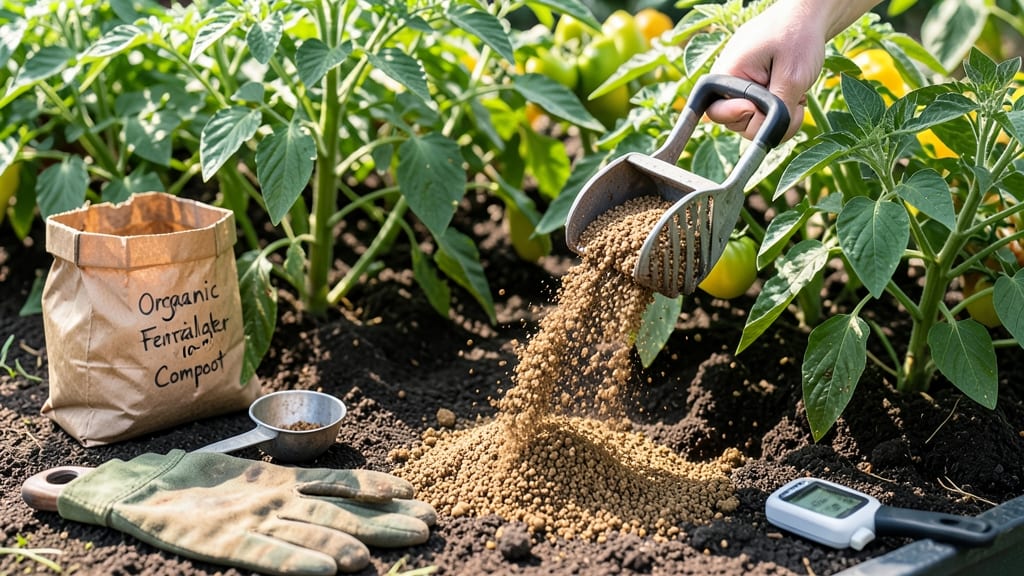
Fertilizing your garden the right way means feeding your plants every 4 to 6 weeks during their active growing season — but timing, type, and plant needs make all the difference.
Picture this: You’ve spent weeks nurturing your 🌱 General Garden Plants, only to watch them wilt or bolt after a heavy-handed fertilizer dump. Or worse, you skip it entirely and see stunted growth or pale leaves.
The truth? Most gardeners overcomplicate it — but the science behind seasonal fertilization is simpler than you think.
Whether you’re growing leafy greens, flowering perennials, or a lush lawn, the key lies in matching your schedule to your plants’ life stages. Too much too soon? You’ll burn roots. Too little too late?
You’ll miss critical growth spurts. This guide breaks down the exact timing for vegetables, flowers, and lawns — plus how to read your soil and plants for clues.
From organic compost to synthetic blends, we’ll cover the best fertilizers for your USDA Zone 6a garden, when to apply them, and how to adjust for drought or heavy rains. Ready to stop guessing and start growing with confidence?

Fertilization frequency by plant type: a seasonal breakdown
Fertilizing your garden isn't a one-size-fits-all task—each plant type has unique needs that change with the seasons. Fast-growing leafy greens like lettuce need frequent feeding, while perennials like lavender thrive on slow-release nutrients. Understanding these differences ensures your plants get just what they need, when they need it.
The key is balancing nitrogen for growth, phosphorus for roots, and potassium for resilience—but the timing matters as much as the mix.
Seasonal adjustments are critical: spring kickstarts growth, summer maintains it, and fall prepares plants for dormancy. Over-fertilizing in late summer can lead to weak growth, while skipping spring feedings stunts early development.
Let’s break down the ideal schedules for your garden’s most common plant types, so you can avoid common pitfalls like burnt leaves or stunted blooms.
🌱 Tip: Always water your plants before applying fertilizer to prevent root burn. This simple step can save your garden from costly mistakes.
| Plant Type | Seasonal Schedule | Frequency | Fertilizer Type | Key Notes |
|---|---|---|---|---|
| Annuals (e.g., tomatoes, marigolds) | Spring: Start at planting Summer: Every 2-3 weeks Fall: Stop 4-6 weeks before frost |
High-nitrogen early, balanced mid-season | Liquid or granular (10-10-10) | Fast growers need frequent feeding |
| Perennials (e.g., roses, hostas) | Spring: Early season Summer: Every 6-8 weeks Fall: None |
Slow-release organic (e.g., compost) | Balanced or phosphorus-heavy | Established roots need less frequent care |
| Vegetables (e.g., lettuce, peppers) | Spring: At planting Summer: Every 3-4 weeks Fall: Light feeding until harvest |
Nitrogen-rich early, potassium late | Fish emulsion or synthetic | Leafy greens need more nitrogen |
| Fruit Plants (e.g., berries, citrus) | Spring: Heavy early Summer: Monthly Fall: None |
Slow-release or organic | Phosphorus-heavy for root growth | Young plants need extra phosphorus |
| Lawns (Grass) | Spring: Early Summer: Every 6-8 weeks Fall: None |
Slow-release granular | Nitrogen-focused | Avoid late-summer feeding |
For annuals like tomatoes and marigolds, the growing season is short but intense. Start fertilizing at planting with a high-nitrogen mix to encourage leafy growth, then switch to a balanced 10-10-10 every 2-3 weeks.
Stop feeding 4-6 weeks before the first frost to avoid tender new growth that won’t survive cold snaps. Liquid fertilizers are ideal here—they’re absorbed quickly, which fast-growing plants crave.
Perennials, on the other hand, are the low-maintenance stars of the garden. They’ve built up roots over years, so they don’t need frequent feeding. Focus on spring and early summer with a slow-release organic fertilizer like compost or bone meal.
This gives them a steady supply of nutrients without overwhelming them. Phosphorus-heavy fertilizers in spring help establish strong root systems for the season ahead.
Vegetables like lettuce and peppers are hungry feeders but have specific needs. Leafy greens thrive on nitrogen-rich fertilizers early in the season, while fruiting plants (like peppers) benefit from a potassium boost as they mature.
Split your feeding into three phases: planting, mid-season, and late-season to match their growth stages. For example, peppers need less nitrogen as they fruit to avoid leafy growth at the expense of harvest.
Fruit plants, including berries and citrus, are long-term investments that repay your patience with bountiful harvests.
Young fruit plants need phosphorus-heavy fertilizers to develop strong roots, while established plants benefit from balanced or potassium-rich feeds during fruiting. Citrus trees, for instance, should get a monthly feeding in summer with a fertilizer high in micronutrients like iron and zinc.
Always water deeply after fertilizing to prevent salt buildup in the soil.
Lawns are often overlooked but deserve attention too. Spring and early summer are the only times to fertilize, using a slow-release granular with high nitrogen. Avoid feeding in late summer—this encourages tender growth that’s vulnerable to frost or drought. Fall is a no-fertil
Signs your garden needs fertilizer (and when to stop)
Your plants whisper clues about their needs—you just have to learn their language. Yellowing leaves, especially on older foliage, often signal nitrogen deficiency, while stunted growth or weak stems may mean phosphorus or potassium is lacking.
Even pale green leaves can indicate your soil isn’t providing enough nutrients for vibrant photosynthesis. But here’s the catch: these signs can also mean overwatering or poor drainage, so always check your soil first.
Don’t ignore blooming cycles either. If your annual flowers produce fewer blooms than usual or perennials fail to rebloom, they’re likely starving for nutrients. Even vegetable plants like tomatoes or peppers will show stress—smaller fruit, bitter flavors, or blossom end rot—when their fertilizer needs aren’t met.
The key is observing these patterns before they become critical.
⚠️ callout-warning
- Monthly max: Never fertilize more than once every 3-4 weeks during active growth.
- Seasonal pause: Stop fertilizing 6-8 weeks before first frost to avoid tender new growth.
- Soil test first: If your soil pH is below 6.0, fertilizing may burn roots—amend soil before feeding.
If you suspect over-fertilization, act fast. Flush the soil with 2-3 inches of water to leach excess salts, then let the top layer dry slightly before watering again. For severely damaged plants, trim affected leaves and reduce watering temporarily to help roots recover.
In extreme cases, repotting or transplanting may be necessary to save your plants—though this is a last resort for container gardens.
New gardeners often make the mistake of fertilizing too early in spring or too late in fall. Cool soil temperatures can prevent roots from absorbing nutrients efficiently, wasting your efforts. Instead, wait until soil reaches 60°F+ and focus on root development first with a balanced 10-10-10 fertilizer.
Once plants are established (usually 4-6 weeks after transplanting), you can adjust to higher-phosphorus feeds for blooming plants.
For lawns, the rules change slightly.
Apply slow-release fertilizer in early spring and late summer, avoiding fall applications that encourage late-season growth vulnerable to frost. Mature trees and shrubs, on the other hand, often need feeding only once a year in early spring—unless they’re in highly competitive or poor soil.
Always match your fertilization schedule to your plants’ growth cycles, not just the calendar.
Remember: Healthy soil = happy plants. If your garden consistently needs fertilizer every few weeks, it’s a sign your soil is depleted. Invest in compost or organic matter to build long-term fertility.
Over time, you’ll find the sweet spot where your plants thrive without constant feeding—usually 2-4 applications per season, depending on your climate and plant types. 🌱