
Watering
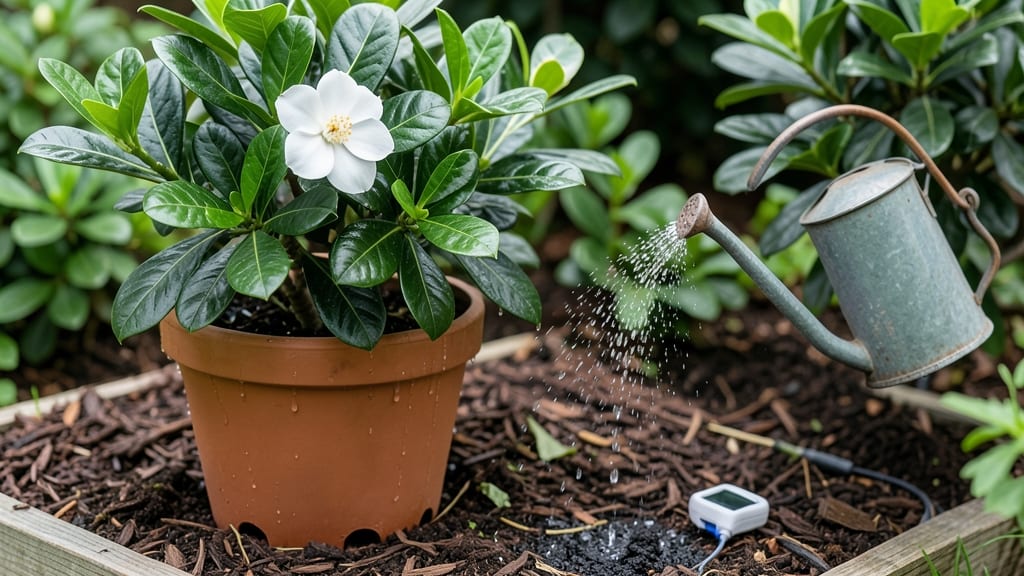
To water a gardenia properly, aim for deep, consistent moisture—about 1.5 to 2 liters every 3 to 5 days, depending on heat and soil.
Struggling to keep your gardenia blooming with its signature intoxicating fragrance? The secret often lies in mastering its watering needs—too much or too little can spell disaster for these tropical beauties. 🌸
Here’s the catch: gardenias hate soggy roots but won’t thrive if their soil dries out. A simple finger test in the top inch of soil tells you everything you need to know—damp but not wet is the gold standard.
Below, I’ll walk you through the exact schedule for each season, how to spot over- or underwatering, and the tools (like moisture meters) that make this easier than guessing. Your gardenia’s next bloom is just a watering habit away.
Optimal watering schedule for gardenias: when and how much
Mastering the watering schedule for your gardenia is the key to those glossy leaves and fragrant blooms you adore. These tropical shrubs crave consistent moisture but despise soggy roots—finding that perfect balance is essential.
Unlike drought-tolerant plants, gardenias thrive on regular hydration, especially during their active growing months. The challenge? Adjusting your watering routine with the changing seasons and your local climate.
I’ve learned through trial and error (and a few sad, droopy gardenias) that seasonal adjustments are non-negotiable. What works in summer’s heat will drown your plant in winter’s chill. The solution?
A moisture-based approach—checking soil conditions before watering—rather than sticking to a rigid schedule. This method prevents both root rot and drought stress, keeping your gardenia lush year-round.
Let’s start with spring watering, the season when your gardenia wakes up from its winter nap. During these warmer months, I aim to water every 3-4 days, but I always check the top 1-2 inches of soil first.
Stick your finger in—if it feels dry, it’s time to water. Morning watering is critical here because it gives the foliage time to dry before evening, reducing the risk of fungal diseases like powdery mildew.
When summer heat rolls in, your gardenia’s water needs skyrocket. I switch to daily watering in the early morning—before 10 AM—to prevent stress. The key is deep watering: soak the soil until water drains from the bottom of the pot (or 6-8 inches deep for in-ground plants).
This encourages strong root growth and vibrant blooms. Pro tip: Use a moisture meter or the "squeeze test"—grab a handful of soil; if it crumbles, water again.
As fall arrives, I gradually reduce watering frequency to match the cooling temperatures. By September, I’m checking the top 2-3 inches of soil and watering every 5-7 days. This adjustment prevents
Signs your gardenia needs water (and when to hold back)
Gardenia plants thrive on consistent moisture, but their tropical roots can't handle soggy soil. Learning to read your plant's signals is key to avoiding root rot or leaf scorch.
The trick lies in observing both visual cues and soil texture—two simple checks that reveal whether your gardenia is thirsty or drowning.
Start by checking the top 1-2 inches of soil. If it feels dry to the touch, your gardenia needs water. But if it's still damp, hold off—overwatering is just as deadly.
Gardenias also communicate through their leaves: wilted, yellowing, or curling leaves are classic thirst signals, while mushy stems or drooping foliage scream "too much water!"
💧 Watering Gardenia: Pros & Cons
When your gardenia's leaves start curling at the edges, it's often a cry for help. This leaf curl usually means the roots are drying out, especially in hot summer months. To test, gently tug on a leaf—if it resists, the plant is thirsty.
For potted gardenias, lift the pot: if it's lightweight, water immediately. Established plants in the ground may need water when the soil pulls away from the edges of the hole.
Yellowing leaves? This could mean either overwatering or underwatering, depending on other symptoms. Check the leaf stems: if they're mushy, you're overdoing it. If they're crispy and brown, your gardenia is parched.
Adjust your watering schedule accordingly—daily shallow watering in summer can stress roots, while deep weekly soaks in cooler months keep them happy.
For container gardenias, the rules change slightly. Smaller pots dry out faster, so check soil moisture every 2-3 days in summer.
If the top inch feels dry, water until it drains from the bottom. Mulch helps retain moisture—apply a 2-inch layer of organic mulch around the base (but keep it away from the trunk to prevent rot). This simple trick can cut watering needs by 30-50%.
Remember, gardenias are tropical plants that love humidity. If your home is dry, consider placing a pebble tray under the pot or misting leaves lightly in the morning. But avoid wetting the blooms—this can cause brown spots and ruin their fragrance.
Balance is everything: keep the soil evenly moist, not soggy or bone-dry, and your gardenia will reward you with lush blooms all season. 🌸