
Light Requirements
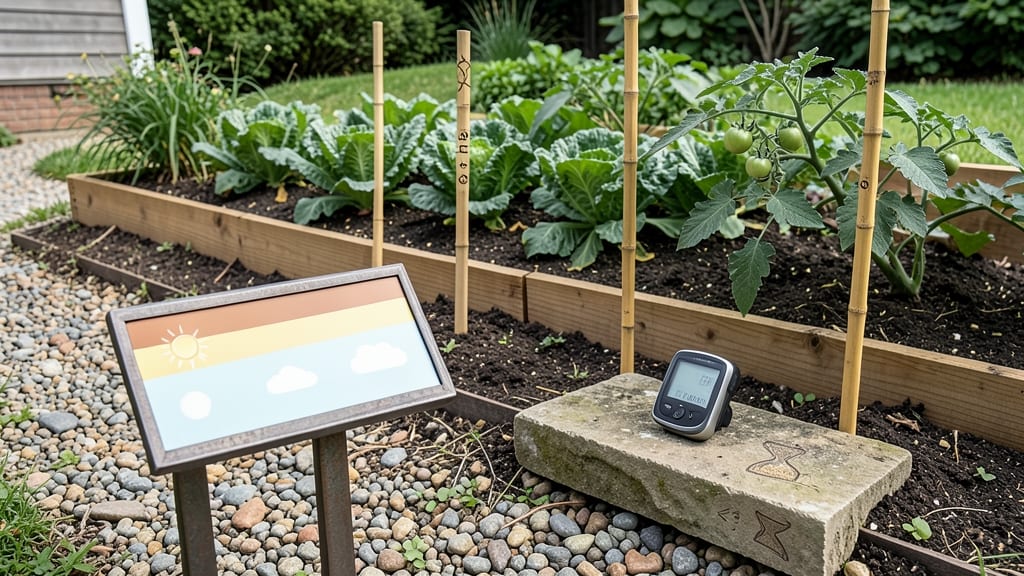
A vegetable garden needs 6 to 8 hours of sunlight daily 🥬 to produce strong, healthy plants—but too much or too little can ruin your harvest before it even starts.
Struggling to decide where to plant your tomatoes or why your lettuce keeps bolting? Sunlight is the secret ingredient that determines whether your vegetable garden thrives or fails—and getting it wrong can mean the difference between a bountiful harvest and wasted effort.
Most vegetables crave full sun, but some, like leafy greens, handle partial shade better. The key is matching each plant to the right spot in your garden, whether that’s a sunny border or a dappled shade patch under a tree.
In this guide, I’ll break down exactly how many hours each type of vegetable needs, how to measure sunlight in your yard, and how to fix common mistakes—so you can grow a garden that’s as productive as it is beautiful.
 Best Window Placement
Sunlight requirements for vegetable gardens: full sun vs partial shade breakdown
Sunlight is the lifeblood of your vegetable garden—without it, even the hardiest plants struggle to thrive. Most vegetables need 6-8 hours of direct sunlight daily to produce abundant harvests, but not all plants have the same requirements.
Understanding these differences is key to arranging your garden for maximum efficiency and yield. For example, tomatoes and peppers demand full sun, while leafy greens like spinach can tolerate partial shade, making smart placement essential.
One common misconception is that "partial shade" means any spot with dappled light will work. In reality, partial shade ranges from 3-6 hours of sun, and even shade-tolerant plants need the right balance.
A south-facing garden bed gets the most sunlight, while north-facing areas or spots under trees may only receive filtered light. Knowing how to interpret these patterns ensures you place the right plants in the right spots, avoiding wasted space or underperforming crops.
| Plant Type | Sunlight Needs | Daily Sun Hours | Notes |
|---|---|---|---|
| Tomatoes, Peppers, Eggplants | Full Sun | 6-8+ hours | Needs intense light for fruiting; leggy growth if shaded. |
| Cucumbers, Zucchini, Squash | Full Sun | 6-8 hours | Vining plants need space; trellis for vertical growth. |
| Beans, Corn, Okra | Full Sun | 6-8 hours | Corn needs consistent sun; beans tolerate slight shade. |
| Lettuce, Spinach, Kale | Partial Shade | 3-6 hours | Bolts in heat; prefers cooler, shadier spots. |
| Carrots, Radishes, Beets | Partial Sun | 4-6 hours | Root crops need light but avoid intense midday sun. |
| Green Onions, Peas, Broccoli | Partial Shade | 3-5 hours | Peas thrive in cooler, shadier conditions. |
| Swiss Chard, Mustard Greens | Partial Shade | 3-6 hours | Heat-sensitive; prefers morning sun. |
Grouping plants with similar sunlight needs is a game-changer for space efficiency. For instance, place tomatoes, peppers, and cucumbers together in the sunniest spot, while lettuce and spinach can share a slightly shadier area.
This not only maximizes your garden’s potential but also reduces the risk of overcrowding or competition for light. Think of your garden as a layered ecosystem—tall plants like corn or sunflowers can provide shade for shorter, shade-tolerant crops like lettuce or radishes.
Another critical tip is to observe your garden’s microclimates. A spot near a fence or under a tree might receive only 3 hours of sun, while a raised bed in the open gets 8+ hours.
Use a sunlight tracker (or even a simple app) to log sunlight patterns for a week before planting. This data helps you assign the right plants to each zone, ensuring no spot is wasted.
For example, if a corner gets only morning sun, it’s perfect for leafy greens or herbs that thrive in cooler conditions.
Partial shade is often misunderstood—it’s not just "some light." Morning sun vs. afternoon sun makes a difference too. Plants like basil or parsley prefer gentle morning light to avoid leaf scorch from harsh afternoon rays. Conversely, tomatoes and peppers need intense midday sun to set fruit.
Pay attention to the angle of sunlight in your garden: east-facing beds get morning light, west-facing beds get afternoon heat, and north-facing beds may stay cooler but shadier.
If your garden has limited sunlight, don’t despair—there are still ways to grow a productive harvest. Reflective surfaces, like white mulch or light-colored containers, can bounce extra light onto plants. Vertical gardening with trellises or cages also maximizes space for sun-loving crops like cucumbers or beans.
Even in shady spots, shade-tolerant varieties of lettuce, spinach, or kale can thrive with just 3-4 hours of indirect light, proving that sunlight flexibility is key to a successful garden.
One of the biggest mistakes gardeners make is assuming all vegetables need the same amount of sun. Leafy greens vs. fruiting plants have vastly different needs—while lettuce can bolt in too much sun, tomatoes won’t produce without enough.
Plan your layout by sunlight zones, starting with the sunniest area and working your way to the shadiest. This approach ensures every plant gets the light it needs, whether it’s 6+ hours for tomatoes or just 3 hours for peas.
For beginners, start with a simple layout: dedicate the sunniest bed to tomatoes, peppers, and cucumbers, the moderately sunny area to beans, carrots, and herbs, and the shadiest spot to lettuce, spinach, and peas. As you gain
How to measure and adjust sunlight in your garden for maximum yield
Sunlight is the lifeblood of your vegetable garden, but not all plants need the same amount. Too little leads to weak growth, while too much can scorch leaves. The key is understanding how to measure your garden's sunlight accurately and adjust plant placement for optimal energy capture.
Start by observing your garden's sunlight patterns throughout the day, as shadows shift dramatically between seasons.
Most gardeners assume "full sun" means all day, but 6-8 hours of direct sunlight is ideal for most vegetables. Partial shade (3-6 hours) suits leafy greens, while deep shade (less than 3 hours) is rare in vegetable gardens.
Use these hours as your baseline, then fine-tune based on your plants' specific needs.
How to Measure Sunlight in Your Garden
- 📏 Use a sun calculator (free online tools) to map your garden's sunlight exposure for 3-4 weeks during the growing season. These tools account for your latitude and season.
- 🕒 Observe shadows at solar noon (around 12 PM). Mark the shadow's edge with stakes every 2-3 hours to track movement.
- 📝 DIY sunlight journal: Place a white board or chalkboard in potential planting spots. Mark sun exposure times daily for 1 week to identify patterns.
- 🌡️ Adjust for seasonality: Summer sun is intense and long-lasting, while winter sun is weaker and shorter. Rotate plants accordingly.
- 🌿 Test with plants: Try growing bush beans (full sun) and lettuce (partial shade) in the same spot. Their reactions will reveal your garden's true sunlight conditions.
Once you've mapped your garden, group plants by sunlight needs to maximize space efficiency. Sun-loving crops like tomatoes and peppers should go in the sunniest spots, while shade-tolerant greens like spinach thrive under taller plants.
Use reflective surfaces (like white gravel or mulch) to bounce extra light into shady corners.
Watch for sunlight-related problems like leaf scorch (brown edges) or leggy growth (stretched stems). These signs mean your plants are either over-exposed or under-lit. Adjust placement immediately—most plants can adapt to 1-2 hours of change per week without stress.
Seasonal adjustments are critical. In spring and fall, when days are shorter, move partial-shade plants to sunnier spots. Conversely, summer's intense heat may require afternoon shade for delicate crops like cucumbers. Use shade cloth (30-50%) to filter harsh rays without depriving plants of light.
Pro tip: Rotate crops annually to prevent soil depletion and disease buildup. This also lets you experiment with sunlight spots—what was "shady" last year might be partial sun this year due to tree growth or fence removal. Keep a garden map to track changes over time.