
Planting
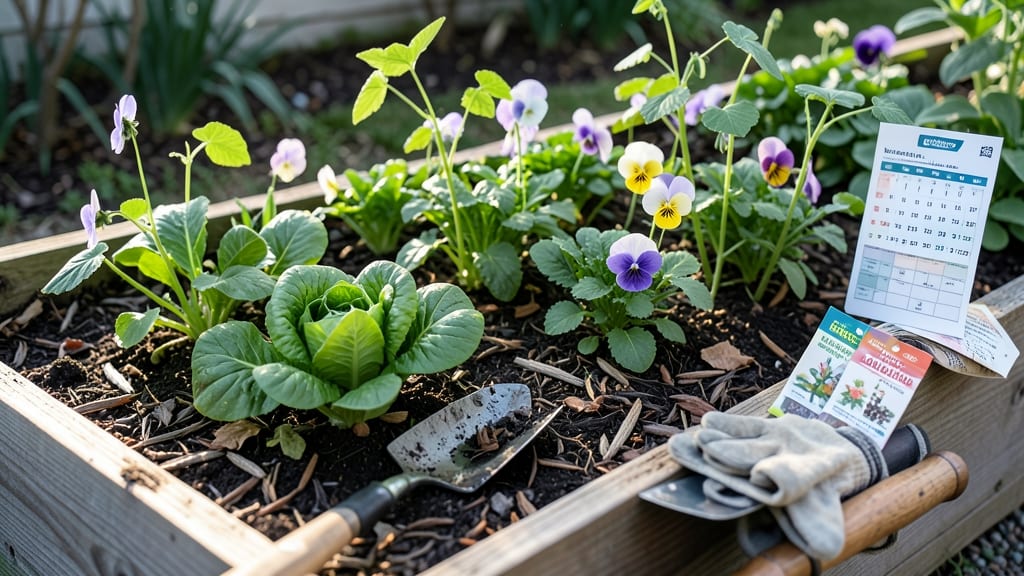
Planting your garden in Connecticut at the right time means the difference between a bumper crop and a sad, wilted disappointment — and getting the timing wrong can cost you weeks of growth.
Connecticut’s unpredictable spring weather can make timing your garden planting a high-stakes guessing game—but getting it wrong means wasted seeds and stunted growth.
Whether you’re planting General Garden Plants 🌱 like tomatoes, peppers, or perennials, the key is knowing when to start seeds indoors and when to put them in the ground.
With frost-free dates ranging from mid-April in the south to early May in the north, CT’s 6a-6b zones demand precision. Cool-season crops like spinach and kale can handle early spring plantings, while warm-season favorites like pumpkins and peppers need to wait until after the last frost.
In this guide, I’ll break down the exact planting windows for every type of General Garden Plants, share my foolproof schedule for starting seeds indoors, and reveal the one trick that saves struggling gardens from late frosts.
CT frost-free dates by region: when to plant cool vs warm-season vegetables
Connecticut’s three distinct climate zones—coastal, inland, and northern—create wildly different frost-free dates, sometimes just 10-14 days apart. Getting your planting timeline wrong can mean the difference between a bountiful harvest and wasted seeds.
The key is knowing your last average frost date and adjusting for microclimates like urban heat islands or sheltered valleys.
Coastal areas like New London or Groton typically see their last frost around April 10-15, while inland regions near Hartford or Middletown average April 20-25. Northern CT—think Waterbury or Torrington—often waits until May 1-5.
These dates shift slightly yearly, so I always check the National Weather Service’s 30-year averages for my specific town.
Cool-season crops like spinach, kale, and peas thrive when planted 4-6 weeks before your last frost date. For coastal CT, that means mid-March, while inland gardeners should wait until late March to early April. Warm-season plants like tomatoes, peppers, and basil need soil temps above 55°F, so I hold off until 2-3 weeks after the last frost—usually mid-May for coastal and early June inland.
| Region | Last Avg. Frost | Cool-Season Planting Window | Warm-Season Planting Window | Key Crops |
|---|---|---|---|---|
| Coastal (e.g., New London) | April 10-15 | Mid-March to April 1 | Mid-May to early June | Spinach, kale, peas, tomatoes, peppers |
| Inland (e.g., Hartford) | April 20-25 | Late March to April 10 | Early to mid-June | Lettuce, broccoli, cucumbers, basil, eggplant |
| Northern (e.g., Waterbury) | May 1-5 | Late March to April 15 | Late May to June | Arugula, radishes, beans, squash, peppers |
*Dates based on 30-year averages; always monitor local forecasts for adjustments.
For cool-season crops, I prioritize hardy varieties like ‘Winterbor’ kale or ‘Bloomsdale Long Standing’ spinach, which tolerate light frosts. These can even be direct-sown in early March under row covers for a jumpstart.
My go-to trick? Plant a succession crop of radishes or lettuce every 2 weeks after the initial planting to extend harvests.
Warm-season plants are trickier because soil temperature matters more than air temperature. I use a soil thermometer to confirm 55°F+ before planting tomatoes or peppers.
Inland CT gardeners often face late spring frosts, so I opt for heat-tolerant varieties like ‘Celebrity’ tomatoes or ‘Jalapeño M’ peppers, which handle 90°F+ heat better than standard types.
One common mistake? Planting warm-season crops too early and having them bolted by heat or wilted by frost. I’ve learned to start seeds indoors by late February for coastal zones and early March inland, then harden off seedlings before transplanting.
For peppers and eggplants, which need 80°F+ soil, I wait until mid-June in northern CT to avoid disappointment.
Pro tip: Use frost clocks or apps like Old Farmer’s Almanac to track historical frost data for your exact location. I also mark my garden calendar with color-coded stickers for each zone’s planting windows—it’s a visual reminder that saves me from last-minute panic.
Don’t forget to mulch heavily in late summer to protect fall crops from early frosts!
If you’re in USDA Zone 6a-6b like most of CT, aim to plant cool-season crops by mid-April and warm-season crops by early June. But always be ready to cover
Best planting schedule for Connecticut gardens: month-by-month calendar
Timing your garden in Connecticut means working with short seasons and unpredictable frosts. Whether you're growing heat-loving tomatoes or cool-season kale, knowing the right monthly deadlines can mean the difference between a bountiful harvest and wasted seeds.
My month-by-month calendar breaks down everything you need to plant, transplant, and succession sow for a thriving CT garden.
Connecticut’s USDA zones 6a-6b give us about 165 frost-free days, but coastal areas enjoy slightly longer seasons than inland regions. I’ve included critical dates for both cool-season crops (plant before April 15) and warm-season crops (wait until after May 10). Don’t miss these key windows to maximize your harvest!
Start cool-season seeds indoors (spinach, lettuce, broccoli) and harden off perennials like asparagus and rhubarb. Plan your warm-season garden layout for May planting.
Direct sow peas, radishes, and onions as soon as soil is workable. Transplant bare-root fruit trees and strawberries. Cover early plantings with frost cloth to protect from late frosts.
Plant cool-season crops like kale, carrots, and cabbage. Start warm-season seeds indoors (tomatoes, peppers, eggplants). Mulch perennials to retain moisture.
Transplant tomatoes, peppers, and cucumbers after May 10. Direct sow beans, corn, and squash. Begin succession planting of lettuce every 2 weeks for continuous harvests.
Direct sow fall crops like spinach and kale for late-season harvests. Thin crowded seedlings (e.g., carrots, beets). Watch for pests like cucumber beetles and treat organically.
Plant cool-season crops (broccoli, Brussels sprouts) for fall harvests. Transplant garlic for next year’s crop. Extend the season with row covers or cold frames.
Harvest remaining crops before first frost (mid-October). Plant winter garlic and cover perennials with mulch. Clean up garden beds to prevent pests.
For herbs like basil and cilantro, I recommend planting in early May to avoid bolting in CT’s summer heat. Succession planting every 2 weeks for lettuce and radishes ensures you never run out of fresh greens. Don’t forget to rotate crops annually to prevent soil depletion and disease buildup.
Pro tip: Use row covers to extend the season for heat-sensitive crops like spinach in early spring or late fall. This simple trick can add 2-3 extra weeks of growing time! 🌱