
Light Requirements
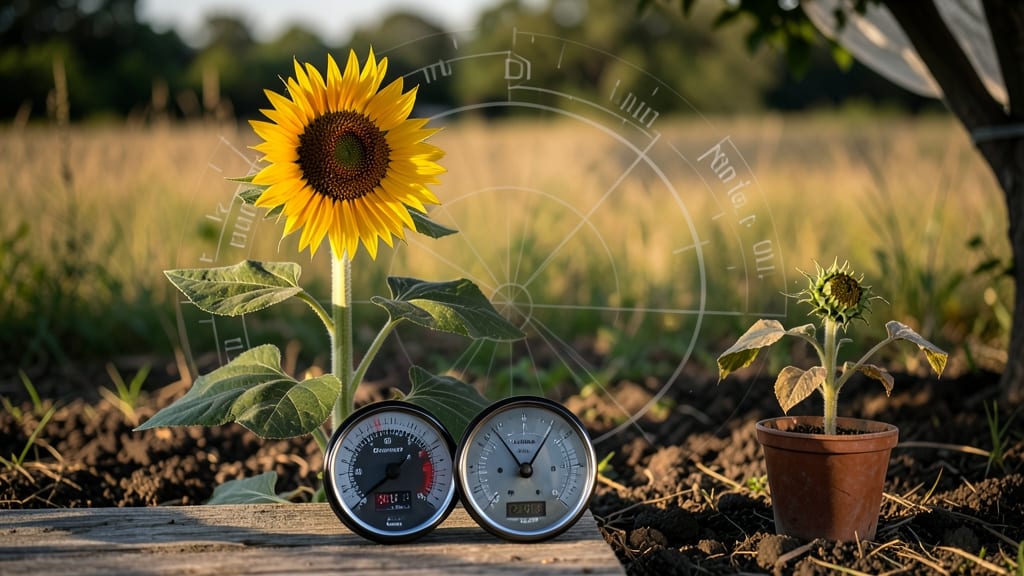
Your garden needs 6 to 8 hours of sunlight daily to thrive, but the exact amount depends on what you’re growing—too much or too little can stunt growth or even kill plants.
Picture this: your tomatoes are sprawling but producing tiny, tasteless fruit, while your ferns are crisping at the edges. That’s your garden screaming for the right balance of light. Most vegetables and flowers crave full sun, but shade-loving plants like hostas or impatiens will bolt if over-exposed.
Here’s the game-changer: measuring sunlight isn’t just about hours—it’s about quality. Morning sun is gentler than afternoon heat, and seasonal shifts mean what works in June might fail in December.
I’ll break down how to assess your garden’s light, adjust for your zone, and match plants to their perfect spot.
By the end, you’ll know exactly where to place every plant for maximum yield and health, whether you’re dealing with a sun-drenched border or a shady corner that refuses to cooperate.


Sunlight requirements by plant type: full sun vs. partial shade vs. low light
Understanding how many hours of sunlight your garden needs is the first step to creating a thriving outdoor space. Full sun plants crave 6+ hours of direct sunlight daily, while partial shade varieties thrive with 3-6 hours.
Meanwhile, low-light plants survive with less than 3 hours of indirect light. Matching plants to their ideal sunlight exposure prevents common issues like stunted growth or leaf scorch.
Not all gardens receive sunlight equally. South-facing beds often get the most light, while north-facing areas may remain shady. Even within your yard, microclimates create variations—trees, buildings, and slopes all affect sunlight distribution. Before planting, observe your space for 3-4 weeks to map sunlight patterns accurately.
Here’s a quick reference for common garden staples and their sunlight needs:
| Plant Type | Sunlight Needs | Examples | Best For |
|---|---|---|---|
| Full Sun | 6+ hours direct light | Tomatoes, Peppers, Lavender, Succulents, Marigolds | Vegetable gardens, borders, containers |
| Partial Shade | 3-6 hours light (morning sun preferred) | Hostas, Ferns, Astilbe, Coleus, Impatiens | Woodland gardens, under trees, shaded patios |
| Low Light | Less than 3 hours indirect light | Snake Plants, ZZ Plants, Pothos, Peace Lilies, Calatheas | Indoor spaces, north-facing windows, deep shade |
Vegetables like tomatoes and peppers demand full sun to produce abundant fruit, while leafy greens such as lettuce tolerate partial shade. Herbs like basil thrive in 6+ hours of light but may bolt in extreme heat.
Always check seed packets or plant tags for specific guidance—some varieties are bred for heat tolerance or shade adaptation.
Seasonal changes also impact sunlight exposure. In summer, days are longer, but afternoon shade can protect delicate plants from heat stress. Conversely, winter’s shorter days may require supplemental grow lights for indoor plants.
Rotate containers or move potted plants to follow the sun’s arc across your yard for consistent growth.
For container gardens, mobility is key. Place pots in morning sun and move them to shade by afternoon to prevent wilting. Succulents and cacti love full sun but can scorch in intense afternoon heat—use light-colored containers to reflect excess heat.
Group plants with similar sunlight needs together to simplify care and maximize space.
Even perennial flowers like coneflowers and black-eyed Susans need full sun to rebloom yearly, while shade-loving perennials such as heuchera and bleeding heart thrive in dappled light.
Test your garden’s sunlight with a DIY sunlight meter—simply place a white board in different spots and mark shadows every hour to track exposure patterns.
If your garden has limited sunlight, opt for low-light houseplants or shade-tolerant vegetables like kale or spinach. For brightening dark corners, try reflective surfaces like mirrors or light-colored mulch to amplify natural light.
With the right plant placement, even shady spots can become lush, vibrant areas of your garden.
Remember: Overestimating sunlight is a common mistake—what seems like full sun in spring may turn into partial shade by summer due to tree growth. Underestimating shade can lead to leggy, weak plants. Always err on the side of caution and choose plants that match your garden’s actual light conditions.
How to measure sunlight in your garden and adjust for seasonal changes
Measuring sunlight in your garden isn't just about guessing—it's about giving your plants the perfect light conditions they need to thrive. Many gardeners overestimate shade or ignore seasonal shifts, leading to underperforming plants.
For example, a south-facing bed might get 8 hours of sun in summer but only 4 in winter. Let’s fix that with practical tools and adjustments.
Start by using a sunlight calculator or a simple DIY method: place a white board or card in your garden for 24 hours and mark the sunlit areas. Repeat this in different seasons to track changes.
I’ve found that my morning sun spots shift dramatically between spring and fall, so I adjust my tomato plants accordingly each year.
⚠️ WARNING: Don’t Assume Shade is Consistent! Many gardeners mistakenly think a shady corner stays that way year-round, but trees, buildings, and even your own height can cast moving shadows.
For instance, a 6-foot shrub might block 3 hours of sun in summer but only 1 hour in winter when it’s leafless. Always measure during the shortest day of the year (around the winter solstice) to avoid surprises.
Overestimating shade can kill sun-loving plants like peppers or lavender. A spot labeled "partial shade" might actually get only 2 hours of sun—far less than the 3–6 hours these plants need. Use a sunlight meter or app for accuracy!
Adjust for seasonal changes by rotating plants or using reflective surfaces. For example, place white gravel or a mirror near shade-loving plants to bounce extra light their way.
In my Zone 6a garden, I move hostas and ferns to sunnier spots in winter when days shorten, while relocating succulents and rosemary to partial shade in summer to prevent leaf scorch.
Don’t forget about microclimates—small areas with unique light conditions. A north-facing wall might stay cooler and shadier, while a south-facing slope gets intense afternoon sun. Test these zones separately and group plants with similar light tolerances together.
For instance, pair coleus and impatiens in shadier microclimates and marigolds and zinnias in full sun.
Finally, use shade cloth or grow lights to fine-tune exposure. If your herbs like basil are getting too much sun, drape 30% shade cloth over them. For indoor gardens, supplement with LED grow lights for 12–14 hours daily.
I’ve seen 3x faster growth in my indoor lettuce after adding a simple clip-on light.
With these adjustments, your garden will stay balanced and productive year-round—no more guesswork, just thriving plants! 🌱☀️