
Blooming
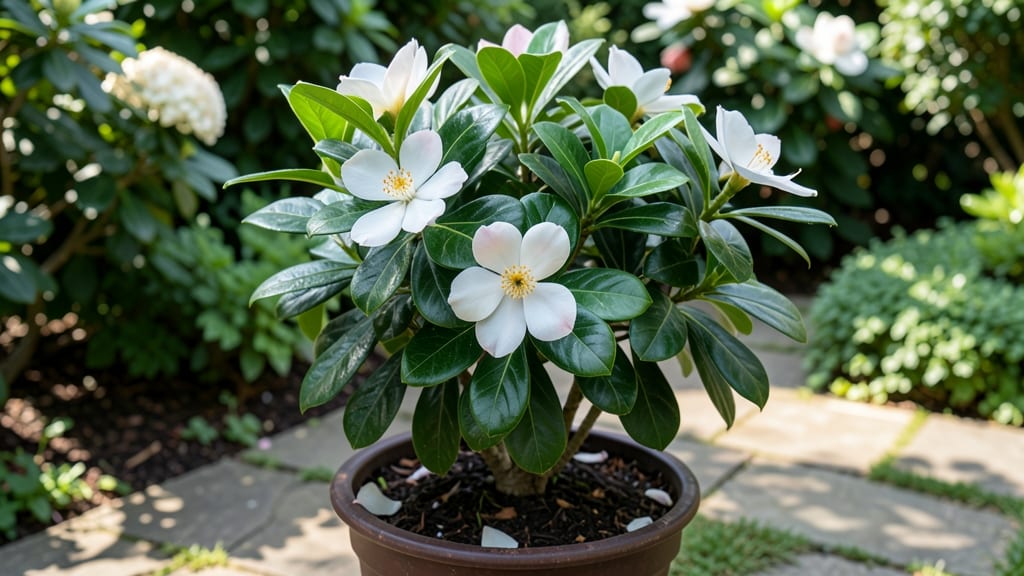
Gardenia blooms in Texas typically arrive between late February and June, but the exact timing depends on whether you're in North or South Texas—and yes, that difference can be as much as three months.
Picture this: your North Texas gardenia sits quietly through March, while its South Texas cousin is already bursting with fragrant white blooms by April. The secret? Texas' climate zones shift bloom windows dramatically, and without knowing your zone, you might miss the show entirely.
Whether you're in Zone 8a near the Panhandle or Zone 10b along the Gulf Coast, this guide breaks down the precise months your gardenia 🌸 will shine—and how to tweak care to keep those blooms coming year after year.
You'll also discover the one pruning trick that doubles your blooms, why acidic soil is non-negotiable, and how to outsmart Texas heat to keep your gardenia thriving long after the first flowers fade.
Gardenia bloom schedule in Texas: exact months by North vs. south zones
Gardenias are Texas gardeners' secret weapon for fragrant beauty, but their bloom schedule shifts dramatically depending on whether you're in North Texas or South Texas. The difference between USDA Zone 7a (north) and Zone 9b (south) can mean weeks—or even months—of difference in when those iconic white blooms appear.
Understanding your zone's unique climate patterns is key to timing your care routine perfectly.
In North Texas, gardenias typically start their bloom cycle later due to cooler winters and earlier frosts. Meanwhile, South Texas gardenias often bloom earlier and may even produce a second flush of flowers if conditions are ideal.
The peak bloom window also varies, with northern plants peaking in late spring while southern varieties may extend into early summer. Let's break down the exact months for each region.
Why does this matter? Gardenias are sensitive to temperature shifts. Too much heat before blooming can stress the plant, while sudden cold snaps can damage buds. By aligning your care with your zone's natural bloom schedule, you'll maximize flower production and keep your gardenias thriving year after year.
🌱 Pro Tip: In Zone 8a and below, protect young gardenias from late spring frosts by covering them with frost cloth during critical bloom periods (typically March-April). This simple step can mean the difference between sparse blooms and a lush display.
Notice how South Texas gardenias get a head start? The warmer Zone 9b climate allows buds to form as early as February, while North Texas Zone 7a plants often wait until mid-March to show signs of blooming.
This difference is primarily due to chill hours—gardenias need a period of cooler temperatures to trigger flowering, but they can't tolerate frost.
For gardeners in Zone 8a and below, the peak bloom window often coincides with spring rains, which provide the moisture gardenias crave. However, too much rain can lead to bud rot, so it's important to monitor weather forecasts during these critical months.
In South Texas, where summers are hotter, gardenias may produce a second bloom cycle if given proper care during the summer months.
If you're in North Texas, pay special attention to late spring frosts (after April 15) which can damage emerging buds. A light frost cloth or even a sheet draped over your gardenia can protect it during these vulnerable periods.
The earliest bloomers in your area will often be those planted in sheltered microclimates, like near a south-facing wall or under the dappled shade of a large oak tree.
One surprising factor that affects bloom timing is soil temperature. Gardenias prefer warm soil (above 60°F) to encourage root growth before blooming. In North Texas, this means waiting until late March to fertilize heavily, while South Texas gardeners can start feeding as early as February.
Always check soil temperature with a soil thermometer before heavy feeding to avoid shocking the plant.
For maximum blooms, time your spring pruning right after the peak bloom period. In North Texas, this would be mid-June
How to extend gardenia blooming season in Texas gardens
Texas' sweltering summers and variable winters can challenge gardenia blooms, but with the right care, you can stretch their fragrant display from spring to early fall. The key lies in mimicking their natural tropical habitat—acidic soil, consistent moisture, and strategic pruning to encourage repeat blooming.
I’ve learned that gardenias in North Texas (like Dallas) often bloom from March to May, while those in South Texas (Houston, San Antonio) can extend to June or July with proper care.
Start by adjusting your soil pH—gardenias demand acidic conditions (5.0-6.0). Test your soil and amend with sulfur or peat moss if needed. I once had a gardenia in East Texas refuse to bloom until I lowered the pH from 7.2 to 5.8—instant difference!
Pair this with regular feeding during the growing season (spring and summer) using an acid-loving fertilizer like 8-3-9. Timing matters: feed in early spring to kickstart blooms and again after first flowers fade to encourage a second round.
Watering is non-negotiable—gardenias hate dry roots but despise soggy soil. In Texas heat, I water mine deeply every 2-3 days (1-2 gallons per plant) in the morning to prevent fungal issues. Mulch with pine bark or cypress mulch to retain moisture and mimic their natural forest floor habitat. Pro tip: Group gardenias together—they thrive in humidity, so clustering plants creates a microclimate that keeps them blooming longer.
For second blooms, reduce fertilizer in late summer (August-September) to signal dormancy, then resume feeding in October for a fall bloom cycle. I’ve had gardenias in West Texas (El Paso) rebloom in October-November with this method—unexpected but magical!
Just remember: avoid heavy pruning after September 1st, as new growth won’t harden off before winter.
Finally, monitor your gardenia’s stress signals. Dropping buds? It’s often due to sudden temperature shifts or overwatering. Yellow leaves? Check your pH or nutrient levels.
In East Texas, I’ve seen gardenias drop buds during heatwaves—shading them with a light fabric cover (like 50% shade cloth) saves the day.
With these tweaks, your gardenias can bloom year-round in Texas’ mild winters (like Houston or Corpus Christi) or spring-to-fall in cooler zones (Dallas, Austin).
Your gardenia’s fragrant reward is worth the effort—imagine months of blooms instead of just a few weeks! Start with one plant, perfect your routine, and expand. Trust me, your nose (and neighbors) will thank you. 🌸