
Planting
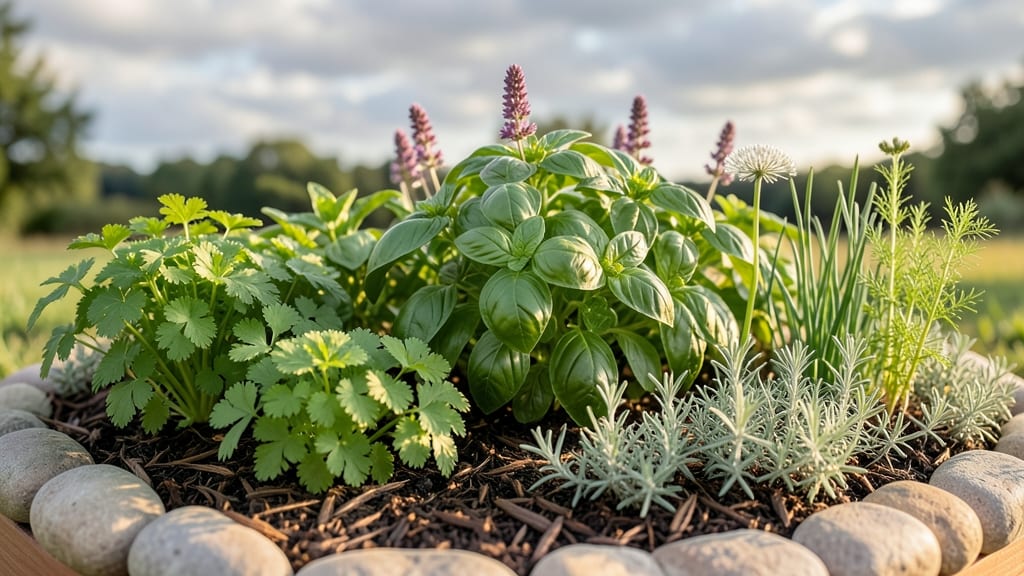
Planting herbs in the garden is one of the fastest ways to turn your kitchen into a flavor powerhouse—no green thumb required.
Imagine stepping into your kitchen and plucking fresh basil for your pasta or mint for your tea—straight from your garden. Growing herbs isn’t just rewarding; it’s a game-changer for home cooks and wellness enthusiasts alike.
These hardy plants thrive with minimal fuss, needing just 6-8 hours of sunlight and well-draining soil to flourish. Whether you have a sprawling yard or a tiny balcony, the right herbs can fit seamlessly into your space.
In this guide, I’ll walk you through the top fast-growing herbs, their ideal conditions, and how to keep them productive all season long—so you can harvest like a pro.


Top 10 fast-growing herbs for year-round harvests and their growing conditions
If you're dreaming of a thriving herb garden that delivers fresh flavors all year, you're in the right place. The key lies in selecting fast-growing herbs that thrive in your climate and care routine.
These top 10 picks will give you year-round harvests with minimal effort once established—perfect for both beginners and seasoned gardeners.
I've grown these herbs myself, and they consistently deliver quick regrowth and robust flavors. Whether you have a sunny windowsill or a spacious backyard, these herbs adapt beautifully. Let's dive into their ideal growing conditions so you can plan your garden like a pro.
Below is a quick-reference guide to help you visualize how each herb fits into your garden. From sunlight needs to spacing requirements, this table covers everything you need to know at a glance.
Let's start with basil, my go-to herb for summer cooking. This fast-growing annual loves full sun exposure (6-8 hours daily) and thrives in well-draining, nutrient-rich soil. I've found that planting basil in containers works best for me—
How to maximize herb growth: soil, watering, and maintenance tips
Your herbs can thrive like never before when you focus on three key elements: soil quality, watering consistency, and regular maintenance. I’ve learned that even the hardiest herbs like rosemary and thyme need the right conditions to flourish.
Let’s break down how to give your herb garden the perfect foundation.
Start with well-draining soil rich in organic matter like compost or aged manure. Herbs hate soggy roots, so amending clay soil with perlite or sand can make all the difference. I mix in a 2-3 inch layer of compost before planting to ensure nutrients are available throughout the growing season.
⚠️ callout warning ⚠️
⚠️ Warning: Overwatering vs. Underwatering
Herbs are sensitive to moisture extremes. Overwatering causes root rot, while underwatering stresses plants. Water deeply but infrequently—aim for 1 inch per week in dry climates. Check soil moisture by sticking your finger 1 inch deep; if dry, it’s time to water.
Watering is where many gardeners go wrong. I’ve found that morning watering is ideal because it allows foliage to dry before evening, reducing fungal risks.
For container herbs like basil, I water when the top inch of soil feels dry, while larger plants like rosemary can handle slightly longer dry spells between waterings.
Regular pruning keeps herbs productive and prevents woody stems. Pinch back the tips of basil and cilantro to encourage bushier growth, and harvest leaves from the bottom up to stimulate new foliage. I prune my mint aggressively to control its spread—it’s invasive and will take over if left unchecked!
Pest control starts with prevention. I use neem oil on aphids and row covers for young seedlings. Companion planting also helps—pair basil with tomatoes to repel pests, or grow marigolds nearby** to deter nematodes. A healthy herb garden is less appealing to pests, so focus on strong, vibrant plants first.
Finally, don’t forget to fertilize lightly during the growing season. A balanced organic fertilizer (like 5-5-5) applied every 4-6 weeks keeps herbs lush without encouraging excessive leafy growth at the expense of flavor. I skip fertilizing in late summer to let plants harden off before fall.
With these soil, watering, and maintenance tips, your herb garden will be thriving in no time—ready for year-round harvests! 🌿