
Tools
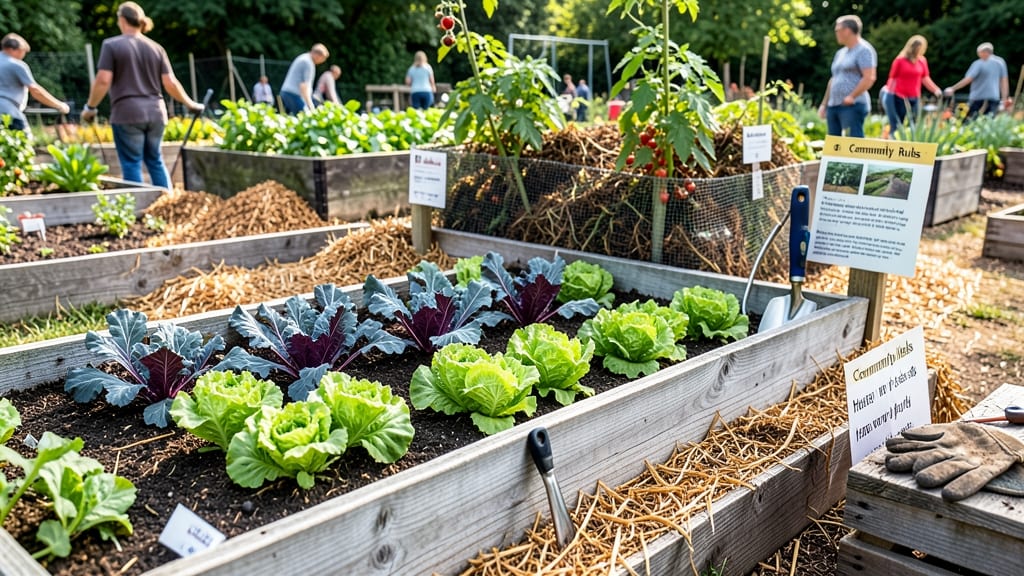
The Hayward Community Garden organizes its planting schedule according to USDA Zone 9b guidelines, where spring vegetables like leafy greens and tomatoes should be planted by mid-February, warm-season crops such as peppers and cucumbers by late March, and cool-season fall crops like kale and carrots by mid-August. Always verify the garden's seasonal calendar for crop-specific details and soil preparation needs.
The garden's planting timeline reflects Hayward's mild winters and warm summers, which create ideal conditions for year-round growing. 🌱 Unlike colder zones, Zone 9b allows for extended growing seasons, but timing still matters—planting too early can expose delicate crops to unexpected chills, while late planting may reduce harvest yields.
I recommend checking the garden's shared resources for soil amendments specific to each crop type, as well as companion planting charts to maximize space and minimize pests.
For example, tomatoes thrive with basil nearby, while peppers benefit from marigolds. The garden's calendar also accounts for local rainfall patterns, which can sometimes delay outdoor prep work.
Pro tip: mark your calendar for the weekly community workdays—they're the best time to ask experienced gardeners about adjusting deadlines for your specific plot.
💡 In This Article
- Understanding Hayward’s USDA Zone 9b Planting Timeline
- Step-by-Step Guide to Hayward Community Garden Planting
Understanding Hayward’s USDA Zone 9b planting timeline
Hayward’s classification as USDA Zone 9b means its 10-14°F average winter minimum creates a unique growing window.
Unlike colder zones, Zone 9b’s mild winters allow spring crops like lettuce and spinach to start as early as mid-February, while summer vegetables like peppers and eggplants can handle late March planting without frost risk.
The key difference lies in heat tolerance: cool-season crops (e.g., broccoli) need to avoid 80°F+ soil temps, while warm-season crops (e.g., tomatoes) thrive in 70-85°F ranges. 🌡️
This zone’s extended growing season also means fall crops like kale and carrots can be planted as late as mid-August, with harvests extending into November. The garden’s calendar accounts for Hayward’s 30-40 inches annual rainfall, which can create temporary waterlogging—especially in low-lying plots.
Microclimates within the garden (like sun-exposed raised beds vs. shaded corners) may shift ideal planting windows by 1-2 weeks for heat-sensitive crops.
What most gardeners overlook is how soil temperature dictates planting success. For example, tomato seeds won’t germinate below 60°F soil temps, which is why the garden’s calendar specifies late March for transplanting—even if daytime air temps feel warmer.
The garden’s shared resources include soil thermometer readings from previous years to help adjust timing based on current conditions.
Companion planting also plays a role in these deadlines. For instance, basil planted alongside tomatoes in late March not only enhances flavor but also helps deter pests that might otherwise reduce yields.
The garden’s calendar groups crops by their ideal planting companions, which can effectively extend or compress your planting window by 10-14 days depending on what you’re growing nearby.
Consider these crop-specific factors when planning:
- Spring crops (Feb-March): Lettuce needs 45-60 days to maturity; plant in cooler microclimates first
- Summer crops (March-April): Peppers require 70+°F soil temps—wait for consistent daytime highs above 75°F
- Fall crops (August-Sept): Carrots planted in August will be ready by November, avoiding winter rains that can rot roots
The garden’s most experienced members recommend testing soil moisture weekly during planting season—dry spells can delay germination by 3-5 days for seeds. This is why the shared calendar includes both planting deadlines AND backup dates for each crop type. 💧