
Flowers
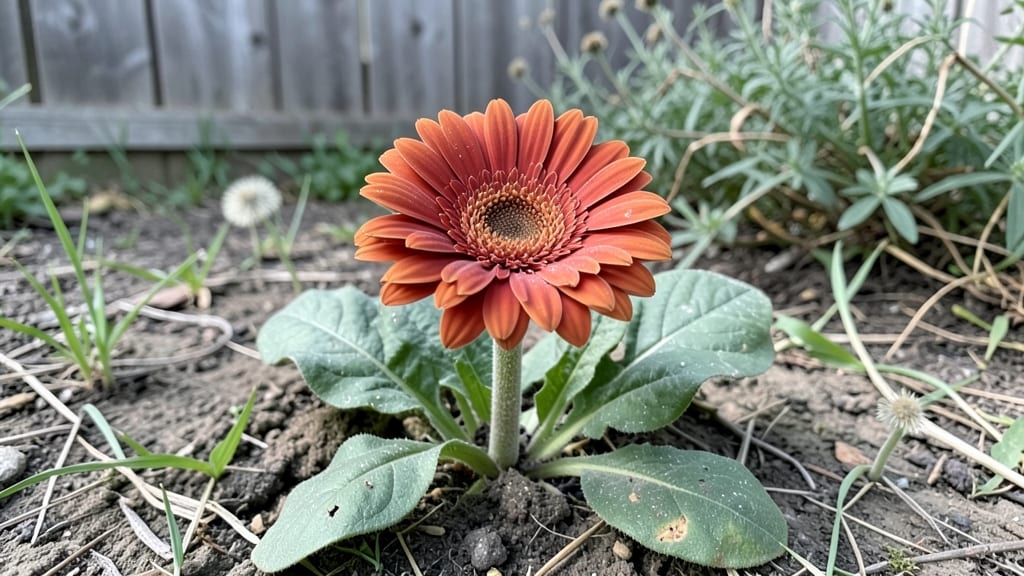
Growing gerbera garden plants 🌼 is the easiest way to add bold, cheerful color to your yard with almost no effort—these sun-loving flowers keep blooming all season long.
Picture this: you plant a few gerbera daisies in spring, water them once a week, and suddenly your garden bursts into vibrant reds, oranges, and yellows that last from summer through fall. No fussy deadheading, no constant pruning—just stunning blooms that attract pollinators and brighten up any space.
What makes them so special? Gerbera daisies thrive in Zone 6a and beyond, handling both containers and garden beds with equal ease. Whether you're a beginner gardener or a seasoned pro, these plants deliver year-round beauty with minimal care—once you know the simple tricks to keep them happy.
In this guide, I’ll walk you through everything you need: from the perfect planting window in April-May to the sunlight and watering secrets that keep them flowering nonstop. Ready to transform your garden with low-maintenance color?
How to grow gerbera daisies for continuous year-round blooms
Gerbera daisies are my go-to for vibrant, long-lasting color that brightens any garden space. With the right care, these sun-loving plants can bloom continuously, even through winter with proper adjustments. The secret lies in mimicking their natural habitat—well-draining soil, consistent moisture, and plenty of sunlight.
Whether you're growing them outdoors in garden beds or indoors near sunny windows, these steps will keep your gerberas thriving all year.
Before diving into care routines, let’s set the stage. Gerberas prefer warm temperatures between 60°F and 75°F and 6+ hours of direct sunlight daily. They’re not frost-tolerant, so if you’re in colder climates, you’ll need to bring potted plants indoors before the first frost.
The good news? With a few simple adjustments, you can enjoy their cheerful blooms year-round without the fuss.
Step-by-Step Guide to Year-Round Gerbera Care
-
Step 1: Choose the Right Location
Select a spot with full sun exposure (6+ hours daily). For indoor growth, place near a south-facing window or use grow lights for 12-14 hours/day.
-
Step 2: Prepare Well-Draining Soil
Mix potting soil with perlite or sand (20% perlite) to prevent root rot. For garden beds, amend soil with compost and ensure it drains well.
-
Step 3: Plant at the Right Depth
Dig a hole twice as wide as the root ball but only as deep as the container. Gently remove the plant and place it so the top of the root ball sits just below soil level.
-
Step 4: Water Consistently (But Not Too Much)
Water deeply every 3-5 days in summer, reducing to every 5-7 days in fall/winter. Always water at soil level to avoid wetting leaves, which can cause disease.
-
Step 5: Feed for Continuous Blooms
Use a balanced fertilizer (5-10-10) every 4-6 weeks during growing season (spring-fall). In winter, reduce to monthly light feeding or skip entirely for indoor plants.
-
Step 6: Deadhead and Prune Regularly
Remove spent blooms weekly to encourage new growth. Trim yellow or leggy leaves to redirect energy to flowering. Prune back by 1/3 after each major bloom cycle.
-
Step 7: Adjust for Seasonal Changes
In winter, move potted plants indoors to a cool, bright spot (50-60°F). Reduce watering to bi-weekly and avoid fertilizing. In summer, mulch outdoor plants to retain moisture.
-
Step 8: Monitor for Pests and Diseases
Check leaves for aphids or spider mites weekly. Treat with neem oil or insecticidal soap if needed. Ensure good airflow to prevent powdery mildew.
One of the biggest mistakes I see is overwatering gerberas, which leads to root rot and stunted growth. These plants prefer moderate moisture—think of them like a thirsty friend who’d rather sip water than gulp it.
Always check the top inch of soil before watering; if it’s dry, it’s time to hydrate. For indoor plants, use a well-draining pot with drainage holes to prevent soggy roots.
For year-round blooms, I recommend rotating your gerberas every few weeks if growing indoors. This ensures all sides get equal sun exposure, preventing lopsided growth. If you notice buds forming but not opening, it’s often a sign of low light or temperature fluctuations.
Adjust their location to a warmer, sunnier spot, and you’ll see those blooms pop open in no time.
In colder months, gerberas can go semi-dormant, which is normal. During this time, reduce watering and stop fertilizing. If you’re growing them outdoors in Zone 6 or colder, dig up potted plants before frost and store them in a cool, dark basement until spring.
For garden beds, mulch heavily to insulate roots and protect against freezing temperatures.
To maximize blooms, I’ve found that regular deadheading is non-negotiable. When you remove spent flowers, you’re telling the plant, “Keep making more!” This simple habit can double your flowering cycles throughout the season.
Pair it with a monthly feeding schedule, and you’ll have gerberas bursting with color from spring to winter.
Pro tip: If your gerberas start looking leggy or sparse, it’s time for a light trim. Cut back the stems by about one-third to encourage bushier growth and more blooms. This works especially well in early spring when plants are waking up from dormancy.
With these steps, your gerbera garden plants will reward you with continuous, vibrant blooms that turn heads all year long. The key is consistency—sunlight, water, and love—and soon, your garden will be the envy of the neighborhood.
Gerbera daisy varieties perfect for different garden settings
Choosing the right gerbera daisy variety can transform your garden into a vibrant, long-blooming paradise. Whether you want container-friendly plants for patios or border varieties for full sun beds, each type offers unique color ranges and growth habits.
I’ve tested these top varieties to help you pick the perfect fit for your space and style.
For cut-flower arrangements, taller varieties like 'Mammoth' deliver dramatic blooms, while 'Terry' types add texture with their layered petals. Smaller varieties like 'Orange Princess' shine in containers or window boxes. Let’s explore which gerbera suits your garden’s needs best.
If you love container gardening, 'Orange Princess' and 'Pompon' are my top picks—their compact size makes them perfect for patio pots or hanging baskets. These varieties also attract pollinators like bees and butterflies, adding life to your space.
For border plantings, 'Mammoth' and 'Terry' varieties create stunning visual impact. Place them where they’ll receive 6+ hours of sunlight daily—they’ll reward you with continuous blooms from summer through fall. Mix colors for a rainbow effect!
Pro tip: Deadhead spent blooms regularly to encourage longer flowering cycles. I’ve found this works especially well with 'Double Delight', which loves being cut for arrangements but keeps producing new buds.
Don’t overlook color coordination when planning your garden. Pair orange gerberas with purple salvias or red impatiens for a bold contrast. The terry varieties also pair beautifully with smooth petaled flowers like zinnias.